Our Picks at a Glance
- 1
 Check Price →
 - 2
 Check Price →
 - 3
 Check Price →
Best Rotation Partner
Head & Shoulders Clinical Strength Dry Scalp Rescue Shampoo, 1% Selenium Sulfide (Twin Pack) - 4
 Check Price →
Best Zinc Pyrithione Option
DHS Zinc Shampoo, 2% Pyrithione Formula (16 oz) - 5
 Check Price →
Best Budget Pick
Selsun Blue Medicated Anti-Dandruff Shampoo with Menthol, Maximum Strength 1% Selenium Sulfide (2 x 11 fl oz) - 6
 Check Price →
Best for Scalp Build-Up
Neutrogena T/Sal 3% Salicylic Acid Anti-Dandruff Shampoo (8 fl oz) - 7
 Check Price →
Best Gentle Off-Day Shampoo
Vanicream Shampoo for Sensitive Skin (12 fl oz)
The Short Version
- Nizoral 1% is the established over-the-counter ketoconazole shampoo in the US; the 2% strength requires a prescription.
- Ketoconazole reliably treats dandruff and seborrheic dermatitis. Its hair loss benefit rests on small studies, mostly of the 2% strength, so treat it as an add-on, not a standalone treatment.
- Use it two to three times a week and leave the lather on for several minutes; daily use mostly adds dryness.
- Rotating with selenium sulfide or zinc pyrithione can help stubborn dandruff, and a gentle shampoo on off days keeps the scalp comfortable.
- If 1% Nizoral does not control your flaking after several weeks, ask a doctor about 2% ketoconazole or other prescription options.
On This Page · 12 sections
The best ketoconazole shampoo for most people is also the easiest to find: Nizoral, the 1% ketoconazole shampoo that has been sold over the counter for decades. Ketoconazole is an antifungal drug that controls the yeast behind dandruff and seborrheic dermatitis, and it has also earned a reputation in hair loss circles as a useful add-on to minoxidil and finasteride. The 2% strength used in most hair loss studies is prescription-only in the United States, so the over-the-counter decision really comes down to 1% Nizoral and how you use it.
That is why this guide looks a little different from a typical roundup. We did not pad it with unfamiliar sellers whose 1% ketoconazole claims we cannot verify. Instead, we ranked the Nizoral sizes worth buying, then the medicated shampoos that make the best rotation partners when ketoconazole alone is not enough for a flaky, itchy scalp, plus a gentle shampoo for the days in between. Rotating actives and protecting the scalp barrier is how dermatologists typically manage stubborn dandruff.
This page is specifically about ketoconazole for dandruff and as a hair loss add-on. If you are weighing shampoos marketed as DHT blockers, such as saw palmetto and caffeine formulas, see our guide to the best DHT blocker shampoo; for general everyday growth-focused shampoos, see the best hair growth shampoo. Every product below links to its exact Amazon listing, matched by ASIN, and we ranked them on the strength of the evidence behind each active, how well they are tolerated, and what they cost per wash.
What Ketoconazole Shampoo Does (and Does Not Do)
Ketoconazole is an azole antifungal. In a shampoo, its main job is to control Malassezia, a yeast that lives on everyone's scalp but can trigger dandruff and seborrheic dermatitis in people who react to it. Reducing that yeast reduces the flaking, itching and redness. This is the use ketoconazole shampoo is approved for, and it is well supported.
Its reputation in hair loss comes from a smaller body of research. Several small studies, most of them using the 2% prescription strength, have reported improvements in hair density or shedding in people with androgenetic alopecia. One proposed reason is that it calms scalp inflammation; another is that it may have mild anti-androgen effects on the skin. Neither has been firmly established.
ketoconazole is a promising add-on with limited evidence
The honest summary is that ketoconazole is a promising add-on with limited evidence. It is not approved for hair regrowth, it has not been tested in the kind of large trials that support minoxidil and finasteride, and no shampoo should be your only hair loss treatment.
Where it clearly earns its place is the overlap. Many people with thinning hair also have dandruff or seborrheic dermatitis, and an inflamed, flaky scalp is uncomfortable and can make minoxidil harder to tolerate. Treating that with ketoconazole is worthwhile whatever its effect on hair density turns out to be. It is also cheap and low-risk, which is why so many dermatologists are comfortable suggesting it as an extra.
1% vs. 2% Ketoconazole: OTC vs. Prescription
In the United States, ketoconazole shampoo comes in two strengths. The 1% strength, sold as Nizoral A-D, is available over the counter. The 2% strength requires a prescription and is sold as a generic. You will not find genuine 2% ketoconazole shampoo legitimately sold over the counter in the US, so be wary of listings that claim it.
For dandruff, 1% is effective for most people, and it is the sensible place to start. The 2% strength is usually reserved for more stubborn seborrheic dermatitis, or when a doctor wants a stronger antifungal effect.
For hair loss, the picture is less clear. Most of the small studies used 2%, which is why many hair loss forums recommend it. There is no good head-to-head evidence on whether 1% does the same job for hair, though both deliver the same antifungal and anti-inflammatory action at different strengths.
Our practical advice: use 1% Nizoral if you want ketoconazole mainly for dandruff or as a low-cost add-on. If you are already seeing a dermatologist about hair loss, ask whether 2% makes sense for you. Telehealth services that prescribe finasteride often offer 2% ketoconazole as well. Either way, the routine is the same: a few washes a week with several minutes of contact time.
| 1% Ketoconazole | 2% Ketoconazole | |
|---|---|---|
| US availability | Over the counter | Prescription only |
| Example | Nizoral A-D | Generic ketoconazole 2% |
| Dandruff | Effective for most | For stubborn cases |
| Hair loss research | Limited | Small studies |
| How to get it | Pharmacy shelf or Amazon | Doctor or telehealth |
The 7 Best Ketoconazole Shampoos and Rotation Partners
The top two picks contain 1% ketoconazole, the strength sold over the counter. The rest are the medicated and gentle shampoos that work best alongside it for dandruff that will not quit. They are ranked on evidence, tolerability and value.
Nizoral Anti-Dandruff Shampoo with 1% Ketoconazole, Fresh Scent (7 fl oz)
1% Ketoconazole Shampoo
Best for: Anyone starting ketoconazole for dandruff or as a hair loss add-on
- Active
- 1% ketoconazole
- Status
- OTC anti-dandruff
- Size
- 7 fl oz
- Use
- 2-3 times a week
Nizoral A-D is the reference over-the-counter ketoconazole shampoo, and the 7-ounce bottle is the right place to start. It contains 1% ketoconazole, an antifungal that targets Malassezia, the yeast that drives most dandruff and seborrheic dermatitis. For flaking and itch, its track record is long and well established.
Because it is used only two or three times a week, a 7-ounce bottle lasts a good while, and it lets you check how your hair and scalp respond before buying a larger size. Some people find ketoconazole leaves hair feeling dry or a little rough, especially longer or color-treated hair, and the label notes possible changes in hair texture. A conditioner on the lengths usually handles that.
For hair loss, think of it as a supporting player. It is not approved for hair regrowth, and the studies behind its reputation are small. But a calm, flake-free scalp is a better environment for minoxidil, and for many people Nizoral is worth adding for that reason alone. Skip it if you have a known sensitivity to azole antifungals.
What We Liked
- Proven antifungal active for dandruff and seborrheic dermatitis
- The established over-the-counter ketoconazole brand
- Smaller bottle lets you test tolerance before buying more
- Used only a few times a week, so a bottle lasts
What We Didn't
- Can leave hair dry or rough, especially longer hair
- Only 1% over the counter; most hair loss studies used 2%
- Costs more per ounce than the larger bottle
The Bottom Line
The ketoconazole shampoo to start with. Proven for dandruff and a sensible add-on to a hair loss routine.
Nizoral Anti-Dandruff Shampoo with 1% Ketoconazole, Peppermint Scent (14 oz)
1% Ketoconazole Shampoo
Best for: Regular users who already know ketoconazole suits them
- Active
- 1% ketoconazole
- Status
- OTC anti-dandruff
- Size
- 14 oz
- Scent
- Peppermint
Once you know Nizoral works for you, the 14-ounce bottle is the smarter buy. It contains the same 1% ketoconazole as the 7-ounce bottle, and at current listing prices it costs considerably less per ounce. This peppermint-scented version was also cheaper than the 14-ounce fresh-scent bottle when we compared listings.
The peppermint scent is the only real difference, and some people like the cooling feel on an itchy scalp. If you prefer the original fresh scent, Nizoral also sells it in a 14-ounce bottle; buy whichever is cheaper when you reorder, because the active ingredient and strength are identical.
The usual cautions apply. Ketoconazole can dry the hair, so use conditioner on the lengths, and stop if your scalp becomes red or irritated. If you are only treating a short flare of dandruff, the smaller bottle may be all you need. If you plan to keep ketoconazole in your routine long term as a hair loss add-on, though, this is the size that makes the habit cheapest to sustain.
What We Liked
- Lowest cost per ounce of the Nizoral sizes we compared
- Same 1% ketoconazole as the original
- Peppermint scent feels cooling on an itchy scalp
What We Didn't
- Bigger upfront purchase if you are not sure it suits you
- Can dry the hair like any ketoconazole shampoo
The Bottom Line
The same Nizoral for less per wash. Buy this size once you know ketoconazole works for you.
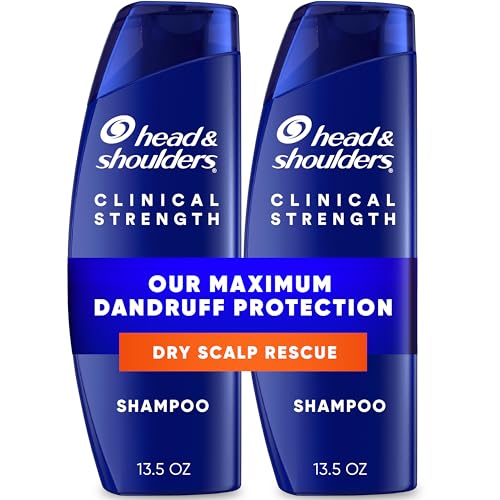
Head & Shoulders Clinical Strength Dry Scalp Rescue Shampoo, 1% Selenium Sulfide (Twin Pack)
1% Selenium Sulfide Shampoo
Best for: Stubborn dandruff or seborrheic dermatitis that ketoconazole alone does not clear
- Active
- 1% selenium sulfide
- Status
- OTC anti-dandruff
- Size
- 2 x 13.5 fl oz
- Labeled for
- Seborrheic dermatitis
This is not a ketoconazole shampoo, and that is the point. Selenium sulfide is a different antifungal active that also targets Malassezia, and alternating it with ketoconazole is a common way to manage dandruff that keeps coming back. Head & Shoulders Clinical Strength uses 1% selenium sulfide, and this Dry Scalp Rescue version is labeled for seborrheic dermatitis.
A simple rotation is Nizoral on one or two washes a week and this on another, with a gentle shampoo in between. It is also a reasonable fallback if you find ketoconazole too drying or simply do not respond to it.
Selenium sulfide has two quirks. It has a distinct smell that some people dislike, and it can discolor blond, gray or chemically treated hair if it is not rinsed out thoroughly. Skip it if you have very light or freshly colored hair and do not want the risk. For everyone else, the twin pack is good value, because on a rotation schedule you will only reach for it once or twice a week and it lasts for months.
What We Liked
- Different antifungal active, useful for rotating with ketoconazole
- Labeled for seborrheic dermatitis
- Twin pack lasts a long time on a rotation schedule
What We Didn't
- Not ketoconazole, so not a substitute for its hair loss role
- Can discolor light, gray or color-treated hair if not rinsed well
- Some users dislike the scent
The Bottom Line
The best partner for Nizoral when flakes keep coming back.
DHS Zinc Shampoo, 2% Pyrithione Formula (16 oz)
2% Zinc Pyrithione Shampoo
Best for: People who want a medicated shampoo gentle enough for frequent use
- Active
- 2% zinc pyrithione
- Status
- OTC anti-dandruff
- Size
- 16 oz
- Use
- Between ketoconazole washes
DHS Zinc is a no-frills medicated shampoo built around 2% zinc pyrithione, a higher concentration than many everyday anti-dandruff shampoos. Zinc pyrithione is another well-established dandruff active with antifungal and antibacterial activity, and it is generally gentle enough to use more often than ketoconazole.
That makes it a good fit for the days between Nizoral washes if your scalp tends to flake or itch quickly. It is a sensible step up from a regular cosmetic shampoo without the dryness some people get from using ketoconazole too often.
It is not a ketoconazole alternative for hair loss, and the plain formula will not appeal to anyone who wants a luxurious lather or fragrance. Skip it if your scalp is calm and you only need ketoconazole occasionally. If you are not sure whether you need a medicated off-day shampoo, try a gentle cleanser first and add this only if flakes return between Nizoral washes.
What We Liked
- 2% zinc pyrithione is a proven dandruff active
- Gentle enough for more frequent use
- Large 16-ounce bottle
What We Didn't
- Plain, unglamorous formula
- No role in hair loss beyond keeping the scalp healthy
The Bottom Line
A smart off-day shampoo for flaky scalps that need more than a regular cleanser.
Selsun Blue Medicated Anti-Dandruff Shampoo with Menthol, Maximum Strength 1% Selenium Sulfide (2 x 11 fl oz)
1% Selenium Sulfide Shampoo
Best for: Budget buyers who want an inexpensive rotation shampoo
- Active
- 1% selenium sulfide
- Status
- OTC anti-dandruff
- Size
- 2 x 11 fl oz
- Extra
- Menthol
Selsun Blue Medicated is the budget route to selenium sulfide. This maximum-strength version contains 1% selenium sulfide plus menthol for a cooling feel, and the two-pack costs a fraction of most specialty scalp shampoos.
It does the same job as the Head & Shoulders Clinical pick: a different antifungal active to alternate with Nizoral. Choose this one if you care more about price than about a softer finish, or if you like the menthol tingle on an itchy scalp.
The same selenium sulfide cautions apply: rinse thoroughly, especially if your hair is blond, gray or color-treated, and stop if your scalp becomes irritated. Some people find menthol stings on an inflamed scalp; if that is you, pick the Head & Shoulders version instead. Also note that Selsun Blue sells several versions with different actives and strengths, so check the label says 1% selenium sulfide when you reorder.
What We Liked
- Very inexpensive per wash
- Maximum-strength 1% selenium sulfide
- Menthol soothes itch for many users
What We Didn't
- Can be harsh and drying
- Menthol may sting an inflamed scalp
- Can discolor light or treated hair if not rinsed well
The Bottom Line
The cheapest effective rotation partner for Nizoral.
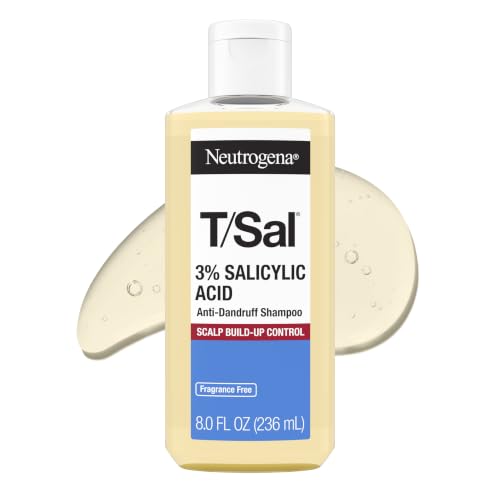
Neutrogena T/Sal 3% Salicylic Acid Anti-Dandruff Shampoo (8 fl oz)
3% Salicylic Acid Shampoo
Best for: Thick, stuck-on scale that keeps ketoconazole from reaching the skin
- Active
- 3% salicylic acid
- Status
- OTC anti-dandruff
- Size
- 8 fl oz
- Role
- Loosens scale
Some scalps produce thick, adherent scale rather than loose flakes. When that happens, an antifungal shampoo has a harder time reaching the skin. Neutrogena T/Sal uses 3% salicylic acid, which loosens and lifts scale, and it is a long-standing dermatologist favorite for exactly this job.
Used once a week or so, before or alternating with Nizoral, it can help clear the build-up so the ketoconazole works more effectively. It does not target yeast itself, so it complements an antifungal rather than replacing one.
Skip it if your flakes are light and loose, because ketoconazole alone is likely enough. Salicylic acid can also be drying, so do not use it daily, and avoid it on broken or very irritated skin. If you are not sure whether you have scale build-up or ordinary dandruff, a dermatologist can tell you in a single visit, and it is worth asking if flakes look thick, silvery or patchy.
What We Liked
- Salicylic acid loosens thick, stuck-on scale
- Helps antifungal shampoos reach the scalp
- Long-established brand and formula
What We Didn't
- Not an antifungal, so it does not replace ketoconazole
- Can be drying with frequent use
The Bottom Line
Use it when scale build-up is the problem, alongside ketoconazole rather than instead of it.
Vanicream Shampoo for Sensitive Skin (12 fl oz)
Gentle Shampoo
Best for: Sensitive scalps that need a mild cleanser between medicated washes
- Active
- None (cosmetic)
- Fragrance
- Fragrance-free
- Size
- 12 fl oz
- Role
- Between ketoconazole washes
Ketoconazole is a treatment, not a daily shampoo. On the days you are not using it, you still need something to wash with, and a gentle, fragrance-free cleanser is the safest choice for an itchy or reactive scalp. Vanicream is made for sensitive skin and leaves out fragrance and many common irritants.
It is a particularly good fit if you also use minoxidil, because a scalp that is already dealing with medicated products does not need a heavily fragranced shampoo on top. It cleans well enough to remove oil and product build-up without adding anything to react to.
Vanicream does nothing for dandruff or hair loss on its own. Skip it if your scalp is resilient and you are happy with your current everyday shampoo. If your hair is long or dry, pair it with a light conditioner on the lengths, since a minimal formula like this does little to soften hair on its own.
What We Liked
- Fragrance-free and designed for sensitive skin
- Gentle enough for daily use alongside medicated shampoos
- Inexpensive
What We Didn't
- No active ingredient for dandruff or hair loss
- Simple formula may feel basic on long or dry hair
The Bottom Line
The best everyday shampoo to pair with a ketoconazole routine on a sensitive scalp.
How to Use Ketoconazole Shampoo
Contact time matters more than how much you use. Wet your hair, work a modest amount of shampoo into the scalp itself rather than the lengths, and leave the lather on for several minutes before rinsing thoroughly. A quick lather and rinse gives the active very little time to work.
Frequency matters too. The Nizoral label directs use every three to four days for up to eight weeks, then only as needed to control dandruff. In practice, most people settle on two or three washes a week. Using it daily rarely adds benefit and often leaves hair dry and rough.
Contact time matters more than how much you use.
On other days, wash with a gentle shampoo, or rotate in a different medicated active such as selenium sulfide or zinc pyrithione if your dandruff is stubborn. Condition the lengths of your hair after ketoconazole washes to offset dryness. Keep conditioner off the scalp itself if you are prone to flaking, since heavy products can add to build-up on a flaky scalp.
If you use minoxidil, wash first and let your scalp dry fully before applying it. Minoxidil should go onto a dry scalp, and shampooing it out soon after application wastes the dose, so leave several hours between minoxidil and your next wash.
Where Ketoconazole Fits in a Hair Loss Routine
If your goal is to keep or regrow hair, ketoconazole is the third layer, not the first. The treatments with the strongest evidence are minoxidil, the only FDA-approved over-the-counter topical for hair regrowth, and, for men, prescription finasteride. Those two should get your attention and budget first.
Ketoconazole is often added to that base because it is cheap, low-risk and treats a scalp problem many people with thinning hair also have. This combination of minoxidil, finasteride and ketoconazole is popular enough in hair loss communities to have its own nickname, the Big Three. The name is catchy, but remember that ketoconazole's contribution to hair growth is the least proven of the three.
ketoconazole is the third layer, not the first
For women, the logic is similar: minoxidil is the foundation, and ketoconazole can be a useful add-on if dandruff or seborrheic dermatitis is part of the picture. Women who are pregnant or breastfeeding should check with a doctor before using any medicated shampoo. Women with color-treated hair may also want to condition carefully, since ketoconazole can leave longer hair feeling dry.
If you are tempted by shampoos that market themselves as DHT blockers, it is worth knowing that ketoconazole is the only common shampoo ingredient with even modest human evidence for hair loss. Our guide to the best DHT blocker shampoo looks at the rest in detail.
Rotating Medicated Shampoos for Stubborn Dandruff
Many people find one dandruff shampoo works for a while and then seems to stop. Often the cause is simply irregular use or too little contact time, but dermatologists commonly recommend rotating actives for dandruff that keeps returning. Ketoconazole, selenium sulfide, zinc pyrithione and salicylic acid each work in a different way.
A practical rotation looks like this: Nizoral twice a week, a selenium sulfide or zinc pyrithione shampoo once a week, and a gentle shampoo on any other wash days. If thick scale is part of the problem, use a salicylic acid shampoo once a week to loosen it before your antifungal wash.
Give any new routine four to eight weeks before judging it.
Give any new routine four to eight weeks before judging it. If your scalp is still flaking, red or itchy after that, or if you have scaling on your face, ears or eyebrows too, see a dermatologist. Prescription-strength antifungals and short courses of anti-inflammatory treatments are available for seborrheic dermatitis that over-the-counter products do not control.
Also see a doctor if what you have does not look like ordinary dandruff. Thick silvery plaques may be psoriasis, and painful patches, pus, or sudden patchy hair loss need medical attention rather than another shampoo.
Side Effects and Safety
Ketoconazole shampoo is well tolerated by most people because very little of it is absorbed through the scalp. The most common complaints are dryness, a rough or straw-like feel to the hair, and occasional scalp irritation. Conditioning the lengths and limiting use to a few times a week usually solves the first two.
Stop using it and talk to a doctor if you develop a rash, swelling, blistering or significant irritation. People with a known allergy to ketoconazole or other azole antifungals should avoid it. As with any medicated product, keep it out of your eyes and rinse thoroughly if it gets in them.
very little of it is absorbed through the scalp
If you are pregnant or breastfeeding, ask your doctor before using medicated shampoos, including ketoconazole and selenium sulfide. Absorption through the scalp is low, but it is a sensible precaution.
Selenium sulfide shampoos have their own quirk: they can discolor blond, gray or chemically treated hair, so rinse thoroughly. Salicylic acid can be drying with frequent use. None of these products should be used on broken or infected skin.
Compared Side by Side
| Product | Active | Size | Role | Best For |
|---|---|---|---|---|
| Nizoral 1% (7 oz) | 1% ketoconazole | 7 fl oz | Main treatment | Starting out |
| Nizoral 1% (14 oz) | 1% ketoconazole | 14 oz | Main treatment | Best value |
| Head & Shoulders Clinical | 1% selenium sulfide | 2 x 13.5 fl oz | Rotation | Stubborn flakes |
| DHS Zinc | 2% zinc pyrithione | 16 oz | Off-day medicated | Frequent use |
| Selsun Blue Medicated | 1% selenium sulfide | 2 x 11 fl oz | Rotation | Budget |
| Neutrogena T/Sal | 3% salicylic acid | 8 fl oz | Scale removal | Thick build-up |
| Vanicream Shampoo | None | 12 fl oz | Gentle cleanser | Sensitive scalps |
Ready to Buy? Our Picks Again
- 1Check Price →
- 2Check Price →
- 3Check Price →
Best Rotation Partner
Head & Shoulders Clinical Strength Dry Scalp Rescue Shampoo, 1% Selenium Sulfide (Twin Pack) - 4Check Price →
Best Zinc Pyrithione Option
DHS Zinc Shampoo, 2% Pyrithione Formula (16 oz) - 5Check Price →
Best Budget Pick
Selsun Blue Medicated Anti-Dandruff Shampoo with Menthol, Maximum Strength 1% Selenium Sulfide (2 x 11 fl oz) - 6Check Price →
Best for Scalp Build-Up
Neutrogena T/Sal 3% Salicylic Acid Anti-Dandruff Shampoo (8 fl oz) - 7Check Price →
Best Gentle Off-Day Shampoo
Vanicream Shampoo for Sensitive Skin (12 fl oz)
Common Mistakes to Avoid
Rinsing It Off Straight Away
Ketoconazole needs contact time to work. Lathering and rinsing in thirty seconds wastes most of its effect. Massage it into the scalp, leave it on for several minutes while you do something else in the shower, then rinse thoroughly. That habit makes more difference than which bottle size you buy.
Using It Every Day
More is not better. The label directs use every three to four days, and daily washing with ketoconazole mostly adds dryness and a rough feel to the hair. Two or three times a week is enough for most people, with a gentle or different medicated shampoo on the days in between.
Expecting Shampoo Alone to Regrow Hair
Ketoconazole's hair loss evidence is limited and comes mostly from small studies of the 2% prescription strength. It is not an approved regrowth treatment. If you are losing hair, build your routine around minoxidil and, for men, a conversation with a doctor about finasteride, then add ketoconazole on top.
Buying Unverified 2% Shampoos Online
In the US, 2% ketoconazole shampoo is prescription-only. Listings that sell it over the counter, or that make strength claims from unfamiliar sellers, are hard to verify. Stick with Nizoral for 1%, and get 2% from a doctor or a reputable telehealth service if you want it.
Ignoring Signs of Something Else
Not every flaky, itchy scalp is dandruff. Thick silvery plaques, painful or oozing patches, or sudden patchy hair loss can signal psoriasis, infection or alopecia areata. If a ketoconazole routine has not helped after several weeks, or symptoms look unusual, see a dermatologist rather than trying another shampoo.
Frequently Asked Questions
What is the best ketoconazole shampoo?
For most people, the best ketoconazole shampoo is Nizoral Anti-Dandruff Shampoo with 1% ketoconazole, the established over-the-counter option. Start with the 7-ounce bottle, then move to the 14-ounce size for better value once you know it suits you. Stronger 2% ketoconazole needs a prescription.
Does ketoconazole shampoo help with hair loss?
Possibly, but the evidence is limited. Small studies, mostly of 2% ketoconazole, suggest it may modestly improve hair density in androgenetic alopecia, perhaps by reducing scalp inflammation. It is not approved for hair regrowth, so use it alongside minoxidil or finasteride rather than instead of them.
Is Nizoral 1% or 2%?
Nizoral A-D sold over the counter in the US contains 1% ketoconazole. The 2% strength is available only with a prescription, usually as a generic. For dandruff, 1% works well for most people. Ask a doctor about 2% if your symptoms are stubborn or you want the strength used in most hair loss studies.
How often should I use ketoconazole shampoo?
The Nizoral label directs use every three to four days for up to eight weeks, then as needed. Most people settle on two or three times a week. Leave the lather on the scalp for several minutes before rinsing, and use a gentle shampoo on other days to avoid dryness.
Can I use ketoconazole shampoo with minoxidil?
Yes, and many people do. Wash with ketoconazole, let your scalp dry completely, then apply minoxidil. Avoid shampooing soon after applying minoxidil, because that rinses away the dose. Controlling dandruff can also make minoxidil easier to tolerate.
Is ketoconazole shampoo safe to use long term?
For most people, yes. Very little is absorbed through the scalp, and the most common side effects are dryness and rough-feeling hair. Stop if you develop a rash or significant irritation, avoid it if you are allergic to azole antifungals, and check with a doctor first if you are pregnant or breastfeeding.
What is a good alternative to ketoconazole shampoo?
For dandruff, selenium sulfide shampoos such as Head & Shoulders Clinical Strength or Selsun Blue, and zinc pyrithione shampoos such as DHS Zinc, are effective alternatives and good rotation partners. For hair loss, there is no shampoo alternative with better evidence; focus on minoxidil instead.
The Bottom Line
Nizoral 1% is the best ketoconazole shampoo you can buy without a prescription: proven for dandruff and a low-cost, low-risk add-on to a hair loss routine. Start with the 7-ounce bottle, move to the 14-ounce size for value, and use it two or three times a week with a few minutes of contact time. Rotate in selenium sulfide or zinc pyrithione for stubborn flakes, and keep minoxidil at the center of any regrowth plan.
More Buyer's Guides
Hair Growth & Hair Loss
Best DHT Blocker Shampoo
Plenty of shampoos promise to block DHT, the hormone behind pattern hair loss. Only one common shampoo ingredient has meaningful human evidence for hair loss, and it is not the one most labels advertise.
Hair Growth & Hair Loss
Best Hair Growth Shampoo
A shampoo cannot regrow hair by itself, but the right one keeps your scalp healthy, reduces breakage and fits around treatments that do work. Here is how the best-selling growth shampoos compare.
Hair Growth & Hair Loss
Best Minoxidil for Men
Every product here contains 5% minoxidil, the only topical hair regrowth drug the FDA has approved for men. What separates them is the vehicle, the irritation risk, and what you pay per month for the next decade.
Hair Growth & Hair Loss
Best Hair Growth Products for Men
Male pattern hair loss has two treatments with strong evidence and a long tail of add-ons with weaker support. We picked the best product in each category and ranked them in the order you should actually spend your money.
Hair Care
Best Scalp Scrub
A good scalp scrub clears product buildup, excess oil and dead skin that shampoo leaves behind. It will not regrow hair, and the wrong one can irritate. These are the physical and chemical scalp exfoliants worth using, and who should skip them.
Men's Grooming
Best Shampoo for Men
Men's shampoos are mostly marketed on fragrance and packaging, but what actually matters is whether a formula suits an oily, dry or flaky scalp and how often you wash. These are the everyday shampoos that get it right.