Our Picks at a Glance
- 1
 Check Price →
 - 2
 Check Price →
Best Value Branded Formula
Viviscal Hair Growth Supplements for Women (180 Tablets, 90-Day Supply) - 3
 Check Price →
 - 4
 Check Price →
Best for Low Ferritin
THORNE Iron Bisglycinate 25 mg (60 Capsules) - 5
 Check Price →
Best for Low Vitamin D
Nature Made Vitamin D3 2000 IU (50 mcg), 250 Softgels - 6
 Check Price →
 - 7
 Check Price →
Best Budget Biotin
Nature's Bounty Advanced Hair, Skin & Nails (150 Rapid Release Softgels)
The Short Version
- Vitamins help hair most when they correct a real deficiency. Ask your doctor for ferritin, vitamin D and a basic blood count before buying anything.
- Nutrafol Women is our best overall pick: a multi-ingredient formula with company-sponsored placebo-controlled trials, though it is expensive.
- Viviscal is the best-value branded formula, at well under half Nutrafol's monthly cost, but it contains marine ingredients and is not for fish or shellfish allergies.
- Biotin has weak evidence for hair in people who are not deficient, and high doses can distort thyroid and heart blood tests. Tell your doctor and lab you take it.
- Give any supplement three to six months before judging it, and pair it with proven treatments rather than replacing them.
On This Page · 12 sections
The best hair growth vitamins are not the ones with the most biotin or the prettiest bottle. They are the ones that match the reason your hair is thinning. If low iron, low vitamin D or a crash diet is behind your shedding, an inexpensive single nutrient can make a real difference. If your thinning is genetic pattern hair loss, no vitamin will regrow hair the way minoxidil or finasteride can, and the best a supplement can offer is a modest, supporting role.
That distinction is what most marketing skips. Supplements are regulated far more loosely than drugs: a company can sell a capsule for "hair growth" without proving in a rigorous trial that it grows hair, as long as it avoids claiming to treat a disease. None of the products on this list is FDA-approved to treat hair loss. Only topical minoxidil holds that status for over-the-counter regrowth. That does not make every supplement useless, but it does put the burden of proof on you as the buyer.
We ranked the picks below on the strength of the evidence behind their approach, how transparent their labels are, cost per month, how practical the dose is, and safety. This page is about oral vitamins and supplement blends in general. If you specifically want a DHT-focused herbal option, our guide to the best saw palmetto for hair loss goes deeper, and new mothers should read our postpartum hair loss roundup, because the rules on supplements change while breastfeeding.
What Hair Vitamins Can and Can't Do
Hair follicles are among the most metabolically active tissues in the body, and they are sensitive to shortfalls. When your body is short of iron, protein, calories or certain vitamins, it can push more follicles into the resting phase, and a few months later you notice extra hair in the shower and on your brush. This kind of diffuse shedding, called telogen effluvium, is where nutrition matters most, and it is the situation in which the right supplement can genuinely help.
Pattern hair loss is different. Androgenetic alopecia in men and women is driven mainly by genetics and hormones, particularly DHT acting on sensitive follicles. Vitamins do not change that process in any meaningful way. A person with a receding hairline or a widening part who is otherwise well nourished should not expect a vitamin to reverse it, no matter what the packaging implies.
Vitamins do not change that process in any meaningful way.
Between those two extremes sit the branded blends such as Nutrafol and Viviscal. They combine vitamins with botanicals or marine proteins and have company-sponsored placebo-controlled studies behind them. Those results are encouraging, but the effects are modest, the trials are small, and none of these products is FDA-approved to treat hair loss. They are best thought of as supporting players.
The practical upshot is that the right supplement depends on your diagnosis. If you do not know why you are thinning, the most valuable step is not buying a bottle. It is seeing a doctor or dermatologist, describing the pattern and timing of your loss, and getting basic blood work so you are treating a cause rather than guessing.
Test Before You Buy: The Deficiencies That Matter for Hair
A handful of blood tests answer most of the nutrition questions about hair loss. The most useful is ferritin, which measures stored iron. Low ferritin is common in women who menstruate, vegetarians, endurance athletes and people who have recently given birth, and it can be low enough to affect hair even when hemoglobin is normal. Some dermatologists aim for a ferritin level comfortably above the bottom of the reference range, though the ideal target for hair is debated.
Vitamin D is the second common gap, especially in people who spend little time in the sun, live at northern latitudes or have darker skin. Thyroid function is worth checking too, because both an underactive and overactive thyroid can cause diffuse thinning, and fixing the thyroid often fixes the hair. Zinc and vitamin B12 are reasonable additions if your diet, medications or digestive health put you at risk.
Ask your doctor which tests make sense for you, and keep the results. They give you a baseline, tell you which single supplement to buy, and let you check later whether supplementing actually moved your levels. That is a much better use of money than a multi-ingredient formula chosen because an advertisement said it was clinically studied.
If biotin is in anything you already take, tell the doctor before the blood draw. As the next section explains, high-dose biotin can make some results come back falsely high or falsely low, including the thyroid tests you are trying to interpret.
| What it measures | Who is most at risk | If low | |
|---|---|---|---|
| Ferritin | Stored iron | Heavy periods, vegetarians, postpartum | Iron under medical guidance |
| Vitamin D | Vitamin D status | Little sun, darker skin, northern climates | Vitamin D3 at a doctor-advised dose |
| Thyroid (TSH) | Thyroid function | Women, family history, postpartum | Treat the thyroid condition |
| Vitamin B12 | B12 status | Vegans, metformin users, older adults | B12 supplement or injections |
| Zinc | Zinc status | Restrictive diets, gut absorption problems | Short-term zinc, not megadoses |
The 7 Best Hair Growth Vitamins and Supplements
Our picks are ranked on evidence first, then label transparency, cost per month and safety. Two of them are single nutrients rather than hair formulas, because correcting a measured deficiency is the most reliable thing a supplement can do for hair.
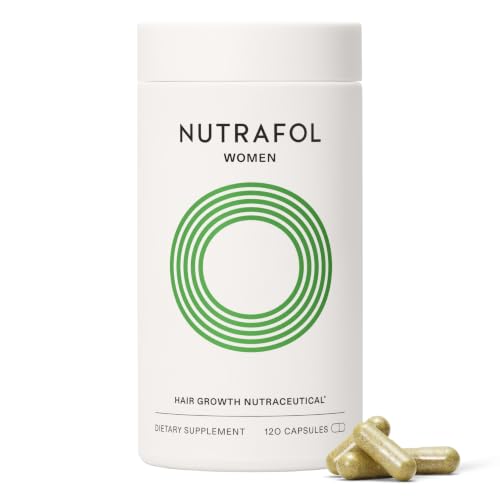
Nutrafol Women Hair Growth Supplements, Ages 18-44 (1-Month Bottle)
Multi-Ingredient Hair Supplement
Best for: Women with stress-related or diffuse thinning who want the most-studied branded formula
- Form
- Capsules (4 per day)
- Supply
- 1 month
- Approach
- Botanicals, marine collagen, vitamins
- Contains biotin
- Yes
Nutrafol Women is the supplement most dermatologists will have heard of, and the reason is that the company has done more than most to study its own product. Its formula combines a botanical blend that includes ashwagandha, saw palmetto, curcumin and tocotrienols with marine collagen and a set of vitamins and minerals. The idea is to address several possible contributors to thinning at once, such as stress, inflammation and nutrition, rather than relying on one nutrient.
The evidence is better than the category average but should be read carefully. Nutrafol has run placebo-controlled trials in which women taking the supplement saw more improvement in hair counts and appearance than those on placebo. Those trials were company-sponsored and relatively small, so they are encouraging rather than conclusive, and they do not put Nutrafol in the same league as minoxidil.
Skip it if cost is the main constraint, because it is one of the most expensive supplements on this list per month, and skip it if you are pregnant, trying to conceive or breastfeeding. Its biotin content also means you need to tell your doctor before blood tests.
What We Liked
- Placebo-controlled trials behind the specific formula, not just its ingredients
- Broad formula aimed at stress and inflammation as well as nutrition
- Separate versions for younger women, women 45+ and men
What We Didn't
- Among the most expensive hair supplements per month
- Four capsules a day is a real commitment
- Trials were company-sponsored and modest in size
- Not for pregnancy, conception attempts or breastfeeding
The Bottom Line
The most credible branded hair supplement for women, if the monthly cost fits and you treat it as support rather than a cure.
Viviscal Hair Growth Supplements for Women (180 Tablets, 90-Day Supply)
Marine Protein Hair Supplement
Best for: Women who want a studied branded supplement at a lower monthly cost than Nutrafol
- Form
- Tablets (2 per day)
- Supply
- 90 days
- Approach
- Marine protein complex plus vitamins and minerals
- Allergens
- Contains fish and shellfish
Viviscal has been sold for decades and is built around a marine-derived protein complex, combined with vitamins and minerals such as biotin, zinc and vitamin C. Like Nutrafol, it has company-sponsored clinical studies behind it, mostly small trials in women with self-perceived thinning that reported improvements in hair counts and shedding versus placebo. That is more evidence than most competitors can point to, though it is not independent or large-scale.
The 90-day pack is the smart way to buy it. Three months is the minimum sensible trial for any hair supplement, and this size typically works out to well under half Nutrafol's monthly cost. Two tablets a day is also easier to keep up than four capsules.
The important exclusion is allergy: Viviscal contains fish and shellfish derivatives, so anyone with those allergies should avoid it. It is also not intended for pregnancy or breastfeeding, and the biotin content means the same lab-test caution applies.
What We Liked
- Clinical studies behind the branded formula
- Much lower cost per month than Nutrafol in the 90-day size
- Simple twice-daily tablet dose
What We Didn't
- Not suitable for fish or shellfish allergies
- Studies were small and company-funded
- Contains biotin, which can interfere with some blood tests
The Bottom Line
The best-value studied formula for women. Buy the 90-day pack and judge it at the end of it.
Nutrafol Men Hair Growth Supplements, Ages 18-49 (1-Month Bottle)
Multi-Ingredient Hair Supplement
Best for: Men already using minoxidil or finasteride who want a supplement add-on
- Form
- Capsules (4 per day)
- Supply
- 1 month
- Approach
- Botanicals including saw palmetto, plus vitamins
- Contains biotin
- Yes
Nutrafol Men uses the same multi-target philosophy as the women's formula, with a heavier emphasis on saw palmetto, the botanical with the most supplement-aisle evidence for slowing male pattern hair loss. It also includes ashwagandha, curcumin, marine collagen and vitamins. Nutrafol has published company-sponsored placebo-controlled data in men as well, with modest improvements reported over placebo.
Where it fits is as an addition, not a foundation. Male pattern hair loss is driven by DHT, and finasteride lowers DHT far more powerfully than any supplement. Minoxidil is the only topical with FDA approval for regrowth. A man who takes Nutrafol instead of those treatments is making an expensive bet on the weaker tool.
If you are already on a proven regimen and want to add something, Nutrafol Men is the best-studied branded option. If you only want saw palmetto, a standalone extract costs a fraction as much per month, and our saw palmetto roundup compares them.
What We Liked
- Includes saw palmetto alongside a broader nutritional formula
- Placebo-controlled data published for the men's formula
- Reasonable add-on for men on minoxidil or finasteride
What We Didn't
- Far more expensive per month than a standalone saw palmetto extract
- Not a substitute for finasteride or minoxidil
- Four capsules daily
The Bottom Line
The best-studied hair supplement for men, as long as it sits on top of a proven treatment rather than replacing one.
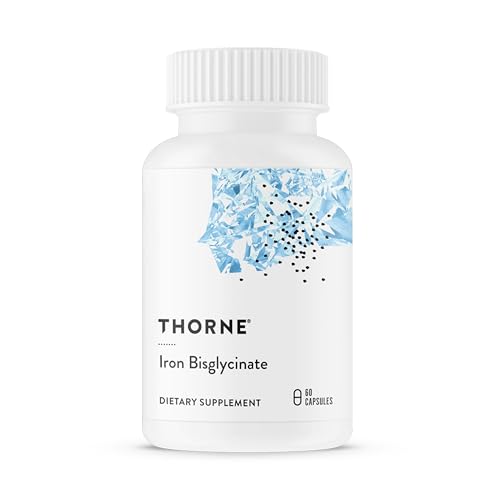
THORNE Iron Bisglycinate 25 mg (60 Capsules)
Iron Supplement
Best for: People whose blood work shows low ferritin or iron deficiency
- Form
- Capsule
- Iron per capsule
- 25 mg (bisglycinate)
- Supply
- 60 capsules
- Use only if
- Blood test confirms low iron stores
Iron deficiency is one of the best-documented nutritional causes of diffuse hair shedding, particularly in women with heavy periods, people who eat little red meat, frequent blood donors and anyone recovering from pregnancy. Ferritin, the measure of stored iron, can be low enough to affect hair before it causes outright anemia, which is why it is worth asking for specifically.
Thorne's iron bisglycinate is a chelated form that many people find gentler on the stomach than standard ferrous sulfate tablets, and the 25 mg dose is moderate. It is inexpensive per month and comes from a brand with a long reputation for quality control. If your ferritin is low, correcting it is one of the few supplement moves with a clear rationale for hair.
Do not take iron on a hunch. Iron builds up in the body, excess can be harmful, and some people have hereditary iron overload. Keep it away from children: accidental iron overdose is a leading cause of fatal poisoning in children under six. Test first, supplement under a doctor's guidance, and retest.
What We Liked
- Targets one of the best-established nutritional causes of shedding
- Chelated form is often easier on the stomach
- Low cost per month
What We Didn't
- Only useful if you are actually low; harmful in excess
- Dangerous to children if swallowed accidentally
- Needs blood tests to start and to monitor
The Bottom Line
If your ferritin is low, this is likely to do more for your hair than any branded hair vitamin. If it is normal, skip it.
Nature Made Vitamin D3 2000 IU (50 mcg), 250 Softgels
Vitamin D Supplement
Best for: People with measured low vitamin D, especially with limited sun exposure
- Form
- Softgel
- Dose
- 2000 IU (50 mcg)
- Supply
- 250 softgels
- Use only if
- Blood test shows low or borderline levels
Low vitamin D is common, and it turns up often in people with several kinds of hair loss, including telogen effluvium, pattern hair loss and alopecia areata. Whether low vitamin D causes hair loss or simply travels with it is not settled, but correcting a measured deficiency is good medicine for many reasons, and it costs very little.
Nature Made's D3 is a plain, widely available softgel at a moderate daily dose, and a bottle lasts most of a year. It is the opposite of a branded hair vitamin: one nutrient, clearly dosed, with no proprietary blend. That makes it easy to discuss with your doctor and easy to adjust after a follow-up test.
Skip it if your vitamin D is already normal. There is no evidence that pushing levels higher grows more hair, and vitamin D is fat-soluble, so very high doses over time can cause problems. If you already take a multivitamin or a hair formula, add up the vitamin D from every product before adding this one.
What We Liked
- Corrects a common, easily tested deficiency
- Single ingredient with a clear dose
- Extremely low cost per month
What We Didn't
- No hair benefit expected if your levels are already normal
- Easy to double up if you also take a multivitamin or hair blend
The Bottom Line
A cheap, sensible fix if blood work shows you are low. Not a hair treatment on its own.
OLLY Heavenly Hair Gummies with Keratin and Biotin (60 Count)
Biotin and Keratin Gummy
Best for: People who will not swallow pills and want a low-cost general hair vitamin
- Form
- Gummy
- Supply
- 60 gummies (about 1 month)
- Key ingredients
- Biotin, keratin
- Sugar
- Yes (gummy format)
OLLY Heavenly Hair is a pleasant-tasting gummy built around biotin and keratin, from a brand known for making supplements easy to take. If you struggle to swallow capsules and want a general hair vitamin, it is a more honest-feeling option than many influencer brands, and it costs far less per month than Nutrafol or Viviscal.
Be clear about what you are buying. Biotin only helps hair in people who are deficient, which is rare in people eating a normal diet, and the evidence for oral keratin supplements growing hair is limited. This is a nutritional top-up, not a treatment for pattern hair loss, and any benefit is likely to be small unless your diet has real gaps.
Skip it if you have bloodwork coming up and cannot pause it, if you are watching sugar intake, or if you have young children who might mistake gummies for candy. People with genuine thinning should put their money toward testing and proven treatments first.
What We Liked
- Easy to take for people who dislike pills
- Much cheaper per month than branded blends
- Simple, recognizable ingredient list
What We Didn't
- Biotin and keratin have weak evidence for hair in non-deficient people
- Contains sugar
- Biotin can interfere with lab tests
The Bottom Line
A reasonable, affordable gummy if you want a general hair vitamin, as long as your expectations are modest.
Nature's Bounty Advanced Hair, Skin & Nails (150 Rapid Release Softgels)
Biotin Multinutrient Softgel
Best for: Budget buyers who want a basic biotin-based beauty vitamin
- Form
- Rapid-release softgel
- Supply
- 150 softgels
- Key ingredient
- High-dose biotin
- Cost per month
- Lowest of the branded blends here
Nature's Bounty Hair, Skin & Nails is the drugstore staple of the category: a biotin-forward formula with supporting vitamins, sold in a large bottle at a very low price per day. If you have decided you want a biotin product, there is little reason to pay boutique prices for one, and this does the same job as many of the expensive gummies.
The same caveats apply as to every biotin product. Biotin deficiency is uncommon, and supplementing when you are not deficient has not been shown to grow hair. Products like SugarBearHair and Hairfluence are popular in this space as well, but in our view none has shown enough to justify paying several times more than this bottle for a similar biotin-led approach.
Skip it if you are being investigated for thyroid or heart problems, or if you are about to have blood tests, unless your doctor knows you take it. If your thinning has a clear pattern at the crown, temples or part, spend your money on minoxidil instead.
What We Liked
- Very low cost per day
- Large bottle from an established brand
- Easy-to-swallow softgels
What We Didn't
- Biotin-led approach with weak evidence for hair
- High-dose biotin can distort lab results
- Not a treatment for pattern hair loss
The Bottom Line
If you want a biotin supplement anyway, buy the cheap one. Just do not expect it to fix pattern thinning.
The Biotin Problem: Weak Evidence and a Lab-Test Warning
Biotin is the ingredient most associated with hair vitamins, and the one with the least support. True biotin deficiency causes hair loss, but it is rare in people eating a normal diet. Reviews of the research have found that the reports of biotin helping hair come almost entirely from people with a deficiency or a specific underlying condition. There is no good evidence that taking extra biotin grows hair in healthy people with normal levels.
The bigger issue is safety. Many laboratory tests use a biotin-based chemistry, and high blood levels of biotin from supplements can interfere with them. The FDA has warned that biotin can cause falsely low results on some troponin tests, which are used to diagnose heart attacks, and it can distort thyroid tests in ways that mimic disease. Hair, skin and nail products often contain biotin at many times the daily requirement.
There is no good evidence that taking extra biotin grows hair in healthy people with normal levels.
That does not mean biotin is dangerous to swallow. It means you must tell your doctor and the lab that you take it, especially before thyroid testing or if you ever arrive at an emergency department with chest pain. Many labs advise pausing biotin for several days before a blood draw, so ask yours what it recommends.
When you compare products, notice how many contain biotin even when it is not the headline ingredient. Nutrafol, Viviscal, OLLY and Nature's Bounty all include it. If you take two hair products, or a hair product plus a multivitamin, your total biotin intake can be very high without you realizing it.
Branded Blends vs. Single Nutrients: How to Read the Label
Hair supplements fall into two camps. Single nutrients such as iron, vitamin D or zinc have a clear dose, a clear purpose and a clear way to check whether they worked: a follow-up blood test. Branded blends combine many ingredients and aim at several possible causes at once. Blends are convenient, but they make it harder to know what is doing the work and easier to double up on nutrients you already get elsewhere.
When you read a blend's label, look first for whether each ingredient is listed with its own amount. Proprietary blends that list only a combined total make it impossible to judge whether a botanical is present at a dose that has been studied. Next, look for nutrients that can be harmful in excess. Vitamin A and selenium are both linked to hair loss when taken in high amounts, so more is not always better.
"Clinically studied ingredients" means someone, somewhere, studied an ingredient, not necessarily at this dose or in this product.
Then look at the evidence claimed. "Clinically studied ingredients" means someone, somewhere, studied an ingredient, not necessarily at this dose or in this product. "Clinically tested formula" is stronger, especially if the study was placebo-controlled and published. Nutrafol and Viviscal both have published, company-sponsored studies of their own formulas, which is why they lead this list despite their price.
Finally, consider third-party testing. Supplements are not checked by the FDA for potency before sale, so independent verification programs offer some reassurance that the bottle contains what the label says. Established brands with long track records are generally a safer bet than an unknown seller with a dramatic before-and-after photo.
How Long Hair Vitamins Take, and How to Judge Them
Hair grows roughly a centimeter a month, and the hair you see today began growing months ago. That means any supplement, even one that corrects a genuine deficiency, needs time to show up. Expect to wait at least three months before you notice less shedding, and closer to six months before you can judge whether hair looks fuller. Branded trials typically measure results over three to six months for this reason.
Shedding often settles before density improves. If iron deficiency or a period of illness caused a telogen effluvium, the first sign of progress is usually fewer hairs in the drain. New growth arrives as short, fine hairs along the part or hairline, which thicken and lengthen over the following months.
Shedding often settles before density improves.
Take photos before you start, in the same lighting and with your hair parted the same way, and repeat them every month or two. A simple shedding count, such as hairs collected after a wash, can also help. If you supplement a deficiency, a follow-up blood test confirms whether your levels actually improved.
If six months pass with no change in shedding or appearance, the supplement is probably not addressing your cause. That is the point to see a dermatologist rather than switch brands. Many people cycle through vitamin after vitamin for years when what they have is pattern hair loss that would respond to minoxidil.
Safety: Pregnancy, Medications, Allergies and Overdosing
Supplements feel harmless because they are sold next to the toothpaste, but several ingredients in hair formulas deserve respect. Saw palmetto has hormonal activity and is not advised during pregnancy or while trying to conceive. Ashwagandha, used in some blends, is also generally avoided in pregnancy. Most branded hair supplements say plainly that they are not for pregnant or breastfeeding women, and anyone in that situation should only take supplements their doctor approves.
Marine-based formulas, including Viviscal and products with marine collagen, may contain fish or shellfish derivatives, so check the allergen statement carefully. Iron can upset the stomach, interact with thyroid medication and some antibiotics, and is dangerous to children in overdose. Keep every supplement, especially gummies and iron, out of reach of children.
Ironically, too much vitamin A and selenium can cause hair loss.
Stacking is the most common avoidable risk. A hair formula, a multivitamin and a separate biotin product can easily add up to excessive amounts of vitamin A, selenium or biotin. Ironically, too much vitamin A and selenium can cause hair loss. Add up the totals from everything you take before adding anything new.
If you take prescription medication, have a chronic condition, or are scheduled for surgery or blood work, show your doctor or pharmacist the label. Some botanicals can interact with blood thinners or other drugs. A two-minute conversation is a small price for avoiding an interaction you did not know about.
Compared Side by Side
| Product | Type | Daily Dose | Evidence Basis | Best For |
|---|---|---|---|---|
| Nutrafol Women | Branded blend | 4 capsules | Company-sponsored RCTs | Best overall |
| Viviscal Women | Marine protein blend | 2 tablets | Company-sponsored studies | Best value formula |
| Nutrafol Men | Branded blend | 4 capsules | Company-sponsored RCTs | Men on a proven regimen |
| Thorne Iron Bisglycinate | Single nutrient | 1 capsule | Corrects deficiency | Low ferritin |
| Nature Made D3 | Single nutrient | 1 softgel | Corrects deficiency | Low vitamin D |
| OLLY Heavenly Hair | Biotin gummy | 2 gummies | Weak for non-deficient | Pill-averse buyers |
| Nature's Bounty HSN | Biotin softgel | Per label | Weak for non-deficient | Lowest cost |
Ready to Buy? Our Picks Again
- 1Check Price →
- 2Check Price →
Best Value Branded Formula
Viviscal Hair Growth Supplements for Women (180 Tablets, 90-Day Supply) - 3Check Price →
- 4Check Price →
Best for Low Ferritin
THORNE Iron Bisglycinate 25 mg (60 Capsules) - 5Check Price →
Best for Low Vitamin D
Nature Made Vitamin D3 2000 IU (50 mcg), 250 Softgels - 6Check Price →
- 7Check Price →
Best Budget Biotin
Nature's Bounty Advanced Hair, Skin & Nails (150 Rapid Release Softgels)
Common Mistakes to Avoid
Buying Before Testing
The most useful supplement for your hair depends on what you are short of, and you cannot know that without blood work. Ferritin, vitamin D and thyroid tests are inexpensive and often covered by insurance. Testing first can save you months of paying for a branded formula that does not address your actual cause.
Expecting Vitamins to Fix Pattern Hair Loss
A receding hairline, thinning crown or widening part is usually genetic pattern hair loss. Vitamins do not block DHT or regrow miniaturized follicles in any meaningful way. Minoxidil is the only OTC topical FDA-approved for regrowth, and finasteride is the strongest option for men. Use supplements alongside those, not instead of them.
Forgetting to Mention Biotin Before Blood Tests
High-dose biotin can make some thyroid and heart tests read falsely, which can lead to misdiagnosis or a missed diagnosis. Tell your doctor and the lab about every product containing biotin, including multivitamins. Many labs advise pausing biotin for a few days before a blood draw, so ask what yours recommends.
Stacking Several Hair Products
Taking a hair blend, a multivitamin and a separate biotin gummy can push vitamin A, selenium and biotin to excessive levels. Too much vitamin A or selenium can itself cause hair loss. Add up the amounts from every label, and choose one well-designed product rather than three overlapping ones.
Giving Up After Four Weeks
Hair grows slowly, and changes from any supplement take months to become visible. Stopping after a month tells you nothing. Commit to three to six months, take monthly photos in the same light, and track shedding. If nothing has changed by six months, see a dermatologist rather than switching brands.
Frequently Asked Questions
What are the best hair growth vitamins?
For most women, Nutrafol Women is the best overall hair supplement because its formula has placebo-controlled studies behind it, and Viviscal is the best-value branded alternative. But if blood tests show low ferritin or vitamin D, a simple iron or vitamin D supplement is likely to do more for your hair than any blend.
Do hair growth vitamins actually work?
They work best when they correct a real deficiency, such as low iron or vitamin D, that is contributing to shedding. Branded blends like Nutrafol and Viviscal have modest, company-sponsored evidence. For genetic pattern hair loss, vitamins are a minor supporting step at most, and proven treatments like minoxidil matter far more.
Does biotin help hair grow?
Only if you are deficient, which is uncommon in people eating a normal diet. There is no good evidence that extra biotin grows hair in healthy people. High doses can also interfere with thyroid and heart blood tests, so always tell your doctor and the lab if you take it.
Is Nutrafol better than Viviscal?
Both have company-sponsored studies behind them. Nutrafol uses a broader botanical formula aimed at stress and inflammation, while Viviscal is built around a marine protein complex and costs much less per month. Nutrafol suits people who want the broader approach; Viviscal suits budget-conscious buyers without fish or shellfish allergies.
How long do hair vitamins take to work?
Expect at least three months before you notice less shedding and around six months before you can judge whether hair looks fuller. Hair grows slowly, and new growth starts as short, fine hairs. Take photos before you start and every month or two to track progress objectively.
Can hair vitamins cause side effects?
Yes. Biotin can distort lab tests, iron can cause stomach upset and is dangerous to children in overdose, and marine formulas can trigger fish or shellfish allergies. Too much vitamin A or selenium can even cause hair loss. Check totals across every supplement you take and talk to your doctor if you take medication.
Can I take hair vitamins while pregnant or breastfeeding?
Most branded hair supplements, including Nutrafol and Viviscal, are not intended for pregnancy or breastfeeding, and ingredients such as saw palmetto and ashwagandha are generally avoided. A prenatal or postnatal vitamin recommended by your doctor is the right choice during this time. Our postpartum hair loss guide covers this in detail.
The Bottom Line
The best hair growth vitamin is the one that fixes your actual shortfall, so start with blood work. If ferritin or vitamin D is low, an inexpensive single nutrient like Thorne iron or Nature Made D3 is the smartest buy. If you want a branded formula, Nutrafol Women has the strongest evidence and Viviscal offers the best value, but both work best alongside proven treatments.
More Buyer's Guides
Hair Growth & Hair Loss
Best Saw Palmetto for Hair Loss
Saw palmetto has more real evidence for hair than almost anything else in the supplement aisle. It is also clearly weaker than finasteride. Buying the right extract at the right dose is the difference between giving it a fair trial and wasting six months.
Hair Growth & Hair Loss
Best Postpartum Hair Loss Products
Postpartum hair loss looks alarming but is almost always temporary. The right products will not speed up the calendar, but they can make thinning less obvious, cut breakage and keep you away from treatments that are not suitable while breastfeeding.
Hair Growth & Hair Loss
Best Hair Growth Products for Women
Female hair thinning has more possible causes than male pattern loss, and only one over-the-counter drug approved to treat it. We picked the best product in each category and ranked them by what the evidence says they can do.
Hair Growth & Hair Loss
Best Hair Growth Products for Men
Male pattern hair loss has two treatments with strong evidence and a long tail of add-ons with weaker support. We picked the best product in each category and ranked them in the order you should actually spend your money.
Hair Growth & Hair Loss
Best Minoxidil for Women
Minoxidil is the only topical drug the FDA has approved to regrow hair in women. It comes in two women's forms, a 2% solution used twice a day and a 5% foam used once, and the choice between them matters more than the brand on the box.
Hair Growth & Hair Loss
Best Hair Growth Serum
Drug-free scalp serums can make hair look fuller and support a healthier scalp, but none of them is an FDA-approved regrowth treatment. Here is which ones are worth the money, and when you should be buying minoxidil instead.