The Short Answer
Yes, it can contribute. Low iron stores, measured by a ferritin blood test, are one of the most common treatable factors linked to diffuse hair shedding, especially in women who menstruate. Ferritin can be low even when you are not anemic. Get tested before supplementing, because iron helps hair only when stores are low and excess iron can be harmful.
Top Picks: Best Iron Supplement for Hair Loss
 Check Price
Best Overall
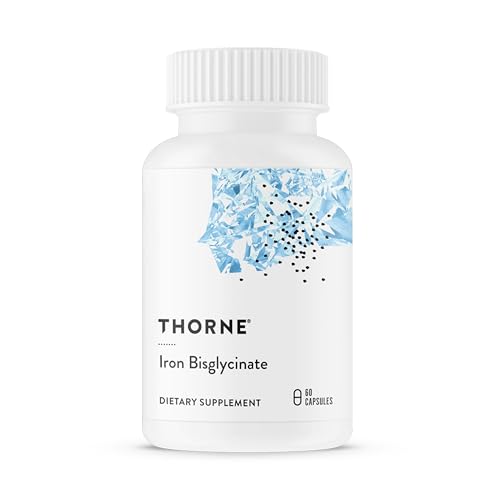
THORNE Iron Bisglycinate 25 mg (60 Capsules)
 Check Price
Best Value Gentle Iron
Solgar Gentle Iron 25 mg (90 Vegetable Capsules)
 Check Price
Best With Vitamin C
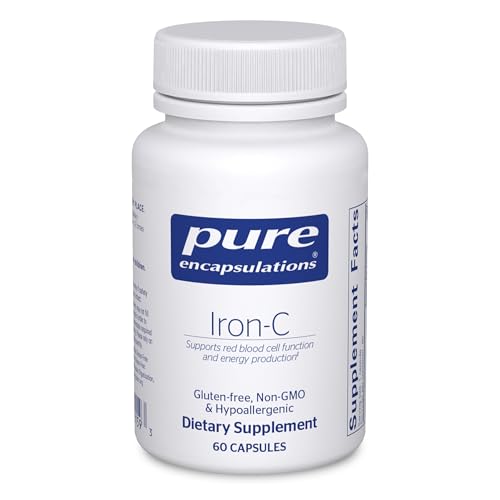
Pure Encapsulations Iron-C (60 Capsules)
Written by HairGrowthReviews Editorial Team
Reviewed by Ernesta Malinauskytė, PhD, Director of Hair Research, TRI Princeton
Updated 2026-10-14 · Independently researched · How we review
We may earn a commission when you buy through our links, at no cost to you. As an Amazon Associate we earn from qualifying purchases. How we research
The Short Version
- Low iron stores are linked to diffuse shedding called telogen effluvium, most often in women with heavy periods, vegetarians and people who have recently given birth.
- Ferritin, the marker of stored iron, can be low before hemoglobin drops, so a normal blood count does not rule out low iron.
- Studies are not fully consistent, and association is not proof of cause, but many dermatologists check and treat low ferritin in people who are shedding.
- Iron does nothing for hair when stores are already normal, and the body has no efficient way to get rid of excess iron.
- Hair recovers slowly. Expect several months after iron stores improve before shedding settles and regrowth shows.
On This Page · 9 sections
Can low iron cause hair loss? Yes, low iron is one of the most common treatable contributors to hair shedding, and it is one of the first things a dermatologist checks when someone, especially a woman, reports that their hair is coming out more than usual. The link is not as simple as some supplement marketing suggests, but it is real enough that testing your iron stores is a sensible early step when shedding starts.
The key word is stores. Many people assume that if they are not anemic, their iron must be fine. In fact, the body can run down its iron reserves well before anemia develops, and those depleted reserves, measured by a blood test called ferritin, are what researchers have most often linked to hair shedding. A normal hemoglobin result does not tell you whether your ferritin is low.
This page explains how iron affects hair, what the research shows and where it falls short, who is most likely to be low, which tests to ask for, and how treatment and recovery work. It also explains why taking iron without a test is a mistake. If your blood work has already confirmed low ferritin, our guide to the best iron supplement for hair loss compares gentle, well-tolerated options.
How Low Iron Is Linked to Hair Loss
Hair follicles are among the most active tissues in the body, constantly dividing to build new hair. Iron is needed to carry oxygen in the blood and is used by many enzymes involved in cell growth. When supplies run short, the body appears to prioritize essential organs over non-essential tissues like hair, and follicles can be pushed out of the growth phase earlier than they should be.
The result is a pattern called telogen effluvium. Normally, only a small share of hair is in telogen, the resting phase, at any one time. When more follicles shift into rest together, those hairs fall out around two to three months later. That delay is why shedding linked to low iron often seems to come out of nowhere, long after the stores first started dropping.
That delay is why shedding linked to low iron often seems to come out of nowhere
Telogen effluvium looks like diffuse thinning rather than bald patches. You may notice more hair in the shower drain, on your brush and on your pillow, and your ponytail may feel thinner, but the scalp is usually not bare in any one spot. The hairs that fall typically have a small white bulb at the root, a sign they were shed from the resting phase.
Low iron may also make other types of hair loss worse. Some dermatologists believe depleted iron stores can accelerate female pattern hair loss or slow the response to treatment, which is one reason ferritin is often checked even when the main diagnosis is pattern thinning. The evidence for that is less firm, but correcting a real deficiency is worthwhile for overall health either way.
What the Research Shows, and Where It Falls Short
The evidence linking iron and hair comes mostly from studies that compare people with hair loss with people without it. Many of these have found lower average ferritin in women with shedding or thinning than in women without. Those findings are consistent enough that checking ferritin has become routine practice for many dermatologists.
The research is not entirely consistent, though. Some studies have found no clear difference in ferritin between people with and without hair loss, and the studies vary in how they define low iron and which kinds of hair loss they include. That is a common situation in nutrition research, where many factors travel together and are hard to separate.
Iron is not a general hair growth booster
It is also important to remember that association is not proof of cause. Heavy periods, restrictive diets, recent childbirth and chronic illness can all cause both low iron and hair shedding. In those situations, low ferritin may be a marker of a broader problem rather than the only driver of hair loss. Treating the iron without addressing the underlying cause may not be enough.
What is reasonably clear is that genuine iron deficiency should be corrected for your health in general, and that doing so removes one possible contributor to shedding. What there is no good evidence for is iron helping hair when stores are already normal. Iron is not a general hair growth booster, and that distinction shapes everything about how to use it.
Who Is Most Likely to Be Low in Iron
Iron deficiency is the most common nutritional deficiency worldwide, and some groups are at much higher risk. Women who menstruate, particularly those with heavy periods, lose iron every month and are the group most often affected. People who have recently been pregnant or given birth are also at risk, which is one reason iron is checked when postpartum shedding drags on.
Diet matters too. Vegetarians and vegans can get enough iron, but plant iron is absorbed less efficiently than iron from meat and fish, so stores can run low without careful planning. Frequent blood donors, endurance athletes and people who have had weight-loss surgery are other groups where low ferritin is more common.
In men and in women after menopause, iron deficiency is less common and always needs investigating. It can be a sign of slow blood loss from the gut or of an absorption problem such as celiac disease. In these groups, low iron is not something to treat with supplements alone; finding the cause is part of the treatment.
Other signs of low iron can appear alongside hair shedding. These include tiredness, pale skin, shortness of breath on exertion, cold hands and feet, brittle or spoon-shaped nails, restless legs and cravings for ice. Not everyone with low ferritin has symptoms, though, which is why a blood test matters more than a checklist.
| Why Iron Runs Low | What to Ask Your Doctor | |
|---|---|---|
| Heavy periods | Monthly blood loss | Ferritin and treatment for heavy bleeding |
| Pregnancy or postpartum | Higher needs and blood loss | Ferritin if shedding lasts past several months |
| Vegetarian or vegan diet | Plant iron absorbs less well | Ferritin and dietary advice |
| Men or post-menopause | Possible gut bleeding or absorption problem | Ferritin plus a search for the cause |
| Frequent blood donation | Regular iron loss | Ferritin before continuing donations |
Our #1 pick for iron supplement for hair loss
THORNE Iron Bisglycinate 25 mg (60 Capsules)
The best all-round iron for low-ferritin shedding: gentle, well tested and simple. Test first.
Test First: Ferritin and the Blood Work That Matters
The single most useful test is ferritin, which reflects how much iron your body has stored. Ask for it alongside a complete blood count, which shows hemoglobin and whether low iron has already caused anemia. Many doctors add other iron studies and a thyroid test, since thyroid problems are another common, separate cause of shedding.
Ferritin has a quirk worth knowing. It rises with inflammation and infection, so a normal result during or just after an illness can hide low stores. Your doctor may interpret ferritin alongside other markers for that reason. Labs set their own reference ranges, and some dermatologists prefer ferritin comfortably above the bottom of the normal range for hair, though there is no agreed target.
Testing protects you in both directions.
Testing protects you in both directions. It confirms whether iron is the right treatment, and it identifies people who should not take iron at all. Some people inherit a tendency to absorb and store too much iron, a condition called hereditary hemochromatosis, and many do not know they have it until their blood work shows it.
Tell your doctor about every supplement you take before the blood draw. Iron tablets taken the morning of a test can affect some iron measurements, and high-dose biotin, common in hair, skin and nail products, can distort a range of lab results. Your doctor or the lab can tell you whether to pause anything beforehand, so your results reflect your true levels rather than yesterday's pills.
If your iron is normal, that is useful information too. It tells you to look elsewhere: thyroid function, vitamin D, recent triggers such as illness or stress, and female or male pattern hair loss, which is the most common cause of gradual thinning. A dermatologist can help put the results together.
| What It Measures | Why It Matters for Hair | |
|---|---|---|
| Ferritin | Stored iron | Can be low before anemia appears |
| Complete blood count | Hemoglobin and red cells | Shows whether low iron has caused anemia |
| Iron studies | Iron, transferrin, saturation | Helps interpret ferritin and flags overload |
| Thyroid (TSH) | Thyroid function | A common, separate cause of shedding |
If Your Ferritin Is Low: Treatment and Recovery Timeline
If your blood work confirms low iron, your doctor will recommend a dose and a plan to retest. Gentle chelated forms such as iron bisglycinate tend to cause fewer stomach problems than classic ferrous sulfate, which matters because digestive side effects are the main reason people stop before their stores recover. Thorne Iron Bisglycinate is our best overall pick for people with confirmed low ferritin.
Absorption is easily disrupted. Calcium, tea, coffee and high-fiber foods taken at the same time reduce how much iron you absorb, while vitamin C helps. Iron also interacts with thyroid medication and some antibiotics, so these usually need to be taken hours apart. Ask your doctor or pharmacist how to time everything.
If your ferritin recovers and your hair is still thinning, iron was not the whole story.
Hair recovers slowly, even after iron starts to rise. The follicles that were pushed into rest have to complete their cycle before new hair grows, and hair grows only about a centimeter a month. The first sign of progress is usually less shedding; new growth follows as short, fine hairs along the part and hairline. Most people should expect to wait several months.
Food helps, but usually more for maintenance than for correcting a real deficiency quickly. Heme iron from red meat, poultry and fish is absorbed most easily. Plant sources such as lentils, beans, tofu, spinach and fortified cereals contain non-heme iron, which absorbs better when eaten with vitamin C-rich foods like peppers, citrus or tomatoes. Once your stores are restored, a diet with regular iron sources helps keep them there, especially if the cause, such as heavy periods, is ongoing.
Your doctor will usually retest ferritin to check that it is rising and to decide how long to continue. If your ferritin recovers and your hair is still thinning, iron was not the whole story. Female pattern hair loss is the most common cause of gradual thinning in women and responds to minoxidil, not supplements.
Why You Should Not Take Iron Without Testing
Iron is not a supplement to take on a hunch. The body has no efficient way to excrete excess iron, so it accumulates over time. In people with hereditary hemochromatosis or other iron-loading conditions, extra iron can slowly damage the liver, heart and pancreas, often without symptoms until the damage is advanced.
Iron is also dangerous to children. Accidental iron overdose has long been one of the leading causes of fatal poisoning in young children, and adult-strength tablets can look like sweets. Keep every iron product in a child-resistant container, stored high and out of sight, and call poison control or emergency services immediately if a child swallows any.
Iron is not a supplement to take on a hunch.
Watch for hidden sources. Hair gummies, multivitamins and prenatal vitamins often contain iron, and stacking several products can push your total intake far higher than intended. Common side effects of iron include constipation, nausea and dark stools; black, tarry stools with other symptoms, or any sign of bleeding, need medical attention.
Finally, see a doctor promptly rather than self-treating if your hair loss is sudden, patchy, or accompanied by scalp pain or scaling, or if you have symptoms such as marked fatigue, breathlessness or unexplained weight loss. Those patterns can point to conditions that need a diagnosis, and iron deficiency itself sometimes signals a problem that needs investigating.
Frequently Asked Questions
Can low ferritin cause hair loss even if I'm not anemic?
It may. Ferritin reflects stored iron and can fall before hemoglobin drops into the anemic range. Many studies have found lower ferritin in women with shedding, although the evidence is not entirely consistent. Many dermatologists check ferritin in people who are shedding and treat a deficiency when they find one.
What does hair loss from low iron look like?
Usually diffuse shedding rather than bald patches. You may see more hair in the drain and on your brush, and your hair may feel thinner overall, especially along the part. It typically starts two to three months after iron stores drop. Patchy bald spots suggest a different cause.
Will my hair grow back after fixing low iron?
If low iron was driving the shedding, hair usually recovers once stores are restored, but slowly. Shedding tends to settle first, and new growth appears as short, fine hairs that thicken over months. If thinning continues after ferritin recovers, ask a dermatologist about pattern hair loss or other causes.
What ferritin level causes hair loss?
There is no agreed cut-off. Labs use their own reference ranges, and some dermatologists prefer ferritin comfortably above the bottom of the normal range in people who are shedding. Because ferritin also rises with inflammation, your doctor should interpret it alongside other tests rather than relying on one number.
Should I take iron supplements for hair loss without a test?
No. Iron helps hair only when stores are low, and excess iron accumulates because the body cannot easily excrete it. Some people have inherited iron overload without knowing it. Ask for a ferritin test and blood count first, and take iron only if they show a need.
Can low iron cause hair loss in men?
It can, but it is much less common, and male thinning is usually pattern hair loss driven by genetics and DHT. If a man's blood work does show low iron, the cause needs investigating, because it can signal blood loss from the gut or an absorption problem such as celiac disease.
Can too much iron cause hair loss?
Hair loss is not a typical warning sign of too much iron. The bigger concern with iron overload, as in untreated hemochromatosis, is gradual damage to the liver, heart and pancreas. That risk is the reason to test before supplementing and to retest during treatment rather than taking iron indefinitely.
The Bottom Line
Low iron can contribute to hair loss, usually as diffuse shedding, and ferritin can be low even without anemia. But iron helps only when stores are genuinely low, and excess iron is harmful. Get ferritin and a blood count checked first, treat a confirmed deficiency in a form you tolerate, and give your hair several months to recover.