Our Picks at a Glance
- 1
 Check Price →
Best Overall
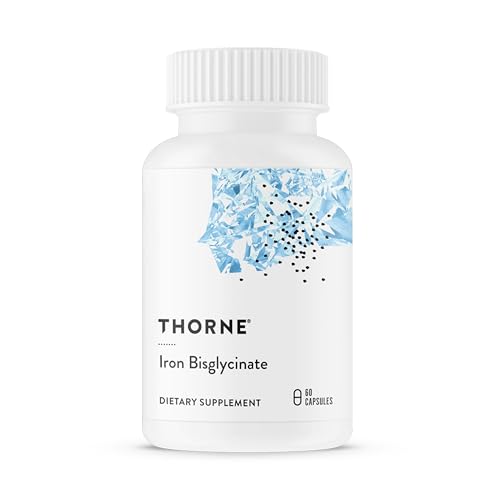
THORNE Iron Bisglycinate 25 mg (60 Capsules) - 2
 Check Price →
Best Value Gentle Iron
Solgar Gentle Iron 25 mg (90 Vegetable Capsules) - 3
 Check Price →
Best With Vitamin C
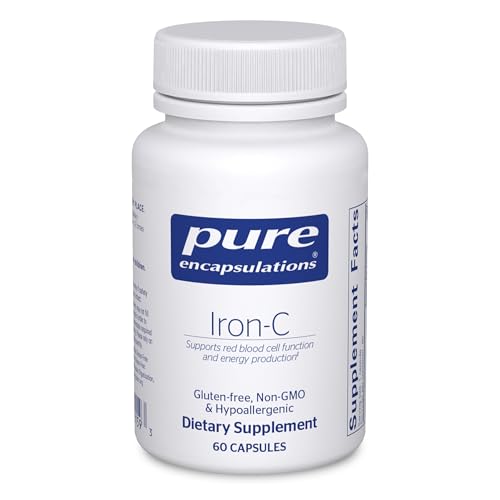
Pure Encapsulations Iron-C (60 Capsules) - 4
 Check Price →
Best Budget Standard Iron
Nature Made Iron 65 mg (325 mg Ferrous Sulfate) Tablets (180 Count) - 5
 Check Price →
Best Slow-Release
Slow Fe 45 mg Slow Release Iron Supplement (60 Tablets) - 6
 Check Price →
Best Multi-Nutrient Formula
MegaFood Blood Builder Iron Supplement (90 Tablets) - 7
 Check Price →
Best Low-Cost Gentle Option
Nature's Bounty Gentle Iron 28 mg Capsules (90 Count)
The Short Version
- Get your ferritin tested before buying. Iron helps hair only when stores are low, and excess iron can be harmful.
- Thorne Iron Bisglycinate is our best overall pick: a gentle chelated form, a moderate 25 mg per capsule and NSF Certified for Sport.
- Gentle forms like iron bisglycinate tend to cause fewer stomach problems than standard ferrous sulfate, which helps people keep taking it.
- Keep iron away from calcium, tea, coffee and thyroid medication, and take it as your doctor directs; vitamin C can help absorption.
- Keep every iron product out of reach of children. Accidental iron overdose is a leading cause of fatal poisoning in young children.
On This Page · 12 sections
The best iron supplement for hair loss is the one your blood work says you need, in a form your stomach can tolerate, taken the way your doctor recommends. Iron is different from most hair supplements. When stores are genuinely low, correcting them has a clear rationale for shedding hair. When they are normal, extra iron has not been shown to help hair, and because the body has no efficient way to get rid of excess iron, taking it on a hunch carries real risk.
That makes this a page about choosing well once you know you need iron. The products below differ mainly in the form of iron they use, how gentle they are on the digestive system, whether they add vitamin C or other nutrients, and how much they cost per month. Gentle chelated forms such as iron bisglycinate rank highly because side effects are the main reason people stop taking iron before it has had time to work.
We ranked the picks on iron form, tolerability, label clarity, third-party testing where the listing states it, and value. This is research-based, not a hands-on test, and nothing here replaces medical advice on dose. If you want a broader look at vitamins for hair, including vitamin D and branded blends, see our guide to the best hair growth vitamins; this page focuses only on iron and ferritin-related shedding.
How Low Iron Is Linked to Hair Shedding
Hair follicles are among the most active tissues in the body, and they are sensitive to shortfalls. When the body is low on resources, it can push more follicles into the resting phase, and two to three months later the extra hairs fall out. This kind of diffuse shedding is called telogen effluvium, and low iron stores are one of the nutritional factors most often investigated when it happens.
Ferritin is the blood test that reflects stored iron. It can fall low enough to matter before you develop outright anemia, which is why someone with a normal hemoglobin can still have depleted stores. Low ferritin is common in women who menstruate, especially with heavy periods, as well as in vegetarians, frequent blood donors, endurance athletes and people who have recently given birth.
Iron is not a general hair growth booster.
The research is honest about its limits. Many studies have found lower ferritin in women with hair loss than in women without it, but others have not, and association does not prove that low iron caused the shedding. What is reasonably clear is that genuine iron deficiency should be corrected for your overall health, and many dermatologists check and treat it in women with shedding.
What there is no good evidence for is iron helping hair when your stores are already normal. Iron is not a general hair growth booster. If your ferritin is fine, the cause of your hair loss lies elsewhere, often female pattern hair loss, thyroid disease or another trigger, and the right treatment is different.
Test First: The Blood Work That Tells You Whether You Need Iron
Before buying any iron, ask your doctor for a ferritin test, ideally alongside a complete blood count. Many doctors add other iron studies and a thyroid test, since thyroid problems are another common cause of shedding. These are routine, inexpensive tests, and they are the only reliable way to know whether iron is the right purchase.
Ferritin has a quirk worth knowing. It also rises with inflammation and infection, so a normal or high result during illness can hide low stores. Your doctor may interpret it alongside other markers. Labs set their own reference ranges, and some dermatologists prefer ferritin comfortably above the bottom of the range for hair, though there is no agreed target.
Treating the cause matters as much as replacing the iron.
If your iron is low, the next question is why. In women who menstruate, heavy periods are the usual reason. In men and in women after menopause, iron deficiency is less common and always needs investigating, because it can be a sign of blood loss from the gut or of a problem with absorption, such as celiac disease. Treating the cause matters as much as replacing the iron.
Testing also protects you from the opposite problem. Some people inherit a tendency to absorb and store too much iron, a condition called hereditary hemochromatosis, and many do not know they have it. Adding supplements in that situation can slowly damage organs. A blood test before you start, and periodic retesting as your doctor advises, keeps you on the right side of both.
| What it tells you | Why it matters for hair | |
|---|---|---|
| Ferritin | Stored iron | Can be low before anemia appears |
| Complete blood count | Hemoglobin and red cell size | Shows whether low iron has caused anemia |
| Iron studies | Iron, transferrin, saturation | Helps interpret ferritin; flags overload |
| Thyroid (TSH) | Thyroid function | A common, separate cause of shedding |
The 7 Best Iron Supplements for Hair Loss
Every pick below is intended for people whose blood work shows low iron stores. They are ranked on iron form, how likely they are to be tolerated, label clarity, testing and value. Take any of them only as directed on the label or by your doctor, and keep them out of reach of children.
THORNE Iron Bisglycinate 25 mg (60 Capsules)
Chelated Iron Capsule
Best for: People with confirmed low ferritin who want a gentle, well-tested iron
- Iron form
- Iron bisglycinate (chelated)
- Iron per capsule
- 25 mg
- Count
- 60 capsules
- Testing
- NSF Certified for Sport (per listing)
Thorne's Iron Bisglycinate is the iron we would point most people to once a blood test confirms low stores. It uses iron bisglycinate, a chelated form in which iron is bound to the amino acid glycine. Chelated iron is widely used because many people find it easier on the stomach than standard ferrous sulfate, and that matters, because constipation and nausea are the main reasons people abandon iron before their levels recover.
The 25 mg capsule is a moderate strength that gives your doctor flexibility, and the listing states it is NSF Certified for Sport, a third-party program that tests for contaminants and label accuracy. Thorne has a long reputation for quality control, and the label is simple: iron, without a long list of extras you may already get elsewhere.
Skip it if your doctor has prescribed a specific higher-strength product or a particular form. And do not take it at all without a ferritin test: if your stores are normal, there is no evidence extra iron helps hair, and iron accumulates in the body.
What We Liked
- Gentle chelated form that many people tolerate better than ferrous sulfate
- Moderate 25 mg strength is easy to adjust under medical guidance
- NSF Certified for Sport per the listing
- Clean, single-nutrient label
What We Didn't
- Costs more per milligram of iron than generic ferrous sulfate
- Contains no vitamin C, so you may want to take it with a vitamin C source
- Only 60 capsules per bottle
The Bottom Line
The best all-round iron for low-ferritin shedding: gentle, well tested and simple. Test first.
Solgar Gentle Iron 25 mg (90 Vegetable Capsules)
Chelated Iron Capsule
Best for: Vegetarians and anyone who wants a gentle chelated iron at a lower monthly cost
- Iron form
- Iron bisglycinate (chelated)
- Iron per capsule
- 25 mg
- Count
- 90 vegetable capsules
- Suitable for
- Vegetarians (vegetable capsule)
Solgar Gentle Iron is the closest alternative to Thorne, and for many people it is the better buy. It is a 25 mg chelated iron bisglycinate in a vegetable capsule, the same form and strength, and the 90-count bottle usually works out cheaper per capsule than Thorne's 60-count.
The vegetable capsule makes it a good fit for vegetarians and vegans, who are more likely to run low on iron in the first place because plant iron is absorbed less efficiently than the iron in meat. Solgar has been making supplements for decades, and Gentle Iron is one of its most widely recommended products, with consistent buyer feedback about stomach comfort compared with standard iron tablets.
What you give up compared with Thorne is the NSF Certified for Sport mark, which matters if you are a tested athlete. Skip it if your doctor wants you on a higher-strength or specific prescription product, and as with every pick here, only take it once a blood test confirms low iron.
What We Liked
- Same gentle chelated form and strength as our top pick
- Usually cheaper per capsule than Thorne
- Vegetable capsule suits vegetarians and vegans
- Long-established brand
What We Didn't
- No NSF Certified for Sport mark in the listing
- No added vitamin C
- Capsules are a little large for some people
The Bottom Line
Thorne's gentle chelated iron at a lower monthly cost, and an easy choice for vegetarians.
Pure Encapsulations Iron-C (60 Capsules)
Iron + Vitamin C Capsule
Best for: People who want iron and vitamin C in one capsule, and those with sensitivities to common additives
- Formula
- Iron with vitamin C
- Count
- 60 capsules
- Brand focus
- Hypoallergenic, minimal-additive formulas
- Check
- Iron amount on the label
Pure Encapsulations Iron-C pairs iron with vitamin C in the same capsule. Vitamin C helps the body absorb non-heme iron, the kind found in plant foods and most supplements, which is why doctors often suggest taking iron with a vitamin C source such as a glass of orange juice. Here it is built in, which removes one step from the routine.
Pure Encapsulations is known for hypoallergenic formulas with few fillers, binders or colorings, which makes this a sensible option if you react to additives in mass-market tablets. It is a practitioner-favored brand, and the formula is straightforward rather than a long blend of extras.
Check the iron amount on the label against what your doctor recommends, since it may differ from the 25 mg capsules above. Skip it if you are already taking a separate vitamin C supplement and want to keep the two independent, or if your doctor has prescribed a specific higher-strength iron.
What We Liked
- Vitamin C built in to support absorption
- Hypoallergenic, minimal-additive formulation
- Simple routine: one capsule, two nutrients
- Reputable practitioner brand
What We Didn't
- Costs more per capsule than Solgar
- Iron strength may not match what your doctor wants
- Only 60 capsules per bottle
The Bottom Line
The tidiest way to take iron with vitamin C, especially if you are sensitive to additives.
Nature Made Iron 65 mg (325 mg Ferrous Sulfate) Tablets (180 Count)
Ferrous Sulfate Tablet
Best for: People whose doctor has recommended standard ferrous sulfate and who tolerate it well
- Iron form
- Ferrous sulfate
- Iron per tablet
- 65 mg elemental (325 mg ferrous sulfate)
- Count
- 180 tablets
- Cost
- Lowest per mg of iron on this list
Ferrous sulfate is the standard, inexpensive iron that doctors have recommended for decades, and this Nature Made bottle is one of the most affordable ways to buy it. Each 325 mg tablet of ferrous sulfate supplies 65 mg of elemental iron, the figure that actually matters, which makes it a higher-strength tablet than the 25 mg chelated capsules above.
If your doctor has told you to take ferrous sulfate, this is a reliable, low-cost way to follow that advice, and a 180-count bottle lasts a long time. Ferrous sulfate is effective at raising iron stores; its drawback is that it is more likely than chelated forms to cause constipation, nausea and stomach discomfort, particularly at higher strengths.
That makes it a poor choice to start on your own. Its strength is best used under medical guidance, with follow-up blood tests. Skip it if you have a sensitive stomach or have struggled with iron before; a gentle chelated form such as Thorne or Solgar is easier to stick with.
What We Liked
- Very low cost per milligram of iron
- Standard form with a long clinical track record
- Large 180-tablet bottle
- Clear labeling of elemental iron
What We Didn't
- More likely to cause constipation and stomach upset than chelated iron
- Higher-strength tablet that should be used under medical guidance
- More dangerous to children in an accidental overdose because of its strength
The Bottom Line
The budget way to follow a doctor's ferrous sulfate recommendation. Not a casual first purchase.
Slow Fe 45 mg Slow Release Iron Supplement (60 Tablets)
Slow-Release Iron Tablet
Best for: People who want a well-known slow-release iron and prefer a pharmacy brand
- Iron form
- Ferrous sulfate, slow release
- Iron per tablet
- 45 mg
- Count
- 60 tablets
- Labeled for
- Iron deficiency
Slow Fe is one of the best-known iron brands in pharmacies, and its tablets release ferrous sulfate gradually rather than all at once. The idea is to reduce the stomach upset that a standard ferrous sulfate tablet can cause by spreading the iron out over time. Many people find it more comfortable than standard iron tablets, and it is sold specifically for iron deficiency.
There is a trade-off. Iron is absorbed best in the upper part of the small intestine, and some experts point out that slow-release products may release part of their iron further along the gut, where absorption is lower. That does not mean Slow Fe does not work, but it is one reason some doctors prefer a standard or chelated form. If your doctor recommends it, follow-up blood tests will show whether it is doing the job.
Skip it if you want the gentlest option; chelated bisglycinate is usually easier on the stomach and does not rely on a slow-release coating. It also costs more per milligram than plain ferrous sulfate.
What We Liked
- Slow-release design aims to reduce stomach upset
- Widely available pharmacy brand
- Clearly labeled for iron deficiency
What We Didn't
- Slow release may reduce how much iron is absorbed
- Costs more per milligram than standard ferrous sulfate
- Still ferrous sulfate, so constipation remains possible
The Bottom Line
A familiar slow-release option, but chelated iron is usually the gentler first choice.
MegaFood Blood Builder Iron Supplement (90 Tablets)
Iron + B12, Folate & Vitamin C Tablet
Best for: People with low iron who also want B12, folate and vitamin C in a single vegan tablet
- Formula
- Iron with B12, folic acid and vitamin C
- Count
- 90 tablets
- Suitable for
- Vegans (per listing)
- Check
- Iron amount on the label
MegaFood Blood Builder combines iron with vitamin B12, folic acid and vitamin C, nutrients involved in making red blood cells. It is a popular choice for women, and the vitamin C is there to help iron absorption. The brand markets it as gentle and states on its listings that it has been shown to raise iron levels without side effects; that is a company claim, so treat it as a positive sign rather than proof.
The combination is convenient if your blood work shows you are also low in B12 or folate, or if you eat a plant-based diet and want one tablet that covers several common gaps. It is also vegan according to the listing.
The downside is that multi-nutrient formulas make it harder to match the dose to your needs, and you may double up on B12 or folic acid from a multivitamin or prenatal. It is also one of the more expensive options per month. Skip it if you only need iron; a single-nutrient product is simpler and cheaper.
What We Liked
- Adds B12, folate and vitamin C to iron
- Vegan formula per the listing
- Convenient for plant-based eaters
- Popular, well-established brand
What We Didn't
- More expensive per month than single-nutrient iron
- Easy to double up on B12 or folic acid if you take other supplements
- Brand's tolerability claims are not independent evidence
The Bottom Line
Convenient if you need more than iron, but a single-nutrient iron is better value if you do not.
Nature's Bounty Gentle Iron 28 mg Capsules (90 Count)
Gentle Iron Capsule
Best for: Budget buyers who want a gentler capsule than standard ferrous sulfate tablets
- Formula
- Gentle iron capsule
- Iron per capsule
- 28 mg
- Count
- 90 capsules
- Check
- Iron form and extras on the label
Nature's Bounty Gentle Iron is a 28 mg capsule sold as a gentler alternative to standard iron tablets, and it is one of the least expensive ways to buy a moderate-strength iron. The strength is close to the 25 mg chelated capsules from Thorne and Solgar, which makes it a reasonable budget substitute if your doctor is happy with that range.
Nature's Bounty is a mainstream brand that is easy to find in supermarkets and pharmacies, so it is simple to restock without a lapse. Buyer feedback is generally positive about stomach comfort compared with standard ferrous sulfate tablets.
Nature's Bounty sells more than one Gentle Iron formula, and some versions add vitamin C and B vitamins, so read the label to see exactly what is in the bottle you receive. Skip it if you want third-party certification or the most clearly documented form; Thorne and Solgar are clearer on both counts.
What We Liked
- One of the cheapest moderate-strength iron capsules
- Marketed as gentler than standard tablets
- Mainstream brand that is easy to restock
What We Didn't
- Less detail in the listing than Thorne or Solgar
- Formulas vary between versions, so check the label
- No third-party certification mentioned in the listing
The Bottom Line
A fair budget choice for moderate-strength iron. Read the label to confirm what you are getting.
Iron Forms Compared: Bisglycinate, Ferrous Sulfate and Slow-Release
Supplement labels list iron in two ways: the weight of the compound, such as 325 mg of ferrous sulfate, and the amount of elemental iron it supplies, such as 65 mg. The elemental figure is the one that matters for comparing products and the one your doctor will refer to. A product that looks stronger because of a large compound weight may supply less actual iron than you think.
Ferrous sulfate is the classic, inexpensive form that has been used for decades. It works, but it is also the form most associated with digestive side effects, particularly constipation, nausea and stomach cramps. Ferrous gluconate and ferrous fumarate are other common salts with broadly similar trade-offs.
The best form is the one you will actually keep taking.
Iron bisglycinate is a chelated form, with iron bound to glycine. Many people find it gentler on the stomach, which is why it appears in most premium iron supplements, including Thorne and Solgar. Slow-release tablets, such as Slow Fe, take a different route to comfort by releasing ferrous sulfate gradually, although some iron may be released lower in the gut where absorption is weaker.
The best form is the one you will actually keep taking. Iron stores rebuild slowly, and stopping after two weeks because of an upset stomach gets you nowhere. That is why we rank gentle chelated iron above cheaper ferrous sulfate for most people, unless a doctor has recommended a specific product and strength.
| Stomach tolerance | Cost | Notes | |
|---|---|---|---|
| Iron bisglycinate | Often gentler | Moderate | Common in premium supplements |
| Ferrous sulfate | More side effects | Lowest | Long-standing standard form |
| Slow-release ferrous sulfate | Often gentler | Moderate | May absorb less |
| Multi-nutrient blends | Varies | Higher | Check every ingredient |
Getting Iron Absorbed: Vitamin C, Timing and Interactions
Iron absorption is easily disrupted. Calcium, whether from supplements, antacids or dairy, competes with iron and reduces how much is absorbed. So do the tannins in tea and the compounds in coffee, as well as high-fiber foods taken at the same time. Taking iron away from these, rather than with breakfast coffee and a calcium supplement, can make a real difference.
Vitamin C works the other way. It helps the body absorb non-heme iron, the kind found in plants and most supplements, which is why many doctors suggest taking iron with a glass of orange juice or a vitamin C source. Products such as Pure Encapsulations Iron-C and MegaFood Blood Builder include it. Some people take iron with food to reduce nausea; ask your doctor which approach suits you.
Stick to the dose on the label or the one your doctor gives you
Iron also interacts with medicines. It can reduce the absorption of thyroid hormone, such as levothyroxine, and of some antibiotics, including tetracyclines and quinolones, so these usually need to be taken hours apart. Acid-reducing medicines can lower iron absorption. Tell your doctor and pharmacist about every supplement you take so they can work out the timing.
Researchers have also looked at how often iron should be taken, and some recent studies suggest that less frequent schedules may be absorbed efficiently with fewer side effects. That is a decision for your doctor, not something to improvise. Stick to the dose on the label or the one your doctor gives you, and do not take more to speed things up.
Iron Safety: Overload, Children and Side Effects
Iron is not a supplement to take casually. The body has no efficient way to excrete excess iron, so it accumulates over time. In people with hereditary hemochromatosis or other iron-loading conditions, extra iron can damage the liver, heart and pancreas. This is why testing before you start and retesting during treatment are part of using iron safely.
Keep every iron product out of reach of children. Accidental iron overdose has long been one of the leading causes of fatal poisoning in children under six, and adult-strength tablets can look like sweets. Use child-resistant caps, store bottles high up and out of sight, and call poison control or emergency services immediately if a child swallows any iron.
Keep every iron product out of reach of children.
Common side effects include constipation, nausea, stomach pain and dark or black stools. Dark stools from iron are expected, but black, tarry stools with other symptoms, or any sign of bleeding, need medical attention. If side effects are troublesome, a doctor can suggest a gentler form or a different schedule rather than leaving you to quit.
Pregnancy changes iron needs, and prenatal vitamins usually already contain iron, so pregnant and breastfeeding women should only add iron under their clinician's guidance. Anyone with a blood disorder, liver disease or a history of frequent transfusions should not take iron supplements without medical advice.
How Long Iron Takes to Help Hair
Rebuilding iron stores takes time, and hair is slower still. Even when supplements start raising ferritin within weeks, the follicles pushed into the resting phase have to complete their cycle before new hair grows, and new hair grows only around a centimeter a month. Most people should expect to wait several months before seeing a difference.
The first sign of progress is usually less shedding: fewer hairs in the shower drain and on the brush. Regrowth comes later, as short, fine hairs along the part and hairline that gradually thicken and lengthen. Photos taken in the same lighting every couple of months are more reliable than day-to-day impressions.
If your ferritin has recovered and your hair is still thinning, iron was not the whole story.
Your doctor will usually retest ferritin after a period of treatment to check that levels are rising and to decide how long to continue. Once stores are restored, many people can stop or reduce iron, but if the cause of the loss, such as heavy periods, continues, low ferritin can return. Long-term, open-ended iron without testing is not a good idea.
If your ferritin has recovered and your hair is still thinning, iron was not the whole story. Female pattern hair loss is the most common cause of gradual thinning in women and responds to minoxidil, not to supplements. A dermatologist can confirm the diagnosis and help you combine treatments.
Compared Side by Side
| Product | Iron Form | Strength (per listing) | Extras | Best For |
|---|---|---|---|---|
| Thorne Iron Bisglycinate | Bisglycinate | 25 mg | None | Best overall |
| Solgar Gentle Iron | Bisglycinate | 25 mg | None | Value, vegetarians |
| Pure Encapsulations Iron-C | See label | See label | Vitamin C | Iron with vitamin C |
| Nature Made Iron 65 mg | Ferrous sulfate | 65 mg | None | Doctor-advised ferrous sulfate |
| Slow Fe | Slow-release ferrous sulfate | 45 mg | None | Slow-release preference |
| MegaFood Blood Builder | See label | See label | B12, folate, vitamin C | Multi-nutrient needs |
| Nature's Bounty Gentle Iron | See label | 28 mg | Varies by version | Budget gentle iron |
Ready to Buy? Our Picks Again
- 1Check Price →
Best Overall
THORNE Iron Bisglycinate 25 mg (60 Capsules) - 2Check Price →
Best Value Gentle Iron
Solgar Gentle Iron 25 mg (90 Vegetable Capsules) - 3Check Price →
Best With Vitamin C
Pure Encapsulations Iron-C (60 Capsules) - 4Check Price →
Best Budget Standard Iron
Nature Made Iron 65 mg (325 mg Ferrous Sulfate) Tablets (180 Count) - 5Check Price →
Best Slow-Release
Slow Fe 45 mg Slow Release Iron Supplement (60 Tablets) - 6Check Price →
Best Multi-Nutrient Formula
MegaFood Blood Builder Iron Supplement (90 Tablets) - 7Check Price →
Best Low-Cost Gentle Option
Nature's Bounty Gentle Iron 28 mg Capsules (90 Count)
Common Mistakes to Avoid
Taking Iron Without a Blood Test
Iron only helps hair when stores are low, and excess iron accumulates in the body. Some people have hereditary iron overload without knowing it. Ask for ferritin and a blood count first, take iron only if they show a need, and retest as your doctor advises rather than taking it indefinitely.
Stacking Several Iron Sources
Hair gummies, multivitamins, prenatal vitamins and iron supplements often all contain iron. Taking several at once can push your total intake far higher than you intended. Add up the iron across every product you use, and show the full list to your doctor or pharmacist before adding another.
Taking It With Coffee, Tea or Calcium
Calcium, tea and coffee reduce how much iron you absorb, and thyroid medication and some antibiotics interact with it. Swallowing iron with your morning latte and other pills wastes much of it. Ask your doctor how to space iron from your other medicines and drinks.
Quitting Over Constipation Instead of Switching
Digestive side effects are the most common reason people stop iron before their stores recover. Rather than giving up, ask your doctor about a gentler form such as iron bisglycinate or a different schedule. A form you can tolerate for months beats a stronger one you abandon in two weeks.
Leaving Iron Where Children Can Reach It
Accidental iron overdose is a leading cause of fatal poisoning in young children, and iron tablets can look like sweets. Keep bottles closed with child-resistant caps, stored high and out of sight. If a child swallows any iron, call poison control or emergency services immediately.
Frequently Asked Questions
What is the best iron supplement for hair loss?
For most people with confirmed low ferritin, Thorne Iron Bisglycinate is the best iron supplement for hair loss: a gentle chelated form, a moderate 25 mg capsule and NSF Certified for Sport per its listing. Solgar Gentle Iron is a cheaper equivalent. Only take iron after a blood test confirms you need it.
Can low iron cause hair loss even if I'm not anemic?
It may. Ferritin, the marker of stored iron, can fall before hemoglobin drops into the anemic range, and many studies have found lower ferritin in women with hair shedding. The evidence is not entirely consistent, but many dermatologists check ferritin in women with shedding and treat a deficiency when they find one.
What ferritin level is good for hair?
There is no agreed target. Labs have their own reference ranges, and some dermatologists prefer ferritin comfortably above the bottom of the normal range in women with shedding. Because ferritin also rises with inflammation, your doctor should interpret it alongside other tests. Do not try to push it higher with supplements on your own.
Is iron bisglycinate better than ferrous sulfate?
Both can raise iron stores. Iron bisglycinate is a chelated form that many people find gentler on the stomach, which helps them keep taking it. Ferrous sulfate is cheaper and long established, but more often causes constipation and nausea. Your doctor may recommend one over the other depending on your levels and tolerance.
How long does it take for hair to grow back after fixing low iron?
Usually several months. Shedding often slows first, and new growth appears as short, fine hairs that thicken over time. Hair grows roughly a centimeter a month, so visible density takes longer. If ferritin has recovered and thinning continues, ask a dermatologist about other causes such as female pattern hair loss.
Should men take iron for hair loss?
Generally not without a diagnosed deficiency. Men are less likely to be iron deficient, and male pattern hair loss is driven by genetics and DHT, not iron. If a man's blood work does show low iron, the cause needs investigating, because it can signal blood loss from the gut or an absorption problem.
Can I take iron with biotin or a hair vitamin?
Often, but check whether the hair vitamin already contains iron so you do not double up, and show your doctor the full list. Biotin can also interfere with some blood tests, including certain thyroid tests, so tell your doctor you take it before any blood work. Pause it only if they advise.
The Bottom Line
Iron is one of the few supplements with a clear role in hair loss, but only when a blood test shows your stores are low. Thorne Iron Bisglycinate is our best overall pick for its gentle form and third-party testing, and Solgar Gentle Iron is the value alternative. Test first, take it as directed, store it safely, and retest.
More Buyer's Guides
Hair Growth & Hair Loss
Best Hair Growth Vitamins
Hair growth vitamins are one of the most heavily marketed products in beauty, and one of the least understood. The ones worth buying either correct a measured deficiency or have at least some placebo-controlled evidence behind them.
Hair Growth & Hair Loss
Best Postpartum Hair Loss Products
Postpartum hair loss looks alarming but is almost always temporary. The right products will not speed up the calendar, but they can make thinning less obvious, cut breakage and keep you away from treatments that are not suitable while breastfeeding.
Hair Growth & Hair Loss
Best Hair Growth Products for Women
Female hair thinning has more possible causes than male pattern loss, and only one over-the-counter drug approved to treat it. We picked the best product in each category and ranked them by what the evidence says they can do.
Hair Growth & Hair Loss
Best Minoxidil for Women
Minoxidil is the only topical drug the FDA has approved to regrow hair in women. It comes in two women's forms, a 2% solution used twice a day and a 5% foam used once, and the choice between them matters more than the brand on the box.
Hair Growth & Hair Loss
Best Collagen for Hair Growth
Collagen is a convenient source of protein, and protein matters for hair. But the evidence that collagen supplements grow hair is thin. Here is how to choose a good one, and how to set honest expectations.
Hair Care
Best Shampoo for Thinning Hair
The right shampoo will not regrow hair, but it can make thinning hair look and feel noticeably fuller from the first wash. These are the thickening and volumizing shampoos worth buying, matched to hair type.