The Short Answer
Yes, you can use minoxidil and ketoconazole together, and many dermatologists suggest it. Wash with ketoconazole shampoo first, leave the lather on for several minutes, rinse, and let your scalp dry completely before applying minoxidil. Use ketoconazole two or three times a week, keep minoxidil on its usual daily schedule, and avoid washing for several hours after applying it.
Top Picks: Best Ketoconazole Shampoo
 Check Price
Best Overall
Nizoral Anti-Dandruff Shampoo with 1% Ketoconazole, Fresh Scent (7 fl oz)
 Check Price
Best Value
Nizoral Anti-Dandruff Shampoo with 1% Ketoconazole, Peppermint Scent (14 oz)
 Check Price
Best Rotation Partner
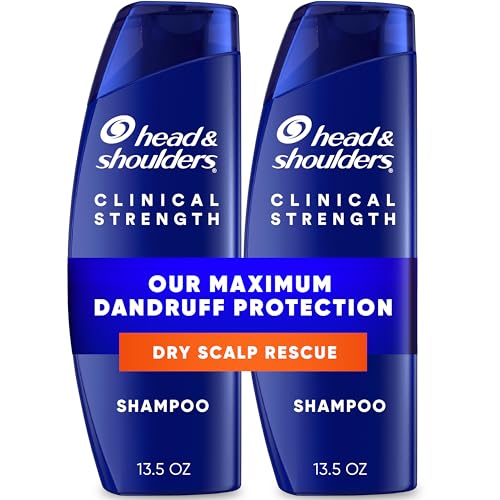
Head & Shoulders Clinical Strength Dry Scalp Rescue Shampoo, 1% Selenium Sulfide (Twin Pack)
Written by HairGrowthReviews Editorial Team
Reviewed by Ernesta Malinauskytė, PhD, Director of Hair Research, TRI Princeton
Updated 2026-10-14 · Independently researched · How we review
We may earn a commission when you buy through our links, at no cost to you. As an Amazon Associate we earn from qualifying purchases. How we research
The Short Version
- Minoxidil and ketoconazole shampoo can be used together; they do different jobs and have no known interaction as topicals.
- Order matters: shampoo with ketoconazole first, dry your scalp fully, then apply minoxidil.
- Leave several hours between applying minoxidil and your next wash, or you rinse away the dose.
- The Nizoral label directs use every three to four days; most people settle on two or three washes a week.
- Minoxidil is the foundation for regrowth. Ketoconazole is a low-cost add-on that clearly helps dandruff and may modestly help hair.
On This Page · 11 sections
Can you use minoxidil and ketoconazole together? Yes. The two are among the most common pairings in hair loss care, and the combination of minoxidil, ketoconazole shampoo and, for men, prescription finasteride is popular enough to have its own nickname, the Big Three. Using them side by side is safe for most people. The real questions are practical: which goes first, how long to wait between them, and how often to use the shampoo.
Getting those details wrong does not make the combination dangerous, but it can make it less effective. Shampooing too soon after minoxidil washes the dose away. Applying minoxidil to a damp scalp dilutes it and can make it run. Using ketoconazole every day mostly adds dryness, which can make minoxidil harder to tolerate.
This guide walks through what each product does, a simple routine that fits them together, how often to use each, and how to handle irritation. If you are still choosing a shampoo, our guide to the best ketoconazole shampoo compares the Nizoral sizes and the medicated shampoos that pair well with it.
What Minoxidil and Ketoconazole Each Do
Minoxidil is the only over-the-counter topical drug approved by the FDA for regrowing hair in pattern hair loss. It appears to lengthen the growth phase of the hair cycle and enlarge follicles that have been shrinking. It is the foundation of any topical regrowth routine, and its evidence base is far larger than ketoconazole's.
Ketoconazole is an antifungal. In shampoo form, its approved job is to control Malassezia, the yeast that drives most dandruff and seborrheic dermatitis. It reliably reduces flaking, itching and redness, and over-the-counter Nizoral contains 1% ketoconazole. A 2% strength is available by prescription.
Because they work in different ways, the two are complementary rather than competing.
Ketoconazole's reputation in hair loss comes from small studies, mostly of the 2% strength, suggesting it may modestly improve hair density, possibly by calming scalp inflammation. It is not approved for hair regrowth, and it has not been tested in the large trials that support minoxidil. Think of it as a supporting player rather than a treatment in its own right.
Because they work in different ways, the two are complementary rather than competing. Minoxidil acts on the follicle and the hair cycle; ketoconazole keeps the scalp surface calm and flake-free. A comfortable scalp also makes it easier to keep applying minoxidil every day, which is what actually drives results.
Is It Safe to Combine Them?
For most people, yes. There is no known interaction between topical minoxidil and ketoconazole shampoo. Ketoconazole is rinsed off after a few minutes of contact, and only very small amounts of either drug are absorbed through the scalp when used as directed.
The main overlap is irritation. Minoxidil liquids often contain propylene glycol and alcohol, which can dry and itch the scalp. Ketoconazole can also leave hair and skin feeling dry, particularly with frequent use. Stack both on a sensitive scalp without care, and the result can be more itching and flaking, which is the opposite of what you want.
There is no known interaction between topical minoxidil and ketoconazole shampoo.
That is manageable with sensible frequency and a gentle shampoo on the days in between, as described below. If irritation persists, switching from a liquid minoxidil to a propylene glycol-free foam often solves it.
A few groups should check with a doctor first: anyone with a known sensitivity to azole antifungals, anyone with a broken, sunburned or inflamed scalp, people with heart conditions or low blood pressure, and anyone who is pregnant or breastfeeding. Minoxidil is not recommended during pregnancy or breastfeeding, and it is sensible to ask before using any medicated shampoo at those times.
The Right Order: Shampoo First, Then Minoxidil
The rule is simple: ketoconazole first, minoxidil second, with a fully dry scalp in between. Minoxidil is designed to be applied to a dry scalp. Water on the skin dilutes it, makes liquid formulas run toward your forehead, and may change how much is absorbed.
On a ketoconazole day, wet your hair and work a modest amount of shampoo into the scalp itself rather than the lengths. Leave the lather on for several minutes before rinsing. Contact time matters more than quantity; a quick lather and rinse gives the antifungal very little time to work.
After rinsing, towel-dry and let your scalp dry completely. Air-drying works, or you can use a hair dryer on a cool or warm setting. Once your scalp feels dry to the touch, part your hair and apply minoxidil directly to the skin in the thinning areas, then let it dry fully before styling or lying down.
The reverse order is the one to avoid. If you apply minoxidil and then shampoo soon after, you rinse away most of the dose before it has had time to absorb. Leave several hours between applying minoxidil and your next wash. That is why many people prefer to wash in the morning and apply minoxidil afterwards, then do their second application in the evening.
| Morning | Evening | |
|---|---|---|
| Ketoconazole day (men) | Ketoconazole wash, dry scalp, minoxidil | Minoxidil on a dry scalp |
| Other days (men) | Gentle shampoo or no wash, dry scalp, minoxidil | Minoxidil on a dry scalp |
| Ketoconazole day (women's foam) | Ketoconazole wash, dry scalp, minoxidil foam | Nothing extra |
| Other days (women's foam) | Gentle shampoo if needed, dry scalp, foam | Nothing extra |
How Often to Use Each One
Minoxidil follows its own label, regardless of the shampoo. For men, that is 1 mL of solution or half a capful of foam twice a day. Women's 5% foam is labeled for half a capful once a day, and the women's 2% solution for 1 mL twice a day. Ketoconazole does not change any of this.
Ketoconazole is used far less often. The Nizoral label directs use every three to four days for up to eight weeks, then only as needed to control dandruff. In practice, most people settle on two or three washes a week, and that is the frequency typically discussed in hair loss routines too.
Using ketoconazole every day rarely adds benefit and often leaves hair dry and rough.
Using ketoconazole every day rarely adds benefit and often leaves hair dry and rough. On the days in between, use a gentle, fragrance-light shampoo, or a different medicated shampoo such as zinc pyrithione or selenium sulfide if dandruff keeps coming back. Rotating actives is a common way dermatologists manage stubborn flaking.
If your scalp is clear and you are using ketoconazole mainly as a hair loss add-on, a couple of washes a week is plenty. If you have active seborrheic dermatitis, you may need the label's full every-three-to-four-days schedule for a few weeks before tapering down.
Our #1 pick for ketoconazole shampoo
Nizoral Anti-Dandruff Shampoo with 1% Ketoconazole, Fresh Scent (7 fl oz)
The ketoconazole shampoo to start with. Proven for dandruff and a sensible add-on to a hair loss routine.
Does Adding Ketoconazole Make Minoxidil Work Better?
Possibly, but the evidence is thin. The studies that suggest ketoconazole may help hair are small and mostly used the 2% prescription strength, and the combination with minoxidil has not been tested in the kind of large, long trials that would give a confident answer.
There are plausible reasons it might help. Inflammation around the follicle is thought to play a part in pattern hair loss, and ketoconazole calms one common source of scalp inflammation. It is also sometimes said to have mild anti-androgen activity at the skin, though how much that matters at shampoo strength and contact time is uncertain.
Where it clearly earns its place is the overlap with dandruff. Many people with thinning hair also have dandruff or seborrheic dermatitis, and a flaky, itchy scalp makes minoxidil less pleasant to apply. Treating that is worthwhile in its own right, whatever ketoconazole's effect on hair density turns out to be.
So the honest summary is this: add ketoconazole because it is cheap, low-risk and helps your scalp, not because you expect it to transform your results. Your regrowth will still depend mainly on applying minoxidil consistently and, for men, on whether finasteride is part of the plan.
Managing Dryness and Irritation
If your scalp starts to feel tight, itchy or flaky after combining the two, look at frequency first. Dropping ketoconazole to twice a week and using a mild shampoo on the other days often fixes the problem without giving up either product.
Next, look at your minoxidil formula. Propylene glycol in liquid minoxidil is a common cause of itching and flaking that can look like dandruff. Switching to a propylene glycol-free foam often calms things down, and it dries faster, which also makes it easier to fit around washing.
Propylene glycol in liquid minoxidil is a common cause of itching and flaking that can look like dandruff.
Conditioner can help with dry lengths after a ketoconazole wash. Apply it to the mid-lengths and ends rather than the scalp, and rinse thoroughly so there is no residue where you will apply minoxidil. Avoid heavy oils or styling products on the scalp, which can get in the way of minoxidil reaching the skin.
If redness, burning, swelling or a rash appears, stop both products and let the scalp recover. Persistent flaking, scaling that spreads to the face or ears, or itching that does not settle after four to eight weeks of a sensible routine is worth a dermatologist visit, as prescription options exist for seborrheic dermatitis.
Common Mistakes When Combining the Two
The most common mistake is applying minoxidil to a damp scalp straight out of the shower. It feels efficient, but water dilutes the drug and makes liquid formulas run onto your forehead and temples, where they can irritate the skin or encourage fine facial hair. A few extra minutes of drying is worth it.
The second is washing too soon after minoxidil. An evening application followed by a morning shower is fine, because hours have passed. An application followed by a workout and a shower an hour later is not. If your schedule involves frequent showers, plan your minoxidil applications around them rather than the other way around.
Two or three washes a week with real contact time beats a daily quick rinse.
The third is overdoing ketoconazole in the hope of faster hair results. More washes do not mean more regrowth, and the dryness they cause can make the scalp itch, which can tempt you to skip minoxidil. Two or three washes a week with real contact time beats a daily quick rinse.
The last is judging the combination too early. Ketoconazole can calm flaking within a few weeks, but any effect on hair, along with minoxidil's, takes months. Changing products every few weeks resets the clock and makes it impossible to tell what is working, so give a routine at least six months before deciding.
Building a Simple Routine That Lasts
The best routine is one you can repeat for years, because minoxidil only works while you keep using it. Pick fixed wash days for ketoconazole, such as Monday and Thursday, and attach your minoxidil applications to habits you already have, like brushing your teeth.
Morning washers have it easiest: shampoo, dry, apply minoxidil, and you are done. Evening washers can do the same, as long as the scalp is fully dry before minoxidil goes on and the minoxidil has dried before bed. What matters is the order and the gap, not the time of day.
What matters is the order and the gap, not the time of day.
Start one product at a time if you can. If you begin minoxidil and ketoconazole in the same week and your scalp reacts, you will not know which one to blame. Starting minoxidil first and adding ketoconazole a few weeks later, or the other way around, makes troubleshooting much easier.
Finally, judge each product on its own timeline. Ketoconazole should show its effect on flaking and itch within a few weeks. Minoxidil takes around four months to show first results and about a year for the full picture, often after an early shedding phase that is a normal part of the process.
Frequently Asked Questions
Should I apply minoxidil before or after shampooing with ketoconazole?
After. Wash with ketoconazole, rinse, and let your scalp dry completely before applying minoxidil. Applying minoxidil first and then shampooing rinses away the dose. Leave several hours between applying minoxidil and your next wash.
How long should I wait after Nizoral to apply minoxidil?
Wait until your scalp is fully dry. That might take twenty to thirty minutes of air-drying, or a few minutes with a hair dryer. There is no need to wait longer than that, because ketoconazole is rinsed off and the two have no known interaction.
Can I use ketoconazole shampoo every day with minoxidil?
It is not recommended. The Nizoral label directs use every three to four days, and daily use mostly adds dryness, which can make minoxidil harder to tolerate. Two or three ketoconazole washes a week, with a gentle shampoo in between, is enough for most people.
Is 1% or 2% ketoconazole better with minoxidil?
Most hair loss studies used the 2% strength, which is prescription-only in the United States. Over-the-counter 1% Nizoral is effective for dandruff and a sensible low-cost add-on. If you already see a dermatologist about hair loss, ask whether 2% makes sense for you.
Can women use minoxidil and ketoconazole together?
Yes. The routine is the same: ketoconazole first, dry scalp, then minoxidil. Women using the 5% foam apply it once a day. Women who are pregnant or breastfeeding should not use minoxidil and should check with a doctor before using any medicated shampoo.
Can ketoconazole shampoo replace minoxidil?
No. Ketoconazole is approved for dandruff, not hair regrowth, and its hair loss evidence is limited to small studies. Minoxidil has a much stronger evidence base. Use ketoconazole as an add-on to minoxidil, and for men to finasteride, rather than as a replacement.
Can I use minoxidil and ketoconazole with finasteride?
Yes. Minoxidil, ketoconazole shampoo and finasteride together are often called the Big Three. Finasteride is a prescription tablet for men that lowers DHT, so discuss it with a doctor. Ketoconazole's contribution is the least proven of the three.
The Bottom Line
You can use minoxidil and ketoconazole together, and for many people with thinning hair and a flaky scalp it is a sensible pairing. Shampoo with ketoconazole two or three times a week, leave the lather on for several minutes, dry your scalp completely, then apply minoxidil, and never wash it out within a few hours of applying it.