Our Picks at a Glance
- 1
 Check Price →
- 2
 Check Price →
Best for Length Retention
SheaMoisture Jamaican Black Castor Oil Strengthen & Grow Leave-In Conditioner (11 oz) - 3
 Check Price →
- 4
 Check Price →
Best Protein Treatment
Aphogee Two-Step Protein Treatment for Damaged Hair (4 fl oz) - 5
 Check Price →
Best for Nighttime Protection
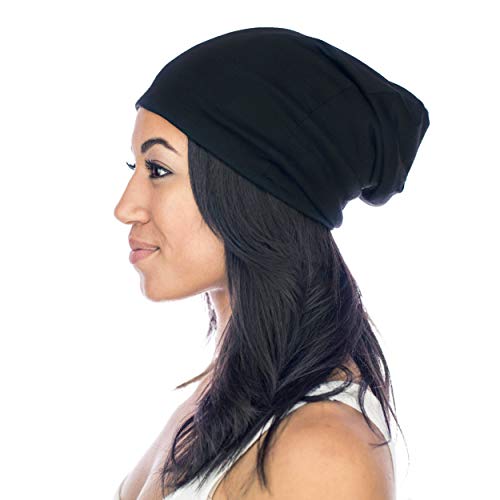
Grace Eleyae Satin-Lined Sleep Cap (Black) - 6
 Check Price →
Best Sealing Oil
Tropic Isle Living Jamaican Black Castor Oil (8 fl oz) - 7
 Check Price →
The Short Version
- For most Black women, slow growth is really breakage. Moisture, protein balance, satin at night and low-manipulation styling keep the length you grow.
- Women's Rogaine 5% Minoxidil Foam is our best overall pick: the only product here proven to regrow hair, and approved for female pattern thinning.
- Thinning edges or a thinning crown can be traction alopecia or CCCA. See a dermatologist early, because scarring hair loss is permanent.
- Rosemary oil has one small trial behind it; castor oil and biotin have no good evidence for growth. Use them for conditioning, not as treatment.
- If a style hurts, causes bumps along the hairline or leaves your scalp tender, it is too tight. Take it down and give your edges a break.
On This Page · 12 sections
The best black hair growth products are the ones that match your actual problem: moisture, protein and protection products for breakage, and women's 5% minoxidil foam, the only proven regrowth option on this list, for genuine thinning. That distinction matters more than any single product. Tightly coiled and relaxed hair grows from the scalp steadily like any other hair, but it is fragile along its length, so for many women the hair is growing and snapping off at about the same rate. That looks like no growth at all.
Real hair loss is a separate issue, and it is common. Traction alopecia from tight styles, and central centrifugal cicatricial alopecia (CCCA), a scarring condition that usually starts at the crown, both affect Black women disproportionately. Both can become permanent because they can scar the follicle, and once a follicle scars, no oil, serum or foam can bring it back. If your edges are receding, your crown is thinning, or your scalp itches, burns or feels tender where hair is thinning, see a dermatologist, ideally one experienced with textured hair, before you spend money on products.
We ranked the picks below on what each product actually does for regrowth or length retention, the strength of the evidence behind its claims, how well it suits type 4 and relaxed hair, buyer feedback and value. This is research-based, not a hands-on test. Our broader guide to the best Black hair care products covers stylers and daily moisture in more depth; this page focuses on growth, breakage and hair loss.
Breakage or Hair Loss? Why Black Hair Seems Not to Grow
Hair grows from the scalp at roughly half an inch a month on average, and some research suggests tightly coiled hair grows a little slower on average than straighter hair. But growth rate is rarely the real issue. The bigger difference is fragility: each bend in a coil is a weak point, coily hair tends to be drier because scalp oils travel down it less easily, and it tangles and knots more. So hair breaks along its length, and if it breaks as fast as it grows, your length stays the same for years.
That is why most hair growth products marketed to Black women are really breakage products, whether or not they say so. Leave-ins, oils, protein treatments and satin all work by keeping the hair you grow on your head longer. That is a real and visible benefit. It is just not the same as making hair grow faster.
But growth rate is rarely the real issue.
True hair loss is different. It means follicles are producing fewer or thinner hairs, or have stopped altogether. Shedding of full-length hairs with a small white bulb at the root, a widening part, a see-through crown, or receding edges all point to the follicle rather than the strand, and those need a different plan.
A quick check helps. Collect the hairs you lose for a few days. Short pieces of different lengths with no bulb suggest breakage. Full-length hairs with a bulb suggest shedding, which is normal up to a point but worth investigating if it is heavy or sudden. Thinning areas you can see on the scalp, especially with itching, burning or tenderness, need a dermatologist.
| What You Notice | Likely Cause | What Helps | |
|---|---|---|---|
| Breakage | Short snapped pieces, no bulb | Dryness, tangles, heat, chemicals | Moisture, protein balance, gentle handling |
| Shedding | Full-length hairs with a bulb | Stress, illness, postpartum, low iron | Find the trigger; see a doctor if heavy |
| Pattern thinning | Widening part, thinner top | Genetics and hormones | 5% minoxidil, dermatologist |
| Scarring loss | Shiny bald patches, tender scalp | CCCA, late traction alopecia | Dermatologist urgently |
Traction Alopecia and CCCA: When to See a Dermatologist
Traction alopecia is hair loss caused by repeated pulling on the hair. Tight braids, cornrows, weaves sewn onto tight tracks, heavy extensions, sleek high ponytails, locs that are retwisted too tightly at the root, and glued-on wigs can all do it. It usually shows up first along the edges and temples, sometimes with small bumps, soreness or broken hairs along the hairline. Caught early, it is often reversible if the tension stops. After years of pulling, the follicles can scar and the loss becomes permanent.
Central centrifugal cicatricial alopecia, or CCCA, is a scarring hair loss that typically starts at the crown or the top of the head and spreads outward. It is most common in women of African descent. Some people feel itching, burning or tenderness in the area, but many feel nothing at all, which is why it is often missed until a large area is affected. Researchers have linked some cases to genetics, including variants in a gene called PADI3, and styling practices may also play a role.
The key fact about both is that scarring is permanent.
The key fact about both is that scarring is permanent. Once a follicle is replaced by scar tissue, nothing currently available can regrow hair from it. Treatment aims to stop the inflammation and save the follicles that remain, which is why early diagnosis matters so much. A dermatologist may use a scalp exam, a dermatoscope and sometimes a small biopsy to confirm the cause, and treatment may include anti-inflammatory medicines, steroid treatments and, in some cases, minoxidil.
See a dermatologist if your edges are receding, your crown or top is thinning, your scalp itches, burns or hurts where hair is thinning, or you see shiny, smooth patches where hair used to be. If you can, look for one experienced with textured hair and Black patients. Bring photos and a list of your styling history; it helps.
The 7 Best Hair Growth Products for Black Hair
Only the first pick is a proven regrowth treatment. The rest protect the length you already grow: a leave-in and sealing oil for moisture, a protein treatment for strength, a cleansing shampoo, a satin cap for nights, and a rosemary oil for those who enjoy a scalp routine. We ranked them on evidence, fit for type 4 and relaxed hair, buyer feedback and value.
Women's Rogaine 5% Minoxidil Topical Foam, Unscented (2 x 2.11 oz)
5% Minoxidil Foam
Best for: Women with diffuse thinning, a widening part, or early non-scarring thinning a dermatologist has cleared for minoxidil
- Active
- 5% minoxidil
- Use
- Once a day (per listing)
- Size
- 2 x 2.11 oz
- Status
- FDA-approved OTC hair regrowth treatment
Women's Rogaine 5% foam is the only product on this list that is proven to regrow hair. Minoxidil has decades of randomized trial evidence, and this once-a-day foam is approved over the counter for women with female pattern hair loss, which often shows up as a widening part or thinning on top. It is unscented, and the foam format tends to irritate less than older liquid formulas, which matters on a scalp that is already stressed by styling.
For textured hair, the foam is practical. Part dry hair in sections, dispense a small amount onto your fingertips and work it into the scalp, not the hair. It can be applied between braids or twists along the parts, so you do not have to change your styling routine to use it. Expect possible extra shedding in the first weeks, which usually means follicles are restarting their cycle, and allow three to six months before judging results. You need to keep using it to keep the benefit.
Minoxidil cannot regrow hair where follicles have already scarred, so it is not a fix for advanced traction alopecia or established CCCA. Dermatologists sometimes add it to treatment for early traction alopecia or CCCA alongside other therapy, which is why a diagnosis comes first. Do not use it if you are pregnant or breastfeeding, and stop if you get persistent itching, redness or unwanted facial hair.
What We Liked
- Only proven, FDA-approved OTC regrowth option here
- Once-daily foam is easy to apply through parts
- Unscented, and gentler than older liquid formulas
What We Didn't
- Cannot regrow scarred follicles
- Early shedding phase can be unsettling
- Must be used continuously to keep results
The Bottom Line
If you have true thinning rather than breakage, this is the product with real evidence. Get scarring conditions ruled out first.
SheaMoisture Jamaican Black Castor Oil Strengthen & Grow Leave-In Conditioner (11 oz)
Leave-In Conditioner
Best for: Type 4 natural and relaxed hair that breaks because it is dry and tangles easily
- Type
- Cream leave-in conditioner
- Size
- 11 oz
- Key ingredients
- Jamaican black castor oil, shea butter
- Best use
- Every wash day, before styling
If breakage is what is holding your length back, a good leave-in conditioner will do more for you than almost any growth product, and SheaMoisture's Jamaican Black Castor Oil leave-in is one of the most popular for tightly coiled and relaxed hair. It is a rich cream that softens the hair and gives slip for detangling, and detangling is where a lot of length is lost: every knot ripped through with a comb is hair you grew and then broke.
Ignore the word "Grow" on the label. Neither castor oil nor shea butter has been shown to make hair grow faster. What this product can do is keep coils softer, more flexible and easier to handle, so fewer strands snap during styling and in daily wear. Over months, that shows up as visible length.
Apply it to damp hair in sections after washing, then detangle gently with fingers or a wide-tooth comb from ends to roots. It is heavy, so people with fine strands or low-porosity hair should start with a small amount to avoid buildup, and anyone sensitive to fragrance should check the label first.
What We Liked
- Rich moisture and slip for detangling
- Suits type 4 natural, relaxed and transitioning hair
- Widely available at a fair price
What We Didn't
- "Grow" claim is marketing, not evidence
- Can build up on fine or low-porosity hair
- Scented formula
The Bottom Line
The best everyday product for keeping length on dry, tangle-prone coils. It reduces breakage; it does not speed growth.
Mielle Organics Rosemary Mint Biotin Strengthening Shampoo (12 oz)
Strengthening Shampoo
Best for: Natural hair wearers who want a refreshing scalp cleanse that pairs with a rosemary routine
- Type
- Strengthening shampoo
- Size
- 12 oz
- Key ingredients
- Rosemary, mint, biotin (per listing)
- Frequency
- Wash day, often weekly
Mielle is one of the best-known Black-owned haircare brands, and its Rosemary Mint shampoo is a favorite for wash day among natural hair wearers. It is designed to cleanse the scalp, where oils, butters and styling products build up between washes, and it gives a cooling, tingly feel that many people like. A clean, comfortable scalp is the right starting point for any growth routine.
Keep the claims in perspective. A shampoo is on your scalp for a minute or two before you rinse it away, which is not enough time for rosemary or biotin to do much, and topical biotin has no good evidence for growth at all. Buy it as a pleasant, effective cleanser, not as a treatment. Follow it with a rich conditioner, because coily hair needs moisture put back after every wash.
Check the ingredient list if you prefer to avoid sulfates or have very dry hair, and consider alternating with a gentler co-wash or moisturizing shampoo if your hair feels stripped. Mint can sting a sensitive or freshly braided scalp, so patch test first.
What We Liked
- Popular, widely available natural-hair brand
- Refreshing scalp cleanse that removes buildup
- Pairs with Mielle's rosemary oil routine
What We Didn't
- Rinse-off product, so actives have little contact time
- Biotin and rosemary in shampoo will not regrow hair
- Mint can sting sensitive scalps
The Bottom Line
A well-liked wash-day shampoo that keeps the scalp clean. Pair it with a good conditioner and judge it as a cleanser.
Aphogee Two-Step Protein Treatment for Damaged Hair (4 fl oz)
Intensive Protein Treatment
Best for: Hair that snaps easily, feels mushy when wet, or has been weakened by relaxers, color or heat
- Type
- Two-step intensive protein treatment
- Size
- 4 fl oz
- Target
- Reduces breakage (per listing)
- Frequency
- Occasional; follow label timing
Aphogee's Two-Step Protein Treatment is a long-standing staple for breaking hair, especially relaxed, color-treated or heat-damaged hair. Protein treatments temporarily reinforce weak spots along the strand, and when hair is overly soft, stretchy and snapping, that reinforcement can noticeably cut breakage. Less breakage means more length retained.
This is a strong treatment, not a weekly conditioner. It hardens on the hair as part of the process, and it needs to be followed by a moisturizing conditioner, or hair can feel stiff and brittle. Read the label carefully and follow its timing and spacing between treatments, since overusing protein causes its own kind of breakage. Many people use it occasionally, or before chemical services on a stylist's advice.
Skip it if your hair already feels hard, straw-like or rough, which can signal too much protein; you need moisture instead. If you are unsure, try a lighter protein product first, or ask a stylist who works with textured hair.
What We Liked
- Strong, proven-in-practice option for weak, snapping hair
- Useful for relaxed, colored and heat-damaged hair
- Small bottle lasts because it is used occasionally
What We Didn't
- Must be followed with moisture to avoid stiffness
- Easy to overuse
- Multi-step process takes time
The Bottom Line
The go-to fix for mushy, breaking hair. Use it sparingly and always follow it with moisture.
Grace Eleyae Satin-Lined Sleep Cap (Black)
Satin-Lined Sleep Cap
Best for: Anyone losing length to friction on cotton pillowcases, especially if bonnets slip off at night
- Type
- Satin-lined beanie
- Lining
- Satin (per listing)
- Use
- Sleep and lounging
- Target
- Frizz and breakage (per listing)
A satin bonnet is the least glamorous product on this list and one of the most useful. Cotton pillowcases absorb moisture and create friction as you move in your sleep, roughing up the cuticle and snapping fragile ends, especially along the nape and edges. Grace Eleyae's satin-lined cap puts a smooth surface between your hair and the pillow every night.
The beanie-style design is the selling point. It is a stretchy cap with a satin lining, so it tends to stay on better than loose, elastic-band bonnets that slide off overnight. That said, choose a fit that is snug but not tight around the hairline; constant pressure on fragile edges is the opposite of what you want.
It will not grow hair, and the evidence that satin reduces breakage is practical rather than clinical. But the cost is low, the habit is easy, and protecting moisture and ends every night adds up over months. A satin or silk pillowcase works as a backup for nights the cap comes off.
What We Liked
- Reduces friction and moisture loss overnight
- Beanie design tends to stay on
- Low cost, easy daily habit
What We Didn't
- Evidence is practical, not clinical
- Fit around the hairline matters
- Will not help true hair loss
The Bottom Line
A simple, cheap way to protect length every night. Choose a fit that does not press on your edges.
Tropic Isle Living Jamaican Black Castor Oil (8 fl oz)
Jamaican Black Castor Oil
Best for: Sealing moisture into dry ends and coils, and as a pre-wash treatment
- Type
- Jamaican black castor oil
- Size
- 8 fl oz
- Added
- Vitamin E (per listing)
- Best use
- Sealing ends, pre-poo
Jamaican black castor oil is a fixture in Black hair care, and Tropic Isle Living is one of the most established brands selling it. Jamaican black castor oil is traditionally made by roasting castor beans before pressing, which gives it its dark color and smoky smell. It is thick, rich and good at sealing moisture into dry coils after a water-based leave-in.
There is no good clinical evidence that castor oil grows hair, on the edges or anywhere else, despite how often it is recommended for that. What it can do is coat and soften the hair, reduce friction and help coils hold moisture, all of which reduce breakage. If your edges are thinning, castor oil is not a treatment; see the section on edges below.
Use a small amount, warmed between the palms, on ends and lengths after your leave-in, or as a pre-wash treatment before shampoo. Go easy on the scalp, since heavy oils can clog pores along the hairline and may worsen dandruff. Patch test first if you have sensitive skin.
What We Liked
- Established JBCO brand
- Excellent for sealing moisture into coils
- Large bottle goes a long way
What We Didn't
- No evidence it grows hair or edges
- Very thick and sticky
- Can clog pores along the hairline
The Bottom Line
A classic sealing oil for length retention on dry hair. Use it for conditioning, not as an edges treatment.
Mielle Organics Rosemary Mint Hair Oil with Biotin (2 oz)
Scalp and Hair Oil
Best for: People who enjoy a scalp-massage routine and want a ready-made rosemary oil
- Type
- Scalp and hair oil
- Size
- 2 oz
- Key ingredients
- Rosemary, mint, biotin (per listing)
- Best use
- Light scalp massage, a few times a week
Mielle's Rosemary Mint oil is probably the most popular hair oil in Black hair care right now, and it is a sensible ready-made choice if you want to try rosemary without diluting essential oils yourself. It comes in a small bottle with an applicator that makes it easy to reach the scalp between braids, twists or parts.
Rosemary has a little more research than most hair oils: one small 2015 trial compared rosemary oil with 2% minoxidil in men with pattern hair loss and reported similar results after six months. That study was small, had no placebo group and used a different preparation, so it is not proof that this product grows hair. Biotin applied to the scalp has no good evidence. The bigger benefit may be the habit: a few minutes of gentle scalp massage and attention to your scalp.
Use a few drops, not a soaking, and massage gently rather than scratching. Mint and rosemary can irritate a sensitive scalp, so patch test first, and stop if you notice itching, redness or flaking. If you have real thinning, use this alongside minoxidil, not instead of it.
What We Liked
- Popular, easy-to-use rosemary blend
- Applicator reaches the scalp in protective styles
- Pleasant scalp-massage ritual
What We Didn't
- Rosemary evidence is one small trial
- Biotin in an oil will not regrow hair
- Can irritate sensitive scalps
The Bottom Line
A pleasant, popular scalp oil with modest evidence behind its star ingredient. Keep expectations at scalp care, not regrowth.
How to Grow Black Hair Faster: Length Retention Basics
No product can meaningfully change how fast healthy hair grows. What you can change is how much of it you keep, and for most people that is the difference between hair that stays at shoulder length for years and hair that keeps getting longer. Length retention comes down to a handful of habits done consistently.
Handle hair less. Every detangling session, restyle and pass of a comb is a chance for breakage, so styles you can leave in for a while without fussing help. Protective styles such as twists, braids and buns can be excellent for this, as long as they are not tight, not heavy and not left in so long that the hair mats at the root. Give your hair a break between installs.
No product can meaningfully change how fast healthy hair grows.
Detangle gently and only when the hair is wet or damp with conditioner, working from the ends up to the roots with fingers or a wide-tooth comb. Keep the ends moisturized and protected, since they are the oldest and most fragile part of the strand. Trim split ends when you see them; a small trim prevents splits from traveling up the hair.
Cut back on heat and chemicals. Frequent flat ironing, high-heat blow-drying, relaxers and color all weaken the strand. If you use them, use a heat protectant, lower temperatures and space out chemical services, ideally with a stylist who knows textured hair. And sleep on satin, either a bonnet, a satin-lined cap or a satin or silk pillowcase.
Best Black Hair Growth Products for 4C Hair: Moisture, Protein and Low Manipulation
4C hair has the tightest coil pattern, often with a zigzag shape and a lot of shrinkage, and it is the most prone to dryness and knots. The best hair growth products for 4C hair are therefore the ones that keep it soft, flexible and easy to handle: a rich conditioner, a water-based leave-in, and an oil or butter to seal, plus a protein treatment when the hair needs strength.
Think of protein and moisture as a balance. Hair with too little protein feels mushy, overly stretchy and limp when wet, and it snaps easily; a protein treatment like Aphogee can help. Hair with too much protein feels hard, rough or straw-like and breaks with little stretch; it needs moisture, not more protein. Many people alternate moisturizing deep conditioners with occasional protein treatments based on how their hair feels.
A common approach for 4C hair is to layer products after washing: water or a water-based leave-in first, then a cream, then an oil to seal, sometimes called the LOC or LCO method. The order matters less than making sure water reaches the hair first, since oils alone do not moisturize, they slow the loss of moisture that is already there.
Low manipulation matters most of all. Stretching styles like twist-outs, braid-outs and banding reduce knots without heat, and protective styles limit daily handling. Keep any style loose at the edges, and if a new install feels tight, causes headaches or produces small bumps along the hairline, take it out.
| How Hair Feels | Likely Need | Product Type | |
|---|---|---|---|
| Mushy, overly stretchy | Too little protein | Protein treatment | Aphogee Two-Step |
| Hard, straw-like | Too much protein | Moisture | Rich leave-in, deep conditioner |
| Dry within a day | Moisture not sealed | Seal after leave-in | Castor oil or butter on ends |
| Knots and tangles | Too much handling or shrinkage | Stretch and protect | Leave-in, banding, twists |
The Best Shampoo and Conditioner for Black Hair Growth
No shampoo or conditioner grows hair, but the right wash routine protects both the scalp and the length you are trying to keep. Shampoo is for the scalp. It removes oils, butters, gels and flakes that build up between washes, and a clean, comfortable scalp is the right base for any growth plan. Conditioner is for the hair, putting back moisture and slip so you can detangle without breakage.
For most Black women, that means washing every one to two weeks, more often if you work out, use a lot of product or have dandruff. Focus the shampoo on the scalp and let the suds run through the lengths rather than scrubbing them. If your hair feels stripped afterward, choose a gentler moisturizing shampoo, or alternate with a co-wash between deeper cleanses.
Shampoo is for the scalp.
Conditioner is where length retention happens on wash day. Apply generously, detangle in sections while it is in, and use a deep conditioner regularly. Follow with a leave-in like SheaMoisture's Jamaican Black Castor Oil leave-in, then seal if your hair dries out quickly.
If your scalp is flaky and itchy, an ordinary shampoo may not be enough. Dandruff from seborrheic dermatitis responds to medicated shampoos such as ketoconazole, and rich oils on the scalp can make it worse. Persistent itching, tenderness or burning where hair is thinning is a reason to see a dermatologist, not a reason to change shampoos.
Growing Back Edges: What Works and What Doesn't
Thinning edges are one of the most common hair concerns for Black women, and they attract the most miracle products. The honest answer depends on why the edges are thin. If the cause is breakage from brushing edge control into place every day or from friction, gentler habits and moisture can help them look fuller over time. If the cause is traction alopecia, the first and most important step is removing the tension.
That means looser styles around the hairline, no tight ponytails or slicked-back buns, braids that are not pulled tight at the front, lighter extensions, avoiding glue and tape on the hairline, and wearing wigs with a gentle band or wig grip rather than one that presses on the edges. Give the hairline regular breaks from any style that pulls.
If the cause is traction alopecia, the first and most important step is removing the tension.
For early traction alopecia, dermatologists sometimes recommend minoxidil to help regrowth once the tension stops, and may treat inflammation if it is present. That is a decision to make with a doctor, because applying minoxidil while continuing tight styles is unlikely to help, and areas that have already scarred will not respond.
Castor oil, rosemary oil and edge serums are popular for edges, but none has good evidence for regrowing them. A small amount of oil on fragile edge hairs can reduce friction and dryness, which may help them survive. If your edges have been thinning for a long time, or you see smooth, shiny skin where hair used to be, see a dermatologist before trying another product.
| Helps Edges | Hurts Edges | |
|---|---|---|
| Styling | Loose styles at the hairline | Tight ponytails, buns, braids at the front |
| Extensions and wigs | Light installs, gentle wig bands | Heavy extensions, glue or tape on the hairline |
| Daily care | Light moisture, soft brush if needed | Brushing edge control in hard every day |
| Treatment | Dermatologist, minoxidil if advised | Waiting months on oils while loss continues |
Compared Side by Side
| Product | Type | Size | Main Job | Proven Regrowth |
|---|---|---|---|---|
| Women's Rogaine 5% Foam | Minoxidil foam | 2 x 2.11 oz | Regrow thinning hair | Yes |
| SheaMoisture JBCO Leave-In | Leave-in conditioner | 11 oz | Moisture, detangling | No |
| Mielle Rosemary Mint Shampoo | Shampoo | 12 oz | Scalp cleansing | No |
| Aphogee Two-Step Protein | Protein treatment | 4 fl oz | Strengthen weak hair | No |
| Grace Eleyae Satin Cap | Satin-lined cap | One size | Nighttime protection | No |
| Tropic Isle JBCO | Castor oil | 8 fl oz | Sealing moisture | No |
| Mielle Rosemary Mint Oil | Scalp oil | 2 oz | Scalp massage | No |
Ready to Buy? Our Picks Again
- 1Check Price →
- 2Check Price →
Best for Length Retention
SheaMoisture Jamaican Black Castor Oil Strengthen & Grow Leave-In Conditioner (11 oz) - 3Check Price →
- 4Check Price →
Best Protein Treatment
Aphogee Two-Step Protein Treatment for Damaged Hair (4 fl oz) - 5Check Price →
Best for Nighttime Protection
Grace Eleyae Satin-Lined Sleep Cap (Black) - 6Check Price →
Best Sealing Oil
Tropic Isle Living Jamaican Black Castor Oil (8 fl oz) - 7Check Price →
Common Mistakes to Avoid
Waiting Too Long to See a Dermatologist
Traction alopecia and CCCA can scar the follicles, and scarring is permanent. Months spent trying oils and serums on receding edges or a thinning crown can cost you hair you cannot get back. If you see thinning on the scalp, or feel itching, burning or tenderness where hair is thinning, get a diagnosis first.
Wearing Styles That Pull
Tight braids, sleek ponytails, heavy extensions and glued wigs are leading causes of edge loss. A style should never hurt, cause headaches or leave bumps along the hairline. If it does, take it down. Loosen the front of braids, choose lighter installs and give your hairline regular breaks.
Expecting Oils to Regrow Hair
Castor oil, rosemary oil and biotin oils are popular for growth and edges, but none has strong evidence for regrowth. They can condition and reduce friction, which helps length retention. For real thinning, women's 5% minoxidil foam is the only proven over-the-counter option.
Overdoing Protein
Protein treatments help weak, mushy hair, but too much leaves hair hard and brittle so it snaps with little stretch. Use intensive treatments like Aphogee occasionally, follow the label, and always follow up with moisture. Let how your hair feels, not a schedule, guide what it needs.
Rough Detangling and Too Much Manipulation
Ripping a comb through dry, knotted coils breaks off hair you spent months growing. Detangle only when hair is wet or damp with conditioner, work in sections from ends to roots, and choose styles you can leave alone for a while. Less handling means more length kept.
Frequently Asked Questions
What are the best black hair growth products?
For true thinning, Women's Rogaine 5% Minoxidil Foam is the best and only proven option here. For breakage, which is the more common problem, a rich leave-in like SheaMoisture Jamaican Black Castor Oil, a protein treatment like Aphogee when hair is weak, and a satin cap at night do the most to help you keep length.
What are the best hair growth products for 4C hair?
The best products for 4C hair keep it soft and flexible so it breaks less: a rich conditioner, a water-based leave-in, an oil or butter to seal, and an occasional protein treatment if hair feels mushy. Combine them with low-manipulation styling and satin at night. If you have real thinning, add 5% minoxidil foam.
How can I grow Black hair faster?
You cannot meaningfully speed up healthy hair growth, but you can keep more of what grows. Handle hair less, detangle gently with conditioner, protect your ends, limit heat and chemicals, keep protective styles loose, and sleep on satin. Over months, less breakage shows up as more length.
What is the best shampoo and conditioner for Black hair growth?
No shampoo or conditioner grows hair. Choose a shampoo that cleans your scalp without stripping your hair, such as Mielle Rosemary Mint, and pair it with a rich conditioner and leave-in for moisture and detangling. Use a ketoconazole shampoo if you have persistent dandruff.
How do I grow my edges back?
Start by removing tension: loosen styles at the hairline, avoid tight ponytails, glue and heavy extensions, and give your edges breaks. Early traction alopecia often recovers once pulling stops, and a dermatologist may recommend minoxidil. Long-standing loss with smooth, shiny skin may be scarred and needs a dermatologist.
Does Jamaican black castor oil grow hair?
There is no good clinical evidence that castor oil grows hair or edges. It is a thick oil that seals moisture into dry coils and reduces friction, which helps reduce breakage and keep length. Use it on lengths and ends rather than heavily on the scalp, where it can clog pores.
What is CCCA, and how do I know if I have it?
CCCA, central centrifugal cicatricial alopecia, is a scarring hair loss that usually starts at the crown and spreads outward. It is most common in women of African descent. It can cause itching, burning or tenderness, but may have no symptoms. Only a dermatologist can diagnose it, sometimes with a biopsy, so see one early.
The Bottom Line
For most Black women, the best hair growth products are really breakage products: a rich leave-in, a protein treatment when hair is weak, a gentle wash routine and satin at night. For true thinning, Women's Rogaine 5% foam is the only proven option here. Thinning edges or crown can be traction alopecia or CCCA, so see a dermatologist early, because scarring is permanent.
More Buyer's Guides
Hair Care
Best Black Hair Care Products
Type 4 and relaxed hair grows like any other hair. What holds length back is dryness and breakage. These are the leave-ins, butters, stylers and treatments that do the most to keep the length you grow.
Hair Care
Best Hair Products for 4C Hair
4C hair is the most tightly coiled and the most fragile texture, and it breaks long before it stops growing. The right products are less about miracle ingredients and more about water, slip, a rich seal and gentle habits that let you keep the length you grow.
Hair Growth & Hair Loss
Best Minoxidil for Women
Minoxidil is the only topical drug the FDA has approved to regrow hair in women. It comes in two women's forms, a 2% solution used twice a day and a 5% foam used once, and the choice between them matters more than the brand on the box.
Hair Growth & Hair Loss
Best Castor Oil for Hair Growth
Castor oil is cheap, thick and everywhere in hair-growth videos. No clinical trial shows it regrows hair, but used well it can protect fragile hair from breaking. Here is how to pick a clean bottle and use it without the mess.
Hair Growth & Hair Loss
Best Rosemary Oil for Hair Growth
Rosemary oil's reputation rests on one small trial against 2% minoxidil. It is a promising, low-cost experiment, not a proven treatment. Here is how to choose a pure oil or a ready-made blend, and how to use it safely.
Hair Care
Best Silk Pillowcase for Hair
A silk pillowcase will not regrow hair or stop shedding. What it can do is reduce the friction that tangles, frizzes and breaks fragile hair while you sleep. Here is how to buy one that is worth the money, and when cheaper satin does the job.