Our Picks at a Glance
- 1
 Check Price →
Best Overall
Plant Therapy Rosemary Essential Oil (30 mL) - 2
 Check Price →
Best Value Pure Oil
NOW Essential Oils Rosemary Oil, Steam Distilled (1 fl oz) - 3
 Check Price →
Best Ready-to-Use Blend
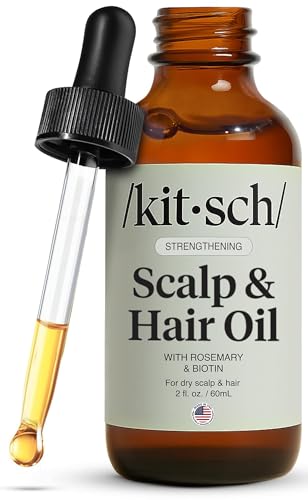
Kitsch Rosemary Oil for Hair with Castor Oil, Biotin & Jojoba (60 mL) - 4
 Check Price →
Best Pre-Wash Rosemary Oil
Briogeo Scalp Revival Rosemary Pre-Wash Oil - 5
 Check Price →
Best for Textured Hair
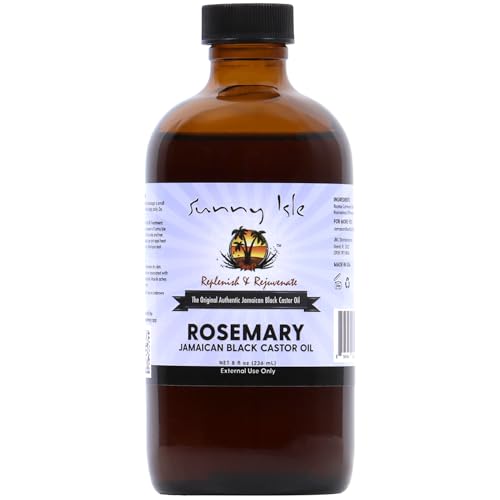
Sunny Isle Rosemary Jamaican Black Castor Oil (8 oz) - 6
 Check Price →
Best Oil-Free Option
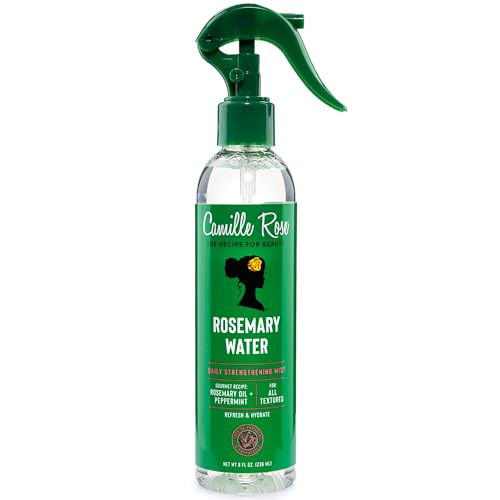
Camille Rose Rosemary Water Strengthening Hair Mist (8 oz)
The Short Version
- Rosemary oil's evidence is one small 2015 trial against 2% minoxidil with no placebo group: promising, but far weaker than the evidence for minoxidil itself.
- Plant Therapy Rosemary Essential Oil is our best overall pick: pure, well documented by the brand, and inexpensive once diluted.
- Kitsch Rosemary Oil is the best ready-to-use blend for anyone who does not want to measure drops or risk getting the dilution wrong.
- Never apply pure rosemary essential oil undiluted; around 1 to 2 percent in a carrier oil, roughly six to twelve drops per ounce, is a common scalp dilution.
- Give rosemary at least six months with monthly photos, and do not swap out minoxidil for it if minoxidil is working for you.
On This Page · 12 sections
The best rosemary oil for hair growth depends on one decision you have to make first: whether you want a pure essential oil that you dilute yourself, or a ready-made blend you can apply straight from the bottle. Pure oil is cheaper per use, lets you control the strength and is closest to what was studied, but it must be diluted before it touches your scalp. Blends are easier and safer for beginners, but you rarely know how much rosemary they contain. We rank the best of both below.
Before you buy either, it helps to know exactly what the evidence says, because rosemary oil has been oversold on social media. Its reputation comes almost entirely from one small 2015 trial that compared it with 2% minoxidil in men with pattern hair loss and found similar results after six months. That is a genuinely interesting finding. It is also a single study without a placebo group, comparing rosemary with the weaker strength of minoxidil, and it has not been confirmed by larger trials. Minoxidil remains the only over-the-counter ingredient the FDA has approved for regrowing hair.
We ranked the products on purity and transparency, how closely they match what was studied, ease and safety of use, cost per month and buyer feedback. This page is specifically about rosemary. If you want to compare rosemary with castor, pumpkin seed, jojoba and other oils, see our roundup of the best hair growth oils; for leave-on serums, see our best hair growth serum guide.
What the Rosemary Oil Study Actually Found
Almost every claim about rosemary oil and hair traces back to a single paper: a randomized trial by Panahi and colleagues, published in 2015, involving roughly 100 men with androgenetic alopecia, the common pattern type of hair loss. Half used rosemary oil on the scalp and half used 2% minoxidil solution, and the researchers measured hair counts at the start, at three months and at six months.
At three months, neither group showed a significant improvement. At six months, both groups had a significant increase in hair count compared with where they started, and the difference between the two groups was not statistically significant. Scalp itching was reported more often in the minoxidil group. That is the basis of the popular claim that rosemary oil works as well as minoxidil.
There was no placebo group, so we cannot tell how much of the change in either group came from the treatment itself.
The limitations are just as important as the result. There was no placebo group, so we cannot tell how much of the change in either group came from the treatment itself. It was a single, relatively small study that has not been confirmed by larger independent trials. And it compared rosemary with 2% minoxidil, while 5% is the standard strength for men and has been shown to work better than 2%.
The fair conclusion is that rosemary oil is a plausible, low-cost option that deserves more research, and that it may help some people modestly over six months. It is not established as equal to minoxidil, and it is certainly not a reason to stop a minoxidil routine that is working. Lab and animal studies suggest possible mechanisms, but those rarely translate neatly into results on human scalps.
Pure Rosemary Essential Oil vs. Ready-to-Use Blends
Pure rosemary essential oil is the concentrated, distilled oil of the plant. It is the cheapest option per application, it lets you control exactly how strong your scalp oil is, and it gets you closest to the kind of product that was studied. The catch is that you must dilute it in a carrier oil before it touches skin. Undiluted essential oils can burn and sensitize the skin, sometimes permanently increasing your chance of reacting to them.
Ready-to-use blends have already done the diluting for you, usually in castor, jojoba, coconut or other carrier oils. They are faster, more convenient and safer for anyone who does not want to measure drops. The downside is that very few blends disclose how much rosemary they contain, and many add fragrance, biotin or other botanicals that do more for marketing than for your hair.
If you value convenience or are new to essential oils, buy a blend.
Rosemary water and rosemary sprays are a third category. They feel light and are ideal for fine hair, but they contain much less of the oil's aromatic compounds and are the furthest from what was studied. Rosemary shampoos are further still, because they rinse off within a minute or two.
Our rule of thumb is simple. If you are comfortable mixing and want the most rosemary for your money, buy a pure oil and a carrier. If you value convenience or are new to essential oils, buy a blend. If oils of any kind weigh your hair down, rosemary water is a pleasant compromise with weaker evidence.
| Pure Essential Oil | Ready-to-Use Blend | Rosemary Water | |
|---|---|---|---|
| Needs diluting | Yes | No | No |
| Control over strength | Full | None | None |
| Closeness to the study | Closest | Uncertain | Furthest |
| Cost per use | Lowest | Moderate | Moderate |
| Feel on scalp | Depends on carrier | Medium to heavy | Light, non-greasy |
The 6 Best Rosemary Oils for Hair Growth
The list includes both pure essential oils, which must be diluted, and ready-to-use blends. They are ranked on purity and transparency, how closely they match what was studied, safety and ease of use, cost per month and buyer feedback.
Plant Therapy Rosemary Essential Oil (30 mL)
Pure Rosemary Essential Oil
Best for: People willing to dilute their own oil who want purity and transparency
- Type
- Pure essential oil
- Size
- 30 mL (1 oz)
- Dilution needed
- Yes, before scalp use
- Lasts
- Many months once diluted
Plant Therapy is one of the most established essential oil companies selling on Amazon, and it stands out for transparency: the brand publishes batch testing reports so you can see the composition of the oil you bought. For something you will be putting on your scalp several times a week for months, that kind of documentation is worth more than any marketing claim on the label.
This is pure rosemary essential oil, which means it is concentrated and must be diluted in a carrier such as jojoba or castor oil before use. Done properly, a 30 mL bottle makes a very large amount of scalp oil, so the cost per month is the lowest of any product here. You also control the strength, which matters if your scalp is sensitive.
Skip it if you know you will not bother mixing your own blend, or if you are nervous about getting the dilution right. In that case a ready-made blend like Kitsch is the safer choice. And as with any rosemary product, treat it as an experiment with modest evidence, not a replacement for minoxidil.
What We Liked
- Brand publishes batch testing, a strong sign of quality control
- Lowest cost per month once diluted
- Lets you set the strength to suit your scalp
- Closest to using rosemary oil the way it was studied
What We Didn't
- Must be diluted before it touches the scalp
- Takes a little effort to mix and store a blend
- Concentrated essential oil needs careful storage away from children and pets
The Bottom Line
The best rosemary oil if you will mix your own: pure, well documented and very cheap per application.
NOW Essential Oils Rosemary Oil, Steam Distilled (1 fl oz)
Pure Rosemary Essential Oil
Best for: Budget-minded DIYers who want a trusted pure oil at the lowest price
- Type
- Pure essential oil, undiluted
- Size
- 1 fl oz
- Process
- Steam distilled
- Dilution needed
- Yes, before scalp use
NOW is a large supplement and personal care company with a long track record, and its steam-distilled rosemary oil is the best-value pure option on this list. It does the same job as Plant Therapy's oil, a concentrated, undiluted rosemary essential oil ready for you to mix into a carrier, at a lower price for the same volume.
There is no meaningful reason to think a pricier pure rosemary oil works better for your scalp, provided it is genuine and properly stored. NOW's main trade-off against Plant Therapy is that it is less focused on publishing per-batch details for buyers. If documentation is not important to you, NOW is the cheaper way to make a blend.
Pair it with NOW's own jojoba oil and you have a simple, inexpensive home blend. Skip it if you want a ready-to-use product. Keep the cap tightly closed and store it away from heat and light, as essential oils degrade and can become more irritating as they oxidize.
What We Liked
- Lowest cost for a trusted pure rosemary oil
- Steam distilled and undiluted
- From a large, established manufacturer
What We Didn't
- Must be diluted before use
- Less batch documentation for buyers than Plant Therapy
The Bottom Line
The cheapest trustworthy way to make your own rosemary scalp oil. Same job as Plant Therapy for less.
Kitsch Rosemary Oil for Hair with Castor Oil, Biotin & Jojoba (60 mL)
Rosemary Oil Blend
Best for: Beginners who want rosemary oil without measuring or mixing
- Type
- Ready-to-use blend
- Size
- 60 mL
- Carriers
- Castor and jojoba oils
- Dilution needed
- No
Kitsch's rosemary oil is the easiest way to try rosemary on your scalp. The rosemary is already blended into castor and jojoba oils, so you can apply it straight from the bottle without worrying about getting the dilution wrong. The combination of a heavy and a light carrier gives it a medium texture that works on most hair types, and buyers like that it is easy to apply along parts.
The trade-off with any blend is that you do not know exactly how much rosemary you are getting, so it is hard to compare with the oil used in the 2015 study. The added biotin is mostly marketing; biotin applied to the scalp has no good evidence behind it. What you get is a convenient, pleasant scalp oil that delivers a sensible rosemary-in-carrier formula.
Skip it if your scalp is very oily, as the castor oil can feel heavy, or if you would rather control the rosemary strength yourself with a pure oil. Patch test first, as with any essential oil product.
What We Liked
- No mixing; safe to apply straight to the scalp
- Castor and jojoba carriers suit most hair types
- Easy to apply along parts
What We Didn't
- Hard to know exactly how much rosemary you are getting
- Biotin adds marketing appeal rather than evidence
- Can feel heavy on very oily scalps
The Bottom Line
The best grab-and-go rosemary oil. Pick it over pure oil if convenience and safety matter more than control.
Briogeo Scalp Revival Rosemary Pre-Wash Oil
Rosemary Pre-Wash Treatment
Best for: People who want rosemary in a polished pre-shampoo treatment that washes out
- Type
- Pre-wash scalp oil
- Use
- Apply, leave on, then shampoo out
- Dilution needed
- No
- Finish
- Washed out before styling
Briogeo's Scalp Revival line is one of the better-known scalp-care ranges in prestige haircare, and its rosemary pre-wash oil is designed to be massaged into a dry scalp, left on for a while and then shampooed out. That format solves the biggest complaint about rosemary oils, which is greasy roots, and makes it far easier to fit into a busy week or alongside minoxidil.
It is a moisturizing scalp treatment first and a rosemary product second, so expect a comfortable, less flaky scalp rather than dramatic changes in density. There is no published trial of this formula for hair growth, and blends rarely state their rosemary strength, so it is hard to say how it compares with the oil studied in 2015.
Skip it if budget matters; you are paying a prestige price for formulation and feel, and a pure rosemary oil plus a carrier costs far less per use. It is a strong choice if you value the experience and want something that will not leave your hair oily.
What We Liked
- Pre-wash format avoids greasy roots
- Easy to combine with a minoxidil routine
- Comfortable, moisturizing feel on dry scalps
What We Didn't
- Prestige price per use
- Hard to compare its rosemary strength with the study
- No direct evidence for this formula
The Bottom Line
The most convenient rosemary oil to live with if you hate oily roots. You pay a premium for the polish.
Sunny Isle Rosemary Jamaican Black Castor Oil (8 oz)
Rosemary Castor Oil Blend
Best for: Curly, coily and dry hair that benefits from a rich, sealing rosemary oil
- Type
- Ready-to-use blend
- Size
- 8 oz
- Base
- Jamaican black castor oil
- Dilution needed
- No
Sunny Isle is one of the longest-standing Jamaican black castor oil brands, and its rosemary version combines the thick, sealing JBCO base with rosemary for scalp use. For curly, coily and dry hair, that rich texture is an advantage: it seals moisture into the hair and makes scalp massage easier, and the large bottle lasts a long time.
Be clear-eyed about the evidence. Castor oil has no good trial evidence for growth, and blends like this rarely state their rosemary strength, so this is not a like-for-like match with the 2015 study. Its real value is in protecting textured hair from dryness and breakage, which helps with length retention, with rosemary added for those who want to try it.
Skip it if you have fine hair or an oily scalp; it is heavy and needs thorough washing out. If you are losing hair at the edges and wear tight styles, consider traction alopecia, which needs reduced tension rather than any oil.
What We Liked
- Rich JBCO base seals moisture into textured hair
- Large 8 oz bottle at a low price
- Long-established, trusted brand
What We Didn't
- Heavy and hard to wash out
- Hard to compare its rosemary strength with the study
- Not suited to fine hair or oily scalps
The Bottom Line
A rich, affordable rosemary option for curly and coily hair. Buy it for moisture and length retention first.
Camille Rose Rosemary Water Strengthening Hair Mist (8 oz)
Rosemary Water Spray
Best for: Fine hair or oily scalps that cannot tolerate oils at all
- Type
- Water-based mist
- Size
- 8 oz
- Feel
- Light, non-greasy
- Dilution needed
- No
Rosemary water has become a popular alternative to rosemary oil, and Camille Rose's strengthening mist is a well-known version from an established natural haircare brand. It sprays on light and leaves no greasy residue, which makes it the only option here that suits people whose fine hair goes flat with any oil, or whose scalp gets oily quickly.
The important caveat is that rosemary water is not the same thing as rosemary essential oil. The 2015 trial studied an oil preparation, and water-based rosemary products contain far smaller amounts of the oil's aromatic compounds. Rosemary water has essentially no direct evidence for hair growth; think of it as a pleasant, refreshing scalp mist.
Skip it if your main goal is to replicate the rosemary study as closely as possible; a diluted pure oil gets you much closer. Choose it if comfort and a lightweight feel are what will keep you consistent.
What We Liked
- Oil-free and lightweight, ideal for fine hair
- Easy, quick daily application
- From an established natural haircare brand
What We Didn't
- Rosemary water has essentially no growth evidence
- Far less rosemary oil content than a diluted essential oil
The Bottom Line
The best choice if oils weigh your hair down, but the furthest from what the rosemary study tested.
How to Dilute Rosemary Oil Safely
For use on the scalp, a common dilution guideline is around 1 to 2 percent essential oil in a carrier. In practical terms, that is roughly six to twelve drops of rosemary essential oil per ounce, about 30 mL, of carrier oil, or one to two drops per teaspoon. Start at the low end, especially if you have sensitive skin, and only increase if your scalp tolerates it well.
Choose a carrier that suits your hair. Jojoba is light and good for fine hair or oily scalps; castor oil is thick and suits dry, coarse or textured hair; many people mix the two. Pumpkin seed and argan oil are other medium-weight options. Mix the blend in a clean, dark glass bottle with a dropper, label it, and make small batches so it stays fresh.
Start at the low end, especially if you have sensitive skin
Patch test every new blend. Apply a small amount to the inner arm or behind the ear and wait 24 to 48 hours. If you notice redness, itching, burning or bumps, do not use it on your scalp. A reaction to a diluted blend usually means you should stop using that essential oil altogether, not just dilute it more.
Store essential oils tightly capped, away from heat and light, and out of reach of children and pets. Oils that have been open for a long time can oxidize, and oxidized oils are more likely to cause skin reactions. If a bottle smells noticeably different from when you bought it, replace it.
How to Use Rosemary Oil: Routine and Timeline
Apply your diluted oil or blend directly to the scalp, not the hair. Part the hair in sections, place a few drops along each part, and massage gently with your fingertips for a few minutes. Massage is pleasant and may help in its own right, and it spreads the oil evenly over the area you are treating.
In the 2015 study, rosemary was applied regularly over six months, so consistency matters more than amount. Many people use it every day or most days, leaving it on for a few hours or overnight before washing; others prefer two or three sessions a week as a pre-wash treatment. Choose a schedule you will genuinely keep, and use a clarifying shampoo every week or two if buildup becomes an issue.
A fair verdict on rosemary takes at least six months of regular use.
Be patient. In the trial, neither group showed meaningful change at three months. A fair verdict on rosemary takes at least six months of regular use. Take photos of your part, hairline or crown in the same lighting before you start and once a month, because the changes are too slow to judge in the mirror.
If you see nothing at six months, it is time to move on. If your hair loss is pattern loss and is progressing, the treatments with the strongest evidence are minoxidil and, for men, prescription finasteride. A dermatologist can help you decide which suits you.
Rosemary Oil vs. Minoxidil: Should You Switch?
If minoxidil is working for you, do not swap it for rosemary oil. Stopping minoxidil typically leads to the hair it was supporting shedding over the following months, and rosemary's evidence is nowhere near strong enough to justify that risk. The one trial compared rosemary with the 2% strength, not the 5% strength most men use.
Rosemary makes the most sense in three situations. First, if minoxidil irritates your scalp even in a propylene glycol-free foam. Second, if you want a drug-free option and accept weaker evidence. Third, as an add-on to an existing routine for people who enjoy the ritual of scalp massage.
If minoxidil is working for you, do not swap it for rosemary oil.
If you combine them, keep them separate. Minoxidil works best on a clean, dry scalp, so either use rosemary oil as a pre-wash treatment and apply minoxidil after washing and drying, or apply rosemary at a different time of day once minoxidil has absorbed. Never mix rosemary or other essential oils into a minoxidil bottle.
For women, the same logic applies. Women's 5% minoxidil foam is FDA-approved for female pattern hair loss and has much stronger evidence than rosemary. If you are pregnant, breastfeeding or planning a pregnancy, minoxidil is not recommended, and you should check any essential oil use with your doctor too.
Rosemary Oil Safety: Who Should Be Careful
Rosemary oil is well tolerated by most people when properly diluted, but it is a potent plant extract. The most common problems are scalp irritation and allergic contact dermatitis, more likely with undiluted oil, high concentrations, oxidized old oil or frequent use on broken skin. Stop if you develop itching, redness, burning or flaking that was not there before.
Some groups should take extra care. Rosemary essential oil contains compounds such as camphor and 1,8-cineole, and it is traditionally avoided by people with epilepsy or a history of seizures. Pregnant and breastfeeding people should check with their doctor before using concentrated essential oils. Keep essential oils away from the faces of young children.
Rosemary oil is well tolerated by most people when properly diluted, but it is a potent plant extract.
Keep rosemary away from your eyes, and wash your hands after applying it. Do not apply it to broken, sunburned or inflamed skin, or right after microneedling, when the skin absorbs far more than usual. Store bottles away from pets; many essential oils are toxic to cats, which are especially sensitive.
Finally, use rosemary only for the kind of hair loss it might plausibly help. Sudden shedding, patchy bald spots, scaling, pain or redness, and hair loss with symptoms such as fatigue or weight change need a doctor, because they often have causes like alopecia areata, thyroid problems or low iron that no oil will fix.
Compared Side by Side
| Product | Type | Needs Diluting | Weight | Best For |
|---|---|---|---|---|
| Plant Therapy Rosemary Oil | Pure essential oil | Yes | Depends on carrier | DIY blends, transparency |
| NOW Rosemary Oil | Pure essential oil | Yes | Depends on carrier | Lowest-cost DIY |
| Kitsch Rosemary Oil | Ready-to-use blend | No | Medium | Beginners |
| Briogeo Rosemary Pre-Wash Oil | Pre-wash blend | No | Medium | Avoiding oily roots |
| Sunny Isle Rosemary JBCO | Castor blend | No | Heavy | Textured hair |
| Camille Rose Rosemary Water | Water-based mist | No | Light | Fine hair, oily scalps |
Ready to Buy? Our Picks Again
- 1Check Price →
Best Overall
Plant Therapy Rosemary Essential Oil (30 mL) - 2Check Price →
Best Value Pure Oil
NOW Essential Oils Rosemary Oil, Steam Distilled (1 fl oz) - 3Check Price →
Best Ready-to-Use Blend
Kitsch Rosemary Oil for Hair with Castor Oil, Biotin & Jojoba (60 mL) - 4Check Price →
Best Pre-Wash Rosemary Oil
Briogeo Scalp Revival Rosemary Pre-Wash Oil - 5Check Price →
Best for Textured Hair
Sunny Isle Rosemary Jamaican Black Castor Oil (8 oz) - 6Check Price →
Best Oil-Free Option
Camille Rose Rosemary Water Strengthening Hair Mist (8 oz)
Common Mistakes to Avoid
Using Pure Rosemary Oil Undiluted
Pure essential oil applied straight to the scalp can cause burning, blistering and allergic reactions that make you sensitive to rosemary for good. Always dilute pure oil, at roughly six to twelve drops per ounce of carrier, or buy a ready-made blend. More rosemary is not better; it is just more irritating.
Stopping Minoxidil to Try Rosemary
The rosemary trial compared it with 2% minoxidil, had no placebo group and has not been confirmed by larger studies. If minoxidil is working, stopping it usually means losing the hair it was supporting. Add rosemary separately if you want to try it, rather than swapping a proven treatment for an unproven one.
Giving Up at Six Weeks
In the study, neither rosemary nor minoxidil showed meaningful change at three months. Judging rosemary after a few weeks guarantees disappointment. Commit to at least six months of regular use, take monthly photos in the same lighting, and only then decide whether it is worth continuing.
Assuming Rosemary Water Is the Same as Rosemary Oil
Rosemary water and sprays are pleasant and lightweight, but they contain far less of the oil's active compounds than a diluted essential oil. If your aim is to try what was studied, a properly diluted oil is much closer. Use rosemary water if oils weigh your hair down, with lower expectations.
Ignoring an Itchy Scalp
New itching, redness or flaking after starting rosemary is a sign of irritation or allergy, not of the oil working. Inflammation can worsen shedding. Stop using it, let your scalp settle, and if you want to try again, use a lower dilution after a fresh patch test, or choose another approach.
Frequently Asked Questions
What is the best rosemary oil for hair growth?
If you are happy to dilute it yourself, Plant Therapy Rosemary Essential Oil is the best rosemary oil for hair growth thanks to its purity and batch documentation. If you would rather not mix anything, Kitsch Rosemary Oil is the best ready-to-use blend. Either way, rosemary's evidence is promising but limited.
Does rosemary oil really work as well as minoxidil?
One small 2015 trial found rosemary oil and 2% minoxidil produced similar hair count increases at six months. But it had no placebo group, compared rosemary with the weaker 2% strength rather than 5%, and has not been confirmed by larger trials. It is not established as equal to minoxidil.
How do I dilute rosemary oil for my scalp?
A common scalp dilution is around 1 to 2 percent, which is roughly six to twelve drops of rosemary essential oil per ounce of carrier oil such as jojoba or castor. Start at the lower end, patch test for 24 to 48 hours, and never apply pure essential oil directly to the skin.
How long does rosemary oil take to grow hair?
Expect to wait at least six months. In the 2015 trial, neither rosemary nor minoxidil showed meaningful change at three months, and improvements appeared at six months. Use it regularly, take monthly photos in the same lighting, and reassess after six months rather than after a few weeks.
Can I leave rosemary oil in my hair overnight?
Yes, a properly diluted rosemary oil can be left on overnight if your scalp tolerates it. Protect your pillowcase and wash it out in the morning. If you have an oily scalp or fine hair, a pre-wash treatment of a few hours may suit you better and cause less buildup.
Can I use rosemary oil with minoxidil?
Yes, but apply them separately. Use rosemary as a pre-wash treatment and apply minoxidil to a clean, dry scalp afterward, or use them at different times of day. Never mix essential oils into your minoxidil, and do not stop minoxidil to try rosemary if minoxidil is working.
Who should not use rosemary oil?
People with epilepsy or a seizure history, pregnant or breastfeeding people, and anyone with a known allergy to rosemary should avoid it or check with a doctor first. Do not apply it to broken or inflamed skin, keep it away from the eyes and young children's faces, and store it away from pets.
The Bottom Line
Rosemary oil is a reasonable, low-cost experiment with one small but interesting trial behind it, not a proven alternative to minoxidil. Plant Therapy's pure oil is the best pick if you will dilute it yourself, and Kitsch's blend is the easiest ready-to-use option. Dilute properly, patch test, and give it at least six months.
More Buyer's Guides
Hair Growth & Hair Loss
Best Hair Growth Oil
Oils are excellent at protecting hair from breakage and pleasant for scalp massage, but the evidence that any oil regrows hair is thin. Here is how to pick one that suits your hair, and what to expect from it.
Hair Growth & Hair Loss
Best Hair Growth Serum
Drug-free scalp serums can make hair look fuller and support a healthier scalp, but none of them is an FDA-approved regrowth treatment. Here is which ones are worth the money, and when you should be buying minoxidil instead.
Hair Growth & Hair Loss
Best Minoxidil for Men
Every product here contains 5% minoxidil, the only topical hair regrowth drug the FDA has approved for men. What separates them is the vehicle, the irritation risk, and what you pay per month for the next decade.
Hair Growth & Hair Loss
Best Minoxidil for Women
Minoxidil is the only topical drug the FDA has approved to regrow hair in women. It comes in two women's forms, a 2% solution used twice a day and a 5% foam used once, and the choice between them matters more than the brand on the box.
Hair Care
Best Scalp Massager
A good scalp massager costs less than a coffee, feels great, and helps you clean your scalp properly. Whether it grows hair is a much smaller question than the marketing suggests, and the honest answer shapes which one you should buy.