Our Picks at a Glance
- 1
 Check Price →
 - 2
 Check Price →
Best Premium Pick for Dry Hair
Pureology Hydrate Shampoo for Dry Hair, Sulfate-Free - 3
 Check Price →
Best Budget Pick
OGX Renewing + Argan Oil of Morocco Shampoo (13 fl oz) - 4
 Check Price →
Best for Bleached & Damaged Hair
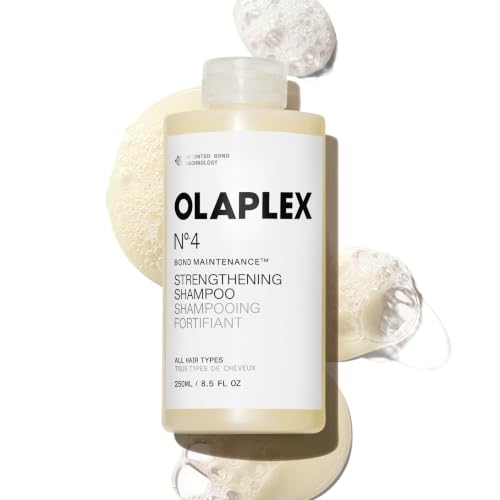
Olaplex N°.4 Bond Maintenance Strengthening Shampoo (250 mL) - 5
 Check Price →
Best for Curly Hair
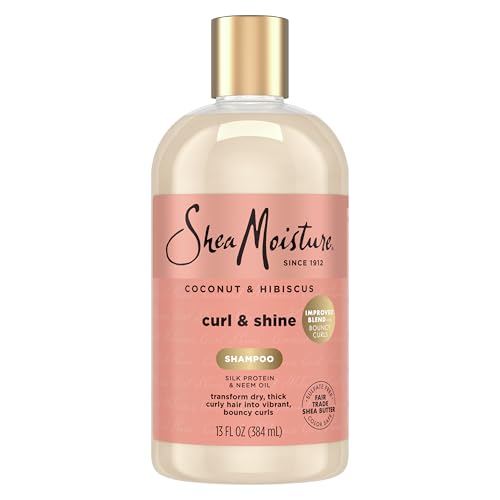
SheaMoisture Coconut & Hibiscus Curl & Shine Shampoo (13 oz) - 6
 Check Price →
Best Clean-Beauty Pick
Briogeo Don't Despair, Repair! Super Moisture Shampoo - 7
 Check Price →
Best Shampoo + Conditioner Set
Native Coconut & Vanilla Shampoo and Conditioner Set, Sulfate & Dye Free (2-Pack)
The Short Version
- Sulfates are effective, safe detergents. Going sulfate-free is about comfort for dry, curly, bleached, keratin-treated or sensitive hair, not about avoiding a toxin.
- Kristin Ess The One Signature Shampoo is our best overall pick: affordable, color-safe, gentle enough for daily use and still lightly clarifying.
- OGX Argan Oil of Morocco is the best budget pick, and Pureology Hydrate is the premium choice for very dry or colored hair.
- "Sulfate-free" does not guarantee mild. Some replacements clean almost as hard, and fragrance or certain surfactants can still irritate a sensitive scalp.
- Expect less lather and occasional buildup. A clarifying wash every few weeks keeps a sulfate-free routine working.
On This Page · 12 sections
The best sulfate-free shampoo cleans your scalp properly while removing less of the natural oil and conditioning that keeps hair soft. That is the whole job, and it is narrower than the marketing suggests. Sulfates such as sodium lauryl sulfate and sodium laureth sulfate are efficient, inexpensive detergents that have been used safely in shampoo for decades. They are not poisons, they do not cause hair loss, and plenty of people with normal or oily hair are perfectly happy with them. But they clean aggressively, and for hair that is already dry, curly, bleached, chemically straightened or attached to a sensitive scalp, a milder surfactant system usually feels better wash after wash.
This guide is about choosing a gentle everyday cleanser for those hair types. It is not the same question as our sister guides. If your main goal is stopping dye from fading, our guide to the best shampoo for color-treated hair ranks color-specific formulas. If your scalp is itchy or flaky, the best shampoo for itchy scalp guide matches active ingredients to the cause. And if oil is your problem, sulfate-free may be the wrong direction entirely; see the best shampoo for oily hair. Here, the focus is the base: what cleans your hair, how gently, and what it leaves behind.
We ranked the products below on the gentleness of their cleansing systems as described by each brand and listing, how well they suit dry, curly, fine and treated hair, whether they still leave the scalp genuinely clean, value per ounce, and consistent patterns in verified buyer feedback. This is a research-based ranking, not lab testing, and every pick links to its exact Amazon listing.
What Sulfates Actually Do in Shampoo
Every shampoo is built around surfactants: molecules with one end that grabs oil and one end that loves water. They surround sebum, dirt and product residue so it rinses away. Sulfates are one family of surfactants, and the two you will see most are sodium lauryl sulfate (SLS) and sodium laureth sulfate (SLES). They became the standard because they are cheap, produce rich lather, and remove oil very efficiently.
That efficiency is the issue for some hair. A strong detergent does not distinguish between excess oil you want gone and the light layer of natural lipids that keeps the hair cuticle smooth and the scalp barrier comfortable. On hair that is already dry or porous, removing that layer every wash leads to roughness, tangling and frizz. On a sensitive scalp, it can contribute to tightness and itch. SLS in particular is such a reliable irritant that dermatology researchers use it to deliberately provoke irritation in skin studies.
SLES is generally milder than SLS.
SLES is generally milder than SLS. The ethoxylation process that turns one into the other makes the molecule less irritating, which is why most mainstream shampoos use SLES or blend it with gentler co-surfactants. A well-formulated sulfate shampoo with conditioning agents can be perfectly comfortable, and the dose and contact time matter as much as the ingredient.
Sulfate-free shampoos replace these with milder cleansers such as sodium cocoyl isethionate, sodium lauroyl methyl isethionate, cocamidopropyl betaine, glucosides or amino acid-based surfactants. These generally remove less oil and produce less foam. That is a feature for dry and curly hair, and a drawback for very oily scalps, which is why sulfate-free is a choice to match to your hair rather than a universal upgrade.
Who Benefits From Going Sulfate-Free (and Who Doesn't)
Curly and coily hair is the clearest winner. Natural oils travel down a spiral strand less easily than a straight one, so the lengths of curly hair are naturally drier, and a harsh wash makes frizz and breakage worse. Most curl-focused routines start with a gentle or sulfate-free cleanser for exactly this reason.
Color-treated, bleached and chemically straightened hair also tends to do better. Processed hair has a more porous, damaged cuticle that loses moisture quickly, and stylists routinely recommend sulfate-free shampoo after keratin smoothing treatments to help them last. Color fading has many causes beyond sulfates, which we cover in our color-treated hair guide, but a gentler wash is a sensible part of the picture.
People with sensitive skin, eczema or a scalp that feels tight after washing may find a sulfate-free base more comfortable, though they also need to watch fragrance and certain replacement surfactants. Dry hair from heat styling, sun or age often feels softer on a gentle shampoo too.
Who does not need it? People with oily scalps, fine hair that goes flat quickly, or heavy use of waxes, pomades and dry shampoo often get a better result from a conventional shampoo, at least some of the time. If your hair feels great on a regular shampoo, there is no health reason to switch.
| Sulfate-free helps? | Why | |
|---|---|---|
| Curly or coily hair | Yes, strongly | Lengths are naturally dry and frizz-prone |
| Color-treated or bleached | Yes | Porous hair loses moisture fast |
| Keratin-smoothed hair | Yes | Commonly advised to extend the treatment |
| Sensitive or eczema-prone scalp | Often | Milder base; still check fragrance |
| Oily scalp, fine hair | Often not | May not remove enough oil |
| Normal hair, no complaints | Optional | No health reason to switch |
The 7 Best Sulfate-Free Shampoos
Every pick below uses a cleansing system without sodium lauryl or laureth sulfate, according to its brand or listing. They are ranked on gentleness, how clean they leave the scalp, which hair types they suit, and value, so you can match one to your hair rather than to a trend.
Kristin Ess The One Signature Sulfate-Free Shampoo with Avocado Oil
Sulfate-Free Daily Shampoo
Best for: Most people switching to sulfate-free who want a gentle daily wash that still feels clean
- Sulfate-free
- Yes (per listing)
- Color-safe
- Yes (per listing)
- Key extras
- Avocado oil (per listing)
- Best hair types
- Most; normal to dry
Kristin Ess The One Signature Shampoo is the sulfate-free shampoo we would hand to most people making the switch. The listing describes a sulfate-free, vegan, paraben-free and color-safe formula with avocado oil, pitched for moisture, softness and shine while still being lightly clarifying. That last part matters. A common complaint about gentle shampoos is that hair never feels fully clean, and buyer feedback on this one repeatedly describes a proper clean without the squeaky, stripped feel of a sulfate wash.
It sits in the sweet spot of the category: drugstore pricing, wide availability, and a formula balanced enough for daily or every-other-day use on straight, wavy and color-treated hair. It pairs well with the matching conditioner, though any conditioner will do. Because it is lightly clarifying, it also reduces the slow buildup that some richer sulfate-free shampoos cause over time.
Skip it if your hair is very coarse, tightly curled or extremely dry; a richer formula such as SheaMoisture or Pureology Hydrate will feel more nourishing. People sensitive to fragrance should also check the label, since this line is scented.
What We Liked
- Gentle enough for frequent washing yet still leaves hair feeling clean
- Labeled sulfate-free, color-safe, vegan and paraben-free
- Lightly clarifying, so less buildup than richer sulfate-free formulas
- Affordable and easy to find in stores and online
What We Didn't
- Not rich enough for very dry, coarse or tightly coiled hair
- Scented, which will not suit fragrance-sensitive scalps
- Lather is lighter than most people expect from a drugstore shampoo
The Bottom Line
The easiest sulfate-free switch for most hair: gentle, clean-feeling and fairly priced.
Pureology Hydrate Shampoo for Dry Hair, Sulfate-Free
Sulfate-Free Moisturizing Shampoo
Best for: Dry, medium-to-thick hair, especially if it is also colored, that wants a richer wash
- Sulfate-free
- Yes (per listing)
- Purpose
- Moisturizing for dry hair
- Concentration
- Small amount per wash (brand guidance)
- Fine-hair version
- Hydrate Sheer (sold separately)
Pureology built its brand on sulfate-free shampoo long before the label became a supermarket buzzword, and Hydrate is its flagship moisturizing formula. It is designed for dry hair and, like the rest of the line, for color-treated hair, with a creamy texture that cleans gently and leaves hair noticeably softer than a typical drugstore wash. Buyer feedback consistently praises how manageable dry, frizzy hair feels after using it.
The price is the obvious objection, and it is a fair one. Pureology positions its shampoos as concentrated, meaning a small amount should be enough, which softens the cost per wash somewhat. Still, you are paying for a premium formula and brand. For people whose hair is genuinely dry or chemically processed, many find the difference worth it; for people with normal hair, a cheaper pick on this list will do the same basic job.
Skip the standard Hydrate if your hair is fine or gets weighed down easily. Pureology sells a Hydrate Sheer version for fine hair, and a lighter formula like Kristin Ess will usually suit fine hair better at a fraction of the price.
What We Liked
- Rich, gentle formula that leaves dry hair soft and manageable
- From a brand with a long sulfate-free track record
- Designed with color-treated hair in mind
- A little goes a long way, according to the brand
What We Didn't
- Expensive per ounce compared with drugstore options
- Can weigh down fine or oily hair
- Distinctive fragrance is not for everyone
The Bottom Line
The premium sulfate-free pick for dry or processed hair. Worth it if your hair is genuinely parched.
OGX Renewing + Argan Oil of Morocco Shampoo (13 fl oz)
Sulfate-Free-Surfactant Shampoo
Best for: Budget buyers with dry or damaged hair who want sulfate-free cleansing at drugstore prices
- Cleansers
- Sulfate-free surfactants (per listing)
- Paraben-free
- Yes (per listing)
- Key extras
- Argan oil
- Scent
- Strong, signature fragrance
OGX Renewing + Argan Oil of Morocco is one of the most widely sold sulfate-free shampoos in the US, and it earned that position on value. The listing describes a damage-repairing shampoo with argan oil, made with sulfate-free surfactants and no parabens. In practice it gives a gentle, moderately creamy wash that leaves dry, frizz-prone hair smoother than a basic sulfate shampoo, at a price that makes the switch nearly free.
Note the wording. OGX says sulfate-free surfactants rather than simply sulfate-free, which is a more precise claim; it means the main cleansers are not sulfates. That is what matters for gentleness. The argan oil is a conditioning extra rather than a treatment, and it will not repair damaged hair in any structural sense, but it contributes to the soft finish people like.
Skip it if you are sensitive to fragrance. The scent is strong and lingers, which buyers either love or find overwhelming, and fragrance is one of the most common causes of scalp irritation. People with fine hair may also find it slightly heavy if used every day.
What We Liked
- Lowest cost per wash among our picks
- Cleansing system is built on sulfate-free surfactants
- Leaves dry, frizzy hair noticeably smoother
- Available almost everywhere, often in larger value sizes
What We Didn't
- Heavy fragrance can irritate sensitive scalps
- Can feel weighty on fine hair with daily use
- Repair claims are cosmetic, not structural
The Bottom Line
The cheapest good way to go sulfate-free. Skip it only if strong fragrance bothers you.
Olaplex N°.4 Bond Maintenance Strengthening Shampoo (250 mL)
Sulfate-Free Bond-Care Shampoo
Best for: Bleached, highlighted or heat-damaged hair that breaks easily
- Sulfate-free
- Yes (per brand)
- Feature
- Olaplex bond-building technology
- Size
- 250 mL
- Fine-hair version
- N°.4FINE (sold separately)
Olaplex N°.4 is the daily shampoo from the brand that made bond-building a salon staple. It is a sulfate-free, color-safe formula that includes Olaplex's patented bond-building ingredient and is aimed squarely at hair damaged by bleach, chemical services and heat. Buyer feedback from people with lightened hair often describes softer, less tangly hair and fewer snapped ends after switching.
Be realistic about what a shampoo can do. Olaplex's strongest bond-building claims come from its in-salon and pre-shampoo treatments, which stay on the hair longer. A rinse-off shampoo has seconds of contact, and the independent evidence for bond-building ingredients in shampoo form is limited; most of the data comes from the manufacturer. What N°.4 reliably delivers is a gentle sulfate-free wash that is kind to fragile hair, which is valuable on its own.
Skip it if your hair is healthy or untreated; you are paying for technology you do not need. Also note that Olaplex sells a separate N°.4C, which is a clarifying shampoo for occasional deep cleaning, not a daily gentle wash.
What We Liked
- Gentle sulfate-free wash suited to fragile, lightened hair
- Part of a widely used bond-care system
- Buyers report softer, less tangled hair
- Fine-hair version available
What We Didn't
- Expensive for a rinse-off product
- Bond-repair evidence for shampoo form is mostly from the brand
- Unnecessary for healthy, unprocessed hair
The Bottom Line
A strong choice for bleached or damaged hair, as long as you see it as gentle care rather than a repair cure.
SheaMoisture Coconut & Hibiscus Curl & Shine Shampoo (13 oz)
Sulfate-Free Curl Shampoo
Best for: Wavy, curly and coily hair that needs moisture and frizz control from the first step
- Sulfate-free
- Yes (per brand listing)
- Paraben-free
- Yes (per listing)
- Key extras
- Coconut oil, shea butter, hibiscus
- Best hair types
- Thick, curly to coily
SheaMoisture's Coconut & Hibiscus Curl & Shine Shampoo is a long-standing favorite for curly hair, and for good reason. Curly and coily strands are more prone to dryness because natural oils travel down a spiral less easily than a straight strand, and a sulfate wash can leave curls rough and frizzy. This sulfate-free formula cleans gently while leaving hair soft enough to detangle, which buyers with thick curls consistently highlight.
It fits the gentle-cleansing approach many curly routines are built on, and it is affordable enough to use generously. It works best followed by a rich conditioner and a leave-in, and our guide to the best hair products for curly hair covers the stylers that pair with it.
Skip it if your hair is fine or only slightly wavy. The rich butters and oils can weigh down looser waves and leave fine hair limp or greasy at the roots. Buyers also note the fragrance is strong. As with any butter-rich routine, plan an occasional clarifying wash to clear buildup.
What We Liked
- Gentle enough to keep curls from turning dry and frizzy
- Leaves thick hair soft and easier to detangle
- Affordable and widely available
- Pairs well with the brand's curl conditioners and stylers
What We Didn't
- Too rich for fine hair or loose waves
- Strong fragrance
- Butters can build up without occasional clarifying
The Bottom Line
The best everyday sulfate-free shampoo for thick, curly hair. Fine hair should look elsewhere.
Briogeo Don't Despair, Repair! Super Moisture Shampoo
Sulfate-Free Moisture Shampoo
Best for: Dry, damaged hair in buyers who prefer clean-beauty formulations
- Sulfate-free
- Yes (brand positioning)
- Purpose
- Moisture for dry, damaged hair
- Line
- Pairs with Don't Despair, Repair! mask
- Style
- Clean-beauty brand
Briogeo's Don't Despair, Repair! Super Moisture Shampoo is a moisturizing, sulfate-free wash from a brand built around clean-beauty positioning, meaning it avoids a list of ingredients many shoppers prefer to skip. It belongs to the same line as Briogeo's well-known Don't Despair, Repair! deep conditioning mask, and it is designed to clean dry, damaged hair without making it feel more brittle.
Buyer feedback is generally positive about softness and the pleasant, light feel. It is a reasonable choice for people who want their whole routine to follow clean-beauty standards. Be clear about what that label means, though: clean beauty is a marketing category, not a safety standard, and "clean" products can still contain plant extracts or fragrance that irritate a sensitive scalp.
Skip it if value is your priority. It costs more than OGX or Kristin Ess without doing anything fundamentally different, and Pureology Hydrate is the stronger premium pick for very dry hair. Check the listing for size before buying, since sizes vary.
What We Liked
- Gentle moisturizing wash for dry, damaged hair
- Follows clean-beauty ingredient standards
- Pairs with a well-regarded repair mask
What We Didn't
- Pricier than drugstore sulfate-free options
- "Clean" does not mean less likely to irritate
- Sizes vary between listings
The Bottom Line
A good choice if clean-beauty standards matter to you; otherwise cheaper picks do the same job.
Native Coconut & Vanilla Shampoo and Conditioner Set, Sulfate & Dye Free (2-Pack)
Sulfate-Free Shampoo & Conditioner
Best for: People who want a simple, matched sulfate-free shampoo and conditioner in one order
- Sulfate-free
- Yes (per listing)
- Dye-free
- Yes (per listing)
- Includes
- Shampoo + conditioner
- Labeled for
- All hair types, color-treated
Native, better known for its deodorant, sells a hair care line built on short, approachable ingredient lists, and this coconut and vanilla set pairs a sulfate-free, dye-free shampoo with a matching conditioner. The listing positions it for all hair types, including color-treated, fine and dry damaged hair, and buyers tend to praise the clean feel and the scent.
The appeal is simplicity. If you are moving from a standard sulfate shampoo and do not want to research individual products, buying a matched pair from a mainstream brand is an easy way to start. The shampoo is mild and the conditioner light enough for most hair, which is why it suits a broad audience rather than any one specialist need.
Skip it if you have a sensitive or allergy-prone scalp, because the scented formulas are not designed to be fragrance-free; Native sells other variants, so check the label. People with thick, very dry or tightly curled hair will usually prefer the richer SheaMoisture or Pureology formulas.
What We Liked
- Matched sulfate-free shampoo and conditioner in one purchase
- Labeled dye-free and suitable for color-treated hair
- Light enough for most hair types
What We Didn't
- Scented, so not ideal for sensitive scalps
- Not rich enough for very dry or coily hair
- Buying as a set limits flexibility if you only need shampoo
The Bottom Line
An easy, mainstream way to switch your whole wash routine to sulfate-free.
Sulfate-Free Does Not Always Mean Gentle: Reading the Label
The sulfate-free label tells you what is missing, not what replaced it. Some replacements are genuinely mild, such as isethionates and amino acid-based surfactants. Others, like sodium C14-16 olefin sulfonate, are not technically sulfates but clean nearly as hard. A shampoo can honestly say sulfate-free and still feel stripping, so the first two or three ingredients after water tell you more than the front of the bottle.
Gentle surfactants are not automatically non-irritating either. Cocamidopropyl betaine, one of the most common sulfate-free cleansers, has been named Allergen of the Year by the American Contact Dermatitis Society, largely because of impurities left from manufacturing. Alkyl glucosides such as decyl and coco-glucoside, popular in natural and clean-beauty formulas, have received the same designation. Most people tolerate both without trouble, but if a sulfate-free shampoo makes your scalp itch, the surfactant itself could be the problem.
The sulfate-free label tells you what is missing, not what replaced it.
Fragrance is the bigger culprit for most people with sensitive skin. Many sulfate-free shampoos are heavily scented, and fragrance mixes and essential oils are among the most frequent causes of allergic contact dermatitis from cosmetics. If your goal in going sulfate-free is a calmer scalp, look for a fragrance-free option; our guide to the best shampoo for itchy scalp lists several.
Finally, watch for heavy conditioning agents. Many sulfate-free shampoos contain oils, butters, silicones or polymers to make up for the softer cleanse. That is lovely on dry hair, but because a mild cleanser removes less, those ingredients can accumulate over weeks, which leads directly to the buildup problem we cover below.
| Sulfate? | Typical strength | |
|---|---|---|
| Sodium lauryl sulfate (SLS) | Yes | Strong; irritating at high levels |
| Sodium laureth sulfate (SLES) | Yes | Strong but milder than SLS |
| Sodium C14-16 olefin sulfonate | No | Strong, close to sulfates |
| Cocamidopropyl betaine | No | Mild; occasional allergen |
| Isethionates (e.g. sodium cocoyl isethionate) | No | Mild |
| Glucosides (decyl, coco-glucoside) | No | Mild; occasional allergen |
Do Sulfates Cause Hair Loss? What the Evidence Says
This is the claim that drives a lot of sulfate-free sales, and it does not hold up. There is no good evidence that sulfates in rinse-off shampoo cause hair loss, damage hair follicles, or lead to pattern baldness. Follicles sit several millimeters below the skin surface, and a shampoo is on the scalp for a minute or two before it is rinsed away.
Hair loss has well-understood main causes: androgenetic alopecia, driven by genetics and hormones; telogen effluvium after illness, stress, childbirth or rapid weight loss; nutritional problems such as iron deficiency; thyroid disease; and inflammatory scalp conditions. None of these is caused by your shampoo's detergent. If you are noticing thinning, switching shampoos will not address it, and our guides to hair loss stages and treatments are a better place to start.
There is no good evidence that sulfates in rinse-off shampoo cause hair loss
Where shampoo choice does matter is breakage. Hair that snaps along the length looks thinner and makes ponytails smaller, and dry, rough hair breaks more easily during brushing and styling. A gentler wash plus a good conditioner can reduce that kind of breakage, which is a real cosmetic benefit, just not the same as preventing hair loss from the root.
Sulfates can also aggravate an already irritated scalp, and a chronically inflamed scalp is not a healthy environment for hair. If you have dermatitis or a very sensitive scalp, a gentle shampoo is part of looking after it. But the evidence-based fix for hair loss remains treatments like minoxidil, which is the only topical drug the FDA has approved for regrowing hair.
Switching to Sulfate-Free: Lather, Buildup and the Adjustment Period
The first surprise for most people is the lather. Sulfates produce big, dense foam, and many people unconsciously equate foam with cleaning. Milder surfactants foam less, especially on the first lather when there is more oil on the scalp. Less foam does not mean your hair is not getting clean; it means the cleanser is gentler. A small amount of water worked in, or a second short lather, usually solves it.
Focus the shampoo on the scalp, where oil and residue actually collect, and let the rinse run through the lengths. Massaging with your fingertips for thirty seconds or so does more than adding product. Most sulfate-free shampoos are designed to be used in modest amounts, and more product mostly means more residue.
Less foam does not mean your hair is not getting clean
You may read that hair needs a few weeks to adjust because the scalp is overproducing oil after years of harsh washing. There is little evidence for that rebound idea. What people more often notice is that the gentler shampoo removes less of their styling product and conditioner, so hair can feel slightly heavier until they adjust how much product they use.
Buildup is the real long-term issue. Because sulfate-free cleansers remove less, silicones, butters, oils and dry shampoo can accumulate, leaving hair limp, dull and slow to dry. The fix is simple: use a clarifying shampoo every two to four weeks, or whenever hair starts feeling coated. Our guide to the best clarifying shampoo ranks options that are still gentle enough for color-treated hair.
Building a Gentle Wash Routine Around a Sulfate-Free Shampoo
Wash as often as your scalp needs, not on a schedule someone else set. People with oily scalps may need a wash every day; people with dry, curly or coily hair may be comfortable going several days or a week between washes. The goal is a scalp that does not feel greasy, itchy or flaky, with lengths that stay soft.
Use lukewarm rather than very hot water. Hot water removes more oil from both scalp and hair, partly undoing the point of a gentle shampoo, and it can leave a sensitive scalp feeling tight. Rinse thoroughly, since leftover shampoo is a common, overlooked cause of residue and itch.
Always follow with conditioner on the mid-lengths and ends. Conditioner smooths the cuticle, reduces friction, and makes detangling easier, which cuts down on breakage. Dry or curly hair may benefit from a leave-in conditioner as well. Keep conditioner off the scalp if your roots get oily quickly.
Finally, treat the sulfate-free shampoo as your daily driver and keep two specialists on hand: a clarifier for occasional deep cleaning and, if you have dandruff, a medicated shampoo with an active ingredient such as ketoconazole, pyrithione zinc or selenium sulfide. Sulfate-free shampoos do not treat dandruff on their own, and rotating in the right tool when you need it keeps the whole routine working.
Compared Side by Side
| Product | Best Hair Type | Richness | Scent | Best For |
|---|---|---|---|---|
| Kristin Ess The One | Most, normal to dry | Light to medium | Scented | Best overall |
| Pureology Hydrate | Dry, medium to thick | Rich | Scented | Premium dry-hair pick |
| OGX Argan Oil of Morocco | Dry, damaged | Medium | Strongly scented | Lowest cost |
| Olaplex N°.4 | Bleached, damaged | Medium | Scented | Fragile, lightened hair |
| SheaMoisture Curl & Shine | Thick, curly, coily | Rich | Strongly scented | Curly hair |
| Briogeo Don't Despair, Repair! | Dry, damaged | Medium | Scented | Clean-beauty routines |
| Native Coconut & Vanilla Set | Most | Light | Scented | Matched shampoo + conditioner |
Ready to Buy? Our Picks Again
- 1Check Price →
- 2Check Price →
Best Premium Pick for Dry Hair
Pureology Hydrate Shampoo for Dry Hair, Sulfate-Free - 3Check Price →
Best Budget Pick
OGX Renewing + Argan Oil of Morocco Shampoo (13 fl oz) - 4Check Price →
Best for Bleached & Damaged Hair
Olaplex N°.4 Bond Maintenance Strengthening Shampoo (250 mL) - 5Check Price →
Best for Curly Hair
SheaMoisture Coconut & Hibiscus Curl & Shine Shampoo (13 oz) - 6Check Price →
Best Clean-Beauty Pick
Briogeo Don't Despair, Repair! Super Moisture Shampoo - 7Check Price →
Best Shampoo + Conditioner Set
Native Coconut & Vanilla Shampoo and Conditioner Set, Sulfate & Dye Free (2-Pack)
Common Mistakes to Avoid
Assuming Sulfate-Free Means Hypoallergenic
Removing sulfates does not remove fragrance, essential oils or replacement surfactants that can also irritate. If your scalp still itches on a sulfate-free shampoo, check for fragrance, cocamidopropyl betaine or glucosides, and try a fragrance-free formula before blaming every shampoo you try.
Using More Product to Get More Lather
Gentle cleansers foam less by design. Pumping in extra shampoo to chase suds wastes product and leaves more residue behind. Add a splash of water, massage the scalp longer, or do a quick second lather instead. Clean hair is the measure, not the size of the foam.
Never Clarifying
Sulfate-free shampoos remove less, so conditioners, butters, silicones and dry shampoo can build up over weeks. Hair that turns limp, dull or slow to dry is usually coated, not damaged. A clarifying wash every two to four weeks resets it and lets your gentle shampoo work properly again.
Switching Shampoo to Treat Hair Loss
Sulfates do not cause hair loss, so removing them will not stop thinning. If you are shedding more or seeing a wider part, the cause is usually genetic, hormonal, nutritional or stress-related. Use a gentle shampoo for comfort, and look at proven treatments such as minoxidil for the hair loss itself.
Putting a Rich Sulfate-Free Formula on Fine, Oily Hair
Butter- and oil-rich sulfate-free shampoos are built for dry and curly hair. On fine or oily hair they can leave roots flat and greasy by the afternoon. Choose a lighter formula like Kristin Ess, alternate with a regular shampoo, or reconsider whether sulfate-free suits your hair at all.
Frequently Asked Questions
What is the best sulfate-free shampoo?
For most people, Kristin Ess The One Signature Shampoo is the best sulfate-free shampoo: affordable, color-safe, gentle enough for frequent washing and still lightly clarifying. OGX Argan Oil of Morocco is the best budget pick, Pureology Hydrate suits very dry hair, and SheaMoisture Curl & Shine is best for thick, curly hair.
Is sulfate-free shampoo better for your hair?
It depends on your hair. Sulfate-free shampoo is usually better for dry, curly, color-treated, bleached or keratin-smoothed hair and for sensitive scalps, because it removes less natural oil. For oily scalps and fine hair, a conventional shampoo may clean better. Neither is healthier in a general sense; it is about matching cleansing strength to your hair.
Do sulfates cause hair loss?
No. There is no good evidence that sulfates in rinse-off shampoo damage hair follicles or cause hair loss. Hair loss is driven mainly by genetics, hormones, stress, illness, nutrition and scalp disease. Sulfates can dry hair and contribute to breakage along the length, which a gentler shampoo can reduce, but that is different from loss at the root.
Why doesn't my sulfate-free shampoo lather?
Milder surfactants naturally produce less foam than sulfates, and lather is weakest on the first wash when the scalp is oilier. It does not mean the shampoo is not cleaning. Add a little water and massage longer, or rinse and do a short second lather, which usually foams much better.
Do I need sulfate-free shampoo for color-treated hair?
It helps, but it is only one part of keeping color. Washing frequency, hot water, sun exposure, heat styling and hard water all contribute to fading. A gentle sulfate-free shampoo is a sensible baseline, and our best shampoo for color-treated hair guide ranks formulas built specifically to slow fading.
Is SLES better than SLS?
SLES, sodium laureth sulfate, is generally considered milder and less irritating than SLS, sodium lauryl sulfate, because of the ethoxylation step in its manufacture. Most mainstream shampoos use SLES, often blended with gentler co-surfactants. If a shampoo bothers your scalp, though, a fully sulfate-free formula is the simplest test.
Can I use sulfate-free shampoo if I have dandruff?
Yes, but a standard sulfate-free shampoo will not treat dandruff by itself. Dandruff is driven by yeast and inflammation and responds to active ingredients like ketoconazole, pyrithione zinc or selenium sulfide. Many people use a medicated shampoo two or three times a week and a gentle sulfate-free shampoo on other days.
The Bottom Line
Going sulfate-free is about comfort, not safety: it suits dry, curly, processed and sensitive hair, and oily scalps may not need it at all. Kristin Ess The One Signature Shampoo is the best place to start for most people. Choose OGX on a budget, Pureology Hydrate for very dry hair, Olaplex N°.4 for bleached hair and SheaMoisture for curls, and clarify every few weeks.
More Buyer's Guides
Hair Care
Best Shampoo for Color-Treated Hair
Every wash takes a little color with it. The right shampoo slows that down by cleaning gently and leaving the cuticle smooth, but how you wash matters as much as what you wash with. These are the color-protecting shampoos worth buying, and the routine that makes them work.
Hair Care
Best Hair Products for Curly Hair
Curly hair needs more moisture, gentler cleansing and a product that holds the curl pattern without turning it stiff. These are the curl creams, gels, leave-ins and co-washes worth buying, matched to the curls they suit.
Hair Care
Best Shampoo for Itchy Scalp
Most itchy scalps come down to one of four things: dandruff and seborrheic dermatitis, a reaction to a product, psoriasis, or plain dryness. Each responds to a different shampoo, and using the wrong one can make the itch worse.
Hair Care
Best Clarifying Shampoo
A clarifying shampoo is a reset button for hair weighed down by product, oil, minerals or pool water. Used every week or few weeks, it makes hair lighter and your other products work better. Used too often, it dries hair and fades color.
Hair Care
Best Hair Treatment for Damaged Hair
Bleach, color and heat break hair from the inside; dryness and friction rough it up from the outside. The right treatment depends on which kind of damage you have. These are the bond builders and masks worth buying for each.
Hair Care
Best Leave-In Conditioner
A good leave-in detangles, softens and cuts down on the breakage that makes hair look thinner than it is. The wrong one weighs fine hair flat or leaves curls thirsty. Here is how to pick by texture, and the formulas worth buying.