Our Picks at a Glance
- 1
 Check Price →
Best Overall
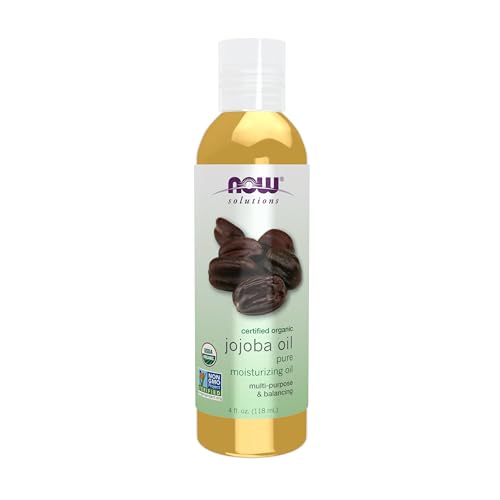
NOW Solutions Organic Jojoba Oil (4 fl oz) - 2
 Check Price →
Best Pure Seed Oil
PURA D'OR Organic Pumpkin Seed Oil, Pure Cold-Pressed (4 oz) - 3
 Check Price →
Best Pre-Wash Oil
Briogeo Scalp Revival Rosemary Pre-Wash Oil - 4
 Check Price →
Best Finishing Serum
Moroccanoil Treatment Original (3.4 fl oz) - 5
 Check Price →
Best for DIY Blends
Handcraft Blends Organic Pumpkin Seed Oil (4 fl oz) - 6
 Check Price →
Best Drugstore Serum
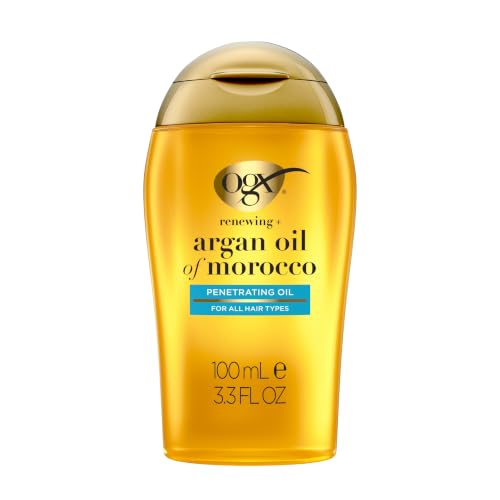
OGX Renewing + Argan Oil of Morocco Penetrating Hair Oil (3.3 fl oz)
The Short Version
- Low porosity hair does best with light oils such as jojoba, argan and grapeseed. Heavy castor oil, shea and thick butters tend to sit on top and build up.
- NOW Solutions Organic Jojoba Oil is our best overall pick: a pure, light, inexpensive oil that suits the scalp, the lengths and DIY blends.
- Moroccanoil Treatment and OGX Argan Oil are silicone-based serums with argan oil, not pure oils. They are good for frizz and shine, but clarify regularly.
- Apply oil to damp hair after a water-based leave-in, use a few drops, and add gentle warmth, such as a warm towel or shower cap, for pre-wash treatments.
- The float test is unreliable. Watch how water beads on your hair, how long it takes to dry and whether products sit on the surface instead.
On This Page · 12 sections
The best oils for low porosity hair are light ones, such as jojoba, argan, grapeseed and other thin seed oils, applied in small amounts to damp hair rather than poured onto dry strands. Our top pick is NOW Solutions Organic Jojoba Oil, a single-ingredient, inexpensive bottle that spreads easily and washes out without a fight. Heavy oils and butters like castor oil and shea are not banned, but on hair that already struggles to absorb anything, they are the products most likely to leave you with a coated, greasy feel and limp curls.
Low porosity simply means the outer layer of the hair, the cuticle, lies flat and tight. That is not a defect; it often means the hair is relatively undamaged. But it changes how products behave. Water beads up before it soaks in, conditioners seem to sit on top, and anything rich builds up quickly. Choosing the right oil, and putting it on at the right moment, is most of the battle.
We ranked the picks below on oil weight, label honesty, whether the product is a pure oil or a formulated serum, ease of washing out, value and buyer feedback. This is research-based, not a hands-on test. Two of the best-known argan products, Moroccanoil Treatment and OGX Argan Oil of Morocco, are included, but we say plainly what they are: silicone serums with argan oil added, not pure argan oil. They can still be useful, as long as you know what you are buying. None of these products will make hair grow; for thinning, see our hair growth guides instead.
What Low Porosity Hair Is and Why Oils Sit on Top
Porosity describes how easily hair takes in and lets go of water. Every strand is covered by a cuticle, a layer of overlapping, flattened cells that works a little like roof shingles. On low porosity hair, those cells lie flat and tight. Water and products have a harder time getting in, but once moisture is inside, it also leaves slowly. On high porosity hair, often hair that has been bleached, colored or heat-damaged, the cuticle is raised or worn, so hair soaks up water quickly and loses it just as fast.
Low porosity is often the porosity of healthy, unprocessed hair, and it can occur with any texture, from straight and fine to tightly coiled. Genetics plays a part, and so does the overall condition of the cuticle. Hair can also have different porosity along its length; the newer growth near the scalp is often lower porosity than older, more weathered ends.
The practical problem is that products have nowhere to go.
The practical problem is that products have nowhere to go. Rich creams, butters and heavy oils such as castor oil and shea butter tend to stay on the surface, which leaves hair feeling coated, greasy or stiff, attracts dust and makes curls hang limp. Over time, that residue piles up, and the hair can feel dry underneath it because water has an even harder time reaching the strand.
It is worth saying that hair porosity, as most people use the term, is a practical shorthand rather than a precise scientific measurement. Researchers measure hair damage and water uptake in labs with methods you cannot copy at home. The categories are still useful, because they describe a real pattern of how hair behaves, but treat them as a guide rather than a diagnosis.
How to Tell If You Have Low Porosity Hair (Skip the Float Test)
The float test is the most widely shared way to check porosity: drop a clean strand of hair into a glass of water and watch whether it floats, sinks slowly or sinks fast. Unfortunately, it is not reliable. Whether a strand floats depends on surface tension, tiny air bubbles, leftover product or oil on the hair, how thick the strand is and how long you watch. Given enough time, most hair sinks. Two strands from the same head can give different results.
Better signs come from how your hair behaves on wash day. Low porosity hair tends to resist getting wet; water beads up or runs off at first, and it takes a while in the shower before your hair feels fully saturated. Once wet, it often takes a long time to dry, sometimes most of the day if you air-dry thick hair. Products seem to sit on the surface, leaving a film, white residue or a coated feel rather than disappearing.
Unfortunately, it is not reliable.
A spray-bottle check is also helpful. Mist a section of clean, dry hair and watch: on low porosity hair, droplets tend to sit on the surface for a while before soaking in, whereas high porosity hair drinks the water almost immediately. Combine this with your history. If your hair has never been bleached or chemically processed and it builds up easily, low porosity is a likely fit.
The best evidence of all is how your hair responds to products. If light oils, thin leave-ins and gentle heat help, and heavy butters make things worse, you have your answer, whatever a glass of water says.
| Low Porosity | High Porosity | |
|---|---|---|
| Wetting in the shower | Water beads up, slow to saturate | Soaks through almost at once |
| Drying time | Slow, can take hours | Fast, sometimes feels dry quickly |
| Products | Sit on top, leave residue | Absorb quickly, need reapplying |
| Processing history | Often unprocessed | Often bleached, colored or heat-damaged |
| Heavy butters | Feel greasy and coated | Often welcome |
The 6 Best Oils for Low Porosity Hair
We favored light, single-ingredient oils that spread easily and wash out cleanly, followed by a rinse-out scalp oil and two popular argan serums that we label honestly as silicone products. None of these will grow hair; we ranked them as conditioning and finishing products for low porosity hair.
NOW Solutions Organic Jojoba Oil (4 fl oz)
Pure Jojoba Oil
Best for: Most people with low porosity hair, from fine waves to tight coils
- Type
- Organic jojoba oil (a liquid wax)
- Size
- 4 fl oz
- Weight
- Very light
- Best use
- Damp ends, scalp, DIY blends
Jojoba is technically a liquid wax rather than a true oil, and its make-up is often compared with the sebum your scalp produces naturally. In practice, that makes it one of the lightest, least greasy options you can put on hair, and it rinses out with an ordinary shampoo. NOW is a large, long-running supplement and personal care company, and its organic jojoba is a widely trusted, inexpensive bottle with a single ingredient on the label.
That combination is exactly what low porosity hair needs. A few drops warmed between your palms and smoothed over damp lengths will soften and add shine without the coated feel heavier oils leave behind. It also works as a light scalp oil before washing, and it is the most sensible base if you want to mix your own blend with a few drops of rosemary or another essential oil, since it barely changes the texture.
Skip it if your hair is low porosity but also very thick and coarse and you want a richer seal that lasts several days; jojoba may feel too light. And be realistic: jojoba conditions the hair and scalp, but there is no evidence it grows hair. If you add essential oils, keep the dilution low and patch test first.
What We Liked
- Single-ingredient, light oil that absorbs and rinses out easily
- Inexpensive 4 fl oz bottle from an established brand
- Works on scalp, lengths and as a carrier for DIY blends
What We Didn't
- May feel too light for very coarse, thick hair
- A plain oil, with none of the frizz-control extras of a serum
- No evidence it grows hair
The Bottom Line
The oil we would hand to almost anyone with low porosity hair: light, pure, cheap and easy to wash out.
PURA D'OR Organic Pumpkin Seed Oil, Pure Cold-Pressed (4 oz)
Cold-Pressed Pumpkin Seed Oil
Best for: People who want a pure seed oil with a little more body than jojoba
- Type
- Organic, cold-pressed pumpkin seed oil (per listing)
- Size
- 4 oz
- Weight
- Light to medium
- Best use
- Pre-wash scalp oil, sealing ends
Pumpkin seed oil is a seed oil in the same broad family as grapeseed and sunflower: liquid at room temperature and much thinner than castor oil or shea butter. PURA D'OR sells it as organic and cold-pressed, and the brand has a long track record with hair care on Amazon. For low porosity hair, it sits in a useful middle ground: light enough to spread and absorb, with a bit more slip and staying power than jojoba.
It works well as a pre-wash treatment. Massage a small amount into the scalp and through damp lengths, cover with a shower cap, add some warmth, and shampoo after 20 to 30 minutes. It can also seal the ends after a water-based leave-in. Cold-pressed pumpkin seed oil is usually dark green to brown with a nutty smell, so expect color and scent rather than a clear, odorless oil.
You may see pumpkin seed oil promoted for hair loss. The research behind that is one small trial that gave men oral pumpkin seed oil capsules, not oil rubbed into the scalp, and it has not been confirmed by larger studies. Buy this as a conditioning oil. Skip it if you have very light blonde or white hair and worry about tint, and test on a hidden section first.
What We Liked
- Pure, organic, cold-pressed seed oil (per listing)
- Light enough for low porosity hair with a bit more slip than jojoba
- Established hair care brand
What We Didn't
- Dark color and nutty scent are not for everyone
- Hair-growth claims around pumpkin seed oil outrun the evidence
- Can still weigh down very fine hair if overused
The Bottom Line
A good second oil to try if jojoba feels too thin: pure, light-to-medium, and best used before washing.
Briogeo Scalp Revival Rosemary Pre-Wash Oil
Rosemary Pre-Wash Scalp Oil
Best for: Low porosity hair that builds up easily and a scalp that feels dry or tight
- Type
- Formulated rosemary scalp oil
- Format
- Pre-wash, rinse-out treatment
- Weight
- Light; washed out after use
- Best use
- Scalp massage before shampoo
Briogeo's Scalp Revival Rosemary Pre-Wash Oil is designed to be massaged into a dry scalp, left on for a while and then shampooed out. That format suits low porosity hair particularly well. The biggest complaint with oils on this hair type is that they never seem to leave, and a product built to be washed away gives you the comfort of an oil treatment without the residue that weighs roots down for days.
It is a formulated blend rather than a single pure oil, and Briogeo positions it as a moisturizing scalp treatment first. Apply it to the scalp, cover your hair with a cap, and let the warmth of your head do some of the work before you shampoo. It also pairs naturally with a clarifying or gentle shampoo, which low porosity hair needs anyway to keep buildup in check.
Rosemary oil has one small trial comparing it with 2% minoxidil, but that study used a different preparation, and there is no published trial of this formula for hair growth. Treat it as scalp care. Skip it if you are on a budget, since you pay a prestige price, or if you are sensitive to essential oils.
What We Liked
- Rinse-out format avoids the buildup low porosity hair is prone to
- Comfortable scalp treatment from an established prestige brand
- Easy to fit into a weekly wash routine
What We Didn't
- Premium price for a pre-wash step
- Not a pure oil; rosemary strength not stated in the title
- Essential oils may irritate sensitive skin
The Bottom Line
The best pick if you want oil on your scalp without oil left in your hair. Use it before washing, not as a leave-in.
Moroccanoil Treatment Original (3.4 fl oz)
Silicone Serum With Argan Oil
Best for: Smoothing frizz and adding shine on medium to thick low porosity hair
- Type
- Silicone-based serum with argan oil
- Size
- 3.4 fl oz
- Pure oil?
- No
- Best use
- Damp ends before drying, flyaways
Moroccanoil Treatment is the product that made hair oils mainstream, and it is often what people mean when they say argan oil. Be clear about what it is, though: it is a silicone-based serum with argan oil added, not pure argan oil. In its published ingredient list, silicones appear ahead of argan oil, and the silicones do most of the smoothing, slip and shine. That is not a criticism. Silicones are very good at controlling frizz and protecting against friction, which is why the product works.
For low porosity hair, the main thing to know is that the lighter, volatile silicones in serums like this partly evaporate, while heavier ones can build up over time, especially if you only ever use gentle, sulfate-free cleansers. Use a pea-sized amount or less on damp ends before blow-drying, or a drop on dry hair to tame flyaways, and use a clarifying shampoo every few weeks.
Skip it if your hair is fine, if you follow a silicone-free routine, or if you specifically want a pure oil to seal moisture; jojoba or argan oil from a single-ingredient bottle is the honest choice there. The fragrance is strong and distinctive, which some people love and others cannot stand.
What We Liked
- Excellent slip, shine and frizz control
- A little goes a long way in the 3.4 fl oz bottle
- Works well before blow-drying
What We Didn't
- Silicone serum, not pure argan oil
- Can build up on low porosity hair without regular clarifying
- Premium price and a strong fragrance
The Bottom Line
A very good frizz-and-shine finisher, as long as you buy it as a silicone serum and clarify regularly.
Handcraft Blends Organic Pumpkin Seed Oil (4 fl oz)
Organic Pumpkin Seed Oil
Best for: People who like to mix their own pre-wash or scalp oil blends
- Type
- Organic pumpkin seed oil
- Size
- 4 fl oz
- Weight
- Light to medium
- Best use
- Base oil for custom blends
Handcraft Blends is one of the better-known carrier and essential oil brands on Amazon, and its organic pumpkin seed oil is a straightforward alternative to the PURA D'OR bottle above. If you already buy jojoba, argan or essential oils from the same brand, it is an easy way to build a light custom blend for pre-wash treatments, for example a mix of jojoba and pumpkin seed oil with a few drops of an essential oil.
Used on its own, it behaves like other light-to-medium seed oils: it spreads well on damp hair, softens the ends and washes out with one shampoo if you do not overdo the amount. As with any oil on low porosity hair, start with a few drops and add more only if your hair still feels dry once it has dried.
We rank it below PURA D'OR mainly because the two are so similar and PURA D'OR has a longer hair-care track record. Check the label and color on arrival, since a cold-pressed pumpkin seed oil should be dark and nutty. Skip it if you want a ready-made product rather than a single ingredient, and do not buy it for hair growth, which no topical pumpkin seed oil has been shown to deliver.
What We Liked
- Organic pumpkin seed oil from an established oil brand
- Good base for custom pre-wash blends
- Light enough for low porosity hair in small amounts
What We Didn't
- Very similar to our higher-ranked pumpkin seed pick
- Dark color and scent
- No evidence it grows hair
The Bottom Line
A solid pure seed oil for DIY blends, best for people who already use the brand's carrier oils.
OGX Renewing + Argan Oil of Morocco Penetrating Hair Oil (3.3 fl oz)
Silicone Serum With Argan Oil
Best for: Budget frizz control on medium to thick hair
- Type
- Silicone-based serum with argan oil
- Size
- 3.3 fl oz
- Pure oil?
- No
- Best use
- Frizz and shine on damp or dry ends
OGX's Argan Oil of Morocco Penetrating Oil is the drugstore way to get a Moroccanoil-style finish. The listing advertises 24-hour frizz control and repaired split ends, but read those as marketing: frizz control is a brand claim rather than a standard measure, and no product can repair a split end; only a trim removes one. Like Moroccanoil, this is a silicone-based serum with argan oil in it, not a pure oil, and silicones sit near the top of its published ingredient list.
Despite the word penetrating in the name, a silicone serum mainly works on the surface of the hair, smoothing and coating it. That makes it good for frizz and shine, but it does not help low porosity hair take in moisture, and it can add to buildup. Use one or two drops on damp ends before styling, or less on dry hair, and clarify every few weeks.
It ranks last because it is the least suited to the goal of this page, which is choosing an oil that absorbs into low porosity hair. It is still a reasonable budget finisher. Skip it if your hair is fine, if you avoid silicones or fragrance, or if you want a pure argan oil.
What We Liked
- Inexpensive and easy to find
- Good frizz control and shine for the price
- Small amounts go a long way
What We Didn't
- Silicone serum, not pure argan oil
- Name and claims oversell what it does
- Strong fragrance; can feel greasy on fine hair
The Bottom Line
A cheap, effective frizz finisher. Just do not mistake it for a pure argan oil or a moisture treatment.
The Best Oil for Low Porosity Hair: Light vs. Heavy Oils
Plant oils differ in thickness and in their mix of fatty acids, and those differences show up on low porosity hair. Light oils are thin and liquid at room temperature, spread with a few drops and tend to absorb or rinse away more easily. Heavy oils are thick, slow-moving and good at forming a seal, which is exactly why they tend to sit on low porosity hair.
Jojoba, argan and grapeseed oil are the usual first choices. Jojoba is a liquid wax that feels almost dry once it settles. Argan oil is light to medium and leaves a soft shine; just be sure you are buying pure argan oil if that is what you want, because many argan-branded serums are mostly silicone. Grapeseed oil is one of the thinnest common oils and is often used in light homemade blends. Sweet almond, apricot kernel and pumpkin seed oil sit slightly heavier but are still manageable in small amounts.
Jojoba, argan and grapeseed oil are the usual first choices.
Coconut oil is a special case. Laboratory research suggests it can penetrate the hair shaft and reduce protein loss when used before washing, which sounds ideal. Yet many people with low porosity hair report that it leaves their hair stiff, crunchy or coated, and it is solid in a cool room. If you want to try it, use it as a pre-wash treatment with warmth and shampoo it out, rather than leaving it in.
Castor oil, olive oil and butters such as shea and mango are best kept for the very ends, used sparingly, or saved for occasional pre-wash treatments. They are not harmful, and some people with thick low porosity hair like them, but they are the most common cause of the greasy, weighed-down look this hair type is known for.
| Weight | Best Use on Low Porosity Hair | |
|---|---|---|
| Jojoba oil | Very light | Damp ends, scalp, DIY base |
| Grapeseed oil | Very light | Light sealing, blends |
| Argan oil (pure) | Light to medium | Shine and softness on ends |
| Pumpkin seed oil | Light to medium | Pre-wash, sealing ends |
| Coconut oil | Medium; solid when cool | Pre-wash only, then shampoo |
| Castor oil, shea butter | Heavy | Tiny amounts on ends, if at all |
How to Apply Oil to Low Porosity Hair: Damp Hair, Warmth, Fewer Drops
Oils do not add moisture by themselves. Water is the moisture; oil slows down how fast it evaporates and makes the surface smoother. That is why the single most useful habit is applying oil to damp hair, ideally after a light, water-based leave-in conditioner, instead of to dry hair. On dry low porosity hair, oil mostly coats the outside and stays there.
Use less than you think. For most lengths, two to four drops warmed between your palms is enough, smoothed over the mid-lengths and ends. Press it in with flat hands rather than raking it through, and add more only once your hair has dried and still feels rough. If your roots look greasy by the next day, you used too much or put it too close to the scalp.
Oils do not add moisture by themselves.
Gentle warmth helps for deeper treatments. Many people with low porosity hair find that a little heat, from a warm damp towel, a plastic shower cap that traps body heat, a heat cap or a hooded dryer on a low setting, helps oils and deep conditioners work in rather than sitting on top. The idea is gentle warmth, not high heat; you should never feel discomfort on your scalp. Steam in a hot shower does a similar job.
For a pre-wash oil treatment, apply oil to dry or slightly damp hair and scalp, cover with a cap, add warmth for 20 to 30 minutes, then shampoo. Doing it before washing means the oil softens and protects the hair during cleansing and any leftover residue goes down the drain, which suits buildup-prone hair far better than leaving oil in all week.
Choosing the Best Deep Conditioner for Low Porosity Hair
Oil is only one part of a low porosity routine, and for most people it is not the most important part. A good deep conditioner, used regularly, does more to soften dry low porosity hair, because it delivers water-loving ingredients and conditioning agents that oil cannot. The trick is choosing one that does not behave like a heavy butter.
Look for lighter, creamy masks rather than thick, buttery ones, and for humectants such as glycerin, aloe or honey high on the label, which help draw water into the hair. Formulas described as lightweight or for fine hair often suit low porosity hair well, whatever your texture. Masks packed with shea butter, castor oil and heavy oils at the top of the ingredient list are more likely to sit on the surface.
Technique matters as much as the product.
Technique matters as much as the product. Start with clean hair; a clarifying shampoo every few weeks removes the buildup that blocks conditioner from reaching the strand. Apply the deep conditioner to soaking wet hair, cover with a cap and use gentle warmth for 15 to 30 minutes, then rinse. Without warmth, many low porosity heads find a mask simply sits there.
Protein is a common question. Hair that is unprocessed and low porosity often does not need frequent protein treatments, and some people find heavy protein makes their hair feel stiff. That is not a hard rule, and hair that breaks easily may benefit. Our guide to the best hair treatment for damaged hair covers masks and bond builders in more detail.
Best Natural Oils for Natural Hair, Including Low Porosity Coils
Natural hair, meaning curly, coily and kinky hair that is not chemically straightened, is often assumed to need heavy oils and butters. Plenty of natural hair is high porosity and does well with them, but a lot of natural hair is low porosity, especially when it has never been colored or relaxed. For those coils, the same light-oil logic applies: jojoba, argan and grapeseed first, with heavier oils used sparingly.
The popular LOC and LCO methods, which layer a liquid or leave-in, an oil and a cream in different orders, can work for low porosity natural hair if the layers stay light. Many people find a water-based leave-in followed by a few drops of light oil, or a light cream and no oil at all, gives softer, more defined coils than the full three-step stack with heavy products.
The point is not that heavy oils are bad, but that they need to match your hair.
If your natural hair is high porosity, thicker oils such as castor or olive oil and butters like shea can be exactly right, because they slow down rapid moisture loss. The point is not that heavy oils are bad, but that they need to match your hair. Our guide to the best hair products for 4c hair and our Black hair care guide go deeper on routines for tighter textures.
One caution applies to every oil on this page. None of them is a hair growth treatment, whatever the marketing says. Oils can reduce breakage, which helps you keep length, but thinning edges, a widening part or sudden shedding need a different approach. Minoxidil is the only over-the-counter drug approved to regrow hair, and sudden, patchy, scarring or painful hair loss calls for a dermatologist.
Compared Side by Side
| Product | Type | Size | Pure Oil? | Best For |
|---|---|---|---|---|
| NOW Organic Jojoba Oil | Jojoba (liquid wax) | 4 fl oz | Yes | Best overall |
| PURA D'OR Pumpkin Seed Oil | Cold-pressed seed oil | 4 oz | Yes | A little more body |
| Briogeo Rosemary Pre-Wash Oil | Formulated scalp oil | See listing | No (blend) | Pre-wash scalp care |
| Moroccanoil Treatment | Silicone serum with argan | 3.4 fl oz | No | Frizz and shine |
| Handcraft Blends Pumpkin Seed Oil | Organic seed oil | 4 fl oz | Yes | DIY blends |
| OGX Argan Penetrating Oil | Silicone serum with argan | 3.3 fl oz | No | Budget frizz control |
Ready to Buy? Our Picks Again
- 1Check Price →
Best Overall
NOW Solutions Organic Jojoba Oil (4 fl oz) - 2Check Price →
Best Pure Seed Oil
PURA D'OR Organic Pumpkin Seed Oil, Pure Cold-Pressed (4 oz) - 3Check Price →
Best Pre-Wash Oil
Briogeo Scalp Revival Rosemary Pre-Wash Oil - 4Check Price →
Best Finishing Serum
Moroccanoil Treatment Original (3.4 fl oz) - 5Check Price →
Best for DIY Blends
Handcraft Blends Organic Pumpkin Seed Oil (4 fl oz) - 6Check Price →
Best Drugstore Serum
OGX Renewing + Argan Oil of Morocco Penetrating Hair Oil (3.3 fl oz)
Common Mistakes to Avoid
Putting Oil on Dry Hair and Expecting Moisture
Oil seals and smooths, but it does not add water. On dry low porosity hair, it mostly coats the outside, which can make hair feel greasy and still dry underneath. Apply oil to damp hair, ideally after a water-based leave-in, so there is moisture to hold in.
Using Heavy Butters and Castor Oil as Daily Products
Shea butter, castor oil and thick creams are the most common cause of buildup on low porosity hair. Daily layers leave curls limp, roots greasy and strands coated. Switch to jojoba, argan or grapeseed, and keep heavy products for occasional pre-wash treatments or the very ends.
Buying an Argan Serum and Thinking It Is Pure Argan Oil
Moroccanoil Treatment and OGX Argan Oil of Morocco are silicone-based serums with argan oil added. They are good at controlling frizz, but they are not pure oils and can build up. Read the ingredient list, and buy a single-ingredient argan oil if pure oil is what you want.
Never Clarifying
Low porosity hair holds on to residue from oils, silicones and conditioners, and that layer stops water and new products from getting in. A clarifying shampoo every few weeks, or whenever hair feels coated, resets the surface so your oils and deep conditioners can actually work.
Trusting the Float Test Over Your Own Hair
The float test is easily skewed by oil, product residue, air bubbles and timing. Do not choose products based on one strand in a glass. Watch how your hair wets, how long it takes to dry and how it reacts to light versus heavy products, and adjust from there.
Frequently Asked Questions
What are the best oils for low porosity hair?
Light oils work best: jojoba, argan and grapeseed are the usual first choices, with pumpkin seed, sweet almond and apricot kernel slightly heavier but still manageable. Our top pick is NOW Solutions Organic Jojoba Oil. Heavy castor oil, shea butter and coconut oil tend to sit on top and build up.
What is the best oil for low porosity natural hair?
Jojoba oil is the safest starting point for low porosity natural hair because it is light, spreads easily and rinses out cleanly. Argan oil is another good choice. Use a few drops on damp hair after a water-based leave-in, and save heavier oils for occasional pre-wash treatments.
How can I tell if I have low porosity hair?
Skip the float test, which is unreliable. Better signs are water beading up instead of soaking in when you wet your hair, very slow drying, and products that sit on the surface or leave residue. Unprocessed hair that builds up easily is often low porosity.
Is argan oil good for low porosity hair?
Pure argan oil is light to medium and suits most low porosity hair in small amounts. Many argan products, including Moroccanoil Treatment and OGX Argan Oil, are silicone serums with argan oil added rather than pure oil. They tame frizz well but can build up, so clarify regularly.
Is coconut oil bad for low porosity hair?
Not bad, but often disappointing. Coconut oil can penetrate hair and reduce protein loss when used before washing, yet many people with low porosity hair find it leaves strands stiff or coated. If you use it, apply it as a pre-wash treatment with warmth and shampoo it out.
What is the best deep conditioner for low porosity hair?
Choose a lighter, creamy mask with humectants such as glycerin, aloe or honey, rather than one built on shea butter and heavy oils. Apply it to clean, soaking wet hair, cover with a cap and add gentle warmth for 15 to 30 minutes. Clarify first if your hair feels coated.
Do oils help low porosity hair grow?
No oil has good evidence for growing hair. Light oils can reduce breakage and dryness, which helps you keep the length you grow. For thinning, minoxidil is the only over-the-counter drug approved to regrow hair, and sudden or patchy loss needs a dermatologist.
The Bottom Line
Low porosity hair needs light oils used well, not more product. Start with NOW Solutions Organic Jojoba Oil on damp hair, try PURA D'OR pumpkin seed oil if you want a little more body, and use Briogeo's rinse-out scalp oil before washing. Moroccanoil and OGX are good frizz serums, but they are silicone products, not pure oils, so clarify regularly.
More Buyer's Guides
Hair Care
Best Conditioner for Dry Frizzy Hair
Frizz is usually dry or roughened hair reacting to humidity. The fix is rarely one miracle product; it is the right rinse-out conditioner, a weekly mask and a leave-in, plus a few habits that stop undoing the work. These are the picks worth buying for each step.
Hair Growth & Hair Loss
Best Hair Growth Oil
Oils are excellent at protecting hair from breakage and pleasant for scalp massage, but the evidence that any oil regrows hair is thin. Here is how to pick one that suits your hair, and what to expect from it.
Hair Care
Best Clarifying Shampoo
A clarifying shampoo is a reset button for hair weighed down by product, oil, minerals or pool water. Used every week or few weeks, it makes hair lighter and your other products work better. Used too often, it dries hair and fades color.
Hair Care
Best Hair Products for 4C Hair
4C hair is the most tightly coiled and the most fragile texture, and it breaks long before it stops growing. The right products are less about miracle ingredients and more about water, slip, a rich seal and gentle habits that let you keep the length you grow.
Hair Care
Best Black Hair Care Products
Type 4 and relaxed hair grows like any other hair. What holds length back is dryness and breakage. These are the leave-ins, butters, stylers and treatments that do the most to keep the length you grow.
Hair Care
Best Leave-In Conditioner
A good leave-in detangles, softens and cuts down on the breakage that makes hair look thinner than it is. The wrong one weighs fine hair flat or leaves curls thirsty. Here is how to pick by texture, and the formulas worth buying.