Our Picks at a Glance
- 1
 Check Price →
 - 2
 Check Price →
Best Ammonia-Free Permanent
Clairol Nice'n Easy Permanent Hair Dye, 5 Medium Brown (1 Pack) - 3
 Check Price →
Best Demi-Permanent
Clairol Natural Instincts Demi-Permanent Hair Dye, 5 Medium Brown (1 Pack) - 4
 Check Price →
 - 5
 Check Price →
Best Oil-Based Formula
Garnier Olia Ammonia-Free Permanent Hair Color, 6.0 Light Brown (1 Count) - 6
 Check Price →
 - 7
 Check Price →
Best Root Touch-Up
Clairol Root Touch-Up Permanent Hair Dye, 5 Medium Brown (1 Pack) - 8
 Check Price →
Best Temporary Cover-Up
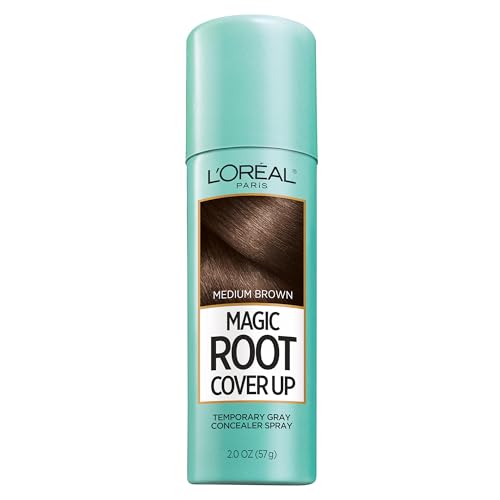
L'Oreal Paris Magic Root Gray Hair Cover Up Spray, Medium Brown (2 oz)
The Short Version
- L'Oreal Paris Excellence Creme is our best overall box dye for its thick, controllable creme, reliable gray coverage and protective serum for the ends.
- Do the skin allergy test 48 hours before every coloring, as the box instructs. Allergies to hair dye can appear after years of trouble-free use.
- PPD-free does not mean allergy-proof: many PPD-free dyes use related molecules that people with a PPD allergy often react to as well.
- If your hair is fine or fragile, a demi-permanent color or a root touch-up does far less cumulative damage than repeated full-head permanent dye.
- Hair dye does not cause pattern hair loss, but breakage and severe scalp reactions can make thinning look and feel worse.
On This Page · 12 sections
The best at-home hair color is the one that covers what you want covered, in a shade that looks like your own hair, with the least chemical stress on strands that may already be fragile. That last part matters more on this site than on most. If your hair is fine, thinning, recently shed or simply getting older, the color you choose and how often you apply it can decide whether your hair looks fuller and healthier or drier and more see-through. Box dyes from the big drugstore brands are capable of salon-quality results at home, but only when you use the right type for the job.
There is also a safety point that every buyer needs to hear before they open a box. Most permanent and demi-permanent dyes rely on oxidative dye chemistry, and the best-known ingredient in that family, para-phenylenediamine (PPD), is one of the most common causes of allergic contact dermatitis on the scalp. That is why every box tells you to do a skin allergy test 48 hours before each use, even if you have used the same product for years. We explain why that instruction exists and why so many people skip it at their cost.
We ranked the kits below on how well they cover gray, how predictable the shade results are in buyer feedback, how easy the application is for one person working alone, how gentle the formula is on dry or fragile hair, and value per application. This page is about coloring your whole head or your roots at home. If you are a man blending gray in hair or a beard, see our separate guide to the best hair dye for men, and for keeping color from fading afterward, our guide to the best shampoo for color-treated hair. Each product links to one shade of its exact Amazon listing; choose your own shade on that page.
Permanent, Demi-Permanent or Semi-Permanent: Which Do You Need?
The most important decision in home coloring is not the brand. It is the type of color. Permanent dye uses an alkaline agent, traditionally ammonia, together with hydrogen peroxide developer. The alkali opens the cuticle, the peroxide lightens some of your natural pigment, and small dye precursors react inside the hair to form larger color molecules that stay put. That is why permanent color covers gray completely and can make you a shade or two lighter, and why it grows out with a visible line rather than washing out.
Demi-permanent color uses a gentler, lower-strength developer and usually no ammonia. It deposits color without meaningfully lifting your natural shade, so it cannot make you lighter, and it fades gradually over several weeks. It blends gray rather than erasing it, which many people prefer because it avoids a harsh regrowth line. Semi-permanent color goes a step further: no developer at all, just pre-formed pigment that coats the outside of the hair and washes out over a handful of shampoos.
Each step down that ladder is easier on the hair and less committed. Permanent dye causes the most cuticle and protein damage, especially when it is pulled through the lengths every time. Demi color causes less, and semi color very little. The trade-off is coverage and longevity: if you are more than about half gray and want it gone, you will almost certainly need permanent color, at least at the roots.
The practical rule for fragile or thinning hair is to use the least permanent product that gets the result you want. Blend early gray with a demi. Use permanent color at the roots only, and refresh the lengths with a demi or gloss. Save full-head permanent color for when you genuinely need complete coverage or a lighter shade.
| Permanent | Demi-Permanent | Semi-Permanent | |
|---|---|---|---|
| Developer | Yes, stronger | Yes, milder | None |
| Can lighten | Yes, a little | No | No |
| Gray coverage | Full | Blends | Tints or stains |
| How it ends | Grows out | Fades over weeks | Washes out quickly |
| Stress on hair | Highest | Moderate | Lowest |
PPD Allergy and the 48-Hour Patch Test
Para-phenylenediamine, usually shortened to PPD, is the dye precursor behind most dark permanent shades, and it is one of the best-known causes of allergic contact dermatitis. A reaction can range from itching and redness along the hairline to a blistering, weeping scalp and, in severe cases, significant swelling of the face and eyelids. Allergies can develop after years of uneventful coloring, and people who have had a so-called black henna tattoo, which may contain PPD, can become sensitized before they ever touch a box of dye.
That is why the instructions on L'Oreal, Clairol, Garnier, Revlon and Madison Reed kits all tell you to do a skin allergy test 48 hours before every coloring, not just the first one. In the United States, hair dyes made with these coal-tar-derived ingredients must carry a caution statement telling you to do a preliminary test according to the enclosed directions, and warning that the product must never be used on eyelashes or eyebrows because doing so may cause blindness.
do a skin allergy test 48 hours before every coloring, not just the first one
The test itself is simple. Follow the method in your kit, which typically means applying a small amount of the mixed or unmixed color to a patch of skin behind the ear or inside the elbow, leaving it uncovered and undisturbed for 48 hours, and watching for itching, burning, redness or swelling. Any reaction means do not use the product. A reaction during coloring means rinse immediately, and swelling of the face or any difficulty breathing means seek urgent medical care.
Two caveats are worth knowing. A negative patch test reduces the risk but cannot rule out a reaction completely. And a product labeled PPD-free is not automatically safe for someone with a PPD allergy, because many alternatives such as toluene-2,5-diamine are chemically similar and cross-react in a large share of allergic people. If you have reacted before, talk to a dermatologist before trying another oxidative dye.
The 8 Best At-Home Hair Color Kits
These kits are ranked on gray coverage, shade accuracy in buyer feedback, ease of application, gentleness on fragile hair and value. Each links to one shade of the exact Amazon listing; pick your own shade on that page, and do the 48-hour allergy test before every use.
L'Oreal Paris Excellence Creme Permanent Hair Dye, 5 Medium Brown (1 Kit)
Permanent Creme Hair Color
Best for: Anyone covering stubborn gray at home who wants a forgiving, non-runny creme
- Type
- Permanent
- Gray coverage
- 100% gray coverage (per listing)
- Format
- Creme with protective serum and conditioner
- Patch test
- Required 48 hours before each use
L'Oreal Paris Excellence Creme is the box dye we would hand to most first-timers and most people covering a lot of gray. Its thick creme stays where you put it rather than running down your neck, which makes it far easier to saturate the roots and the hairline evenly when you are working alone in a mirror. The kit is built around what L'Oreal calls Triple Care: a protective serum for the lengths before you color, the dye itself, and a conditioner to use afterward, and the current listing adds hyaluronic acid to the formula.
The protective step is genuinely useful if your ends are drier and more porous than your roots, which is true for almost everyone with long or previously colored hair. Porous ends grab color fast and can turn darker or duller than the roots, and pre-treating them helps even things out. Buyer feedback is consistently strong on gray coverage and on how closely the shades match the box.
It is a conventional permanent dye, so it is not the gentlest option on this list. Skip it if your hair is breaking, if you only want to blend a few grays, or if you have ever reacted to hair dye. Buy it if you need dependable, full coverage at a fair price.
What We Liked
- Thick creme is easy to control and does not drip
- Reliable, full gray coverage in buyer feedback
- Protective serum helps porous ends color evenly
- Wide shade range at drugstore pricing
What We Didn't
- Conventional permanent dye, so harder on fragile hair than a demi
- Strong smell during processing
- One kit may not be enough for long, thick hair
The Bottom Line
The most forgiving permanent box dye for full gray coverage. Our first choice for most people.
Clairol Nice'n Easy Permanent Hair Dye, 5 Medium Brown (1 Pack)
Permanent Hair Color
Best for: People who want full gray coverage without the sharp ammonia smell
- Type
- Permanent
- Ammonia
- Zero ammonia (per listing)
- PPD
- PPD-free (per listing)
- Extras
- Bonding system (per listing)
Clairol Nice'n Easy is one of the longest-running box dyes in the United States, and its current listing describes a reformulated version: zero ammonia, PPD-free, 100% gray coverage and a bonding system meant to support the hair during coloring. Boxes on store shelves can lag behind a reformulation, so check the ingredient panel on what you receive if those claims matter to you.
For most buyers, the practical benefit of an ammonia-free permanent is comfort. Processing is less pungent, and many people with sensitive noses find the whole job easier. Buyer feedback praises how natural the shades look and how evenly they cover gray at the roots. The bonding claim is reasonable in principle but rests on the brand's own data, so treat it as a bonus rather than proof of healthier hair.
The important caution is about the PPD-free label. Dyes that leave out PPD usually rely on closely related molecules, and many people who are allergic to PPD react to those too. If you have ever had a reaction to hair dye, do not assume this one is safe. Patch test it exactly as the box says, every time.
What We Liked
- Ammonia-free formula is more comfortable to process
- Natural-looking shades and full gray coverage in buyer feedback
- Long track record and easy to find in every shade
What We Didn't
- PPD-free does not make it safe for people with a known dye allergy
- Bonding claims rely on brand data
- Older stock may differ from the current formula
The Bottom Line
A trusted permanent dye that is more pleasant to use. Excellent coverage, but still patch test it.
Clairol Natural Instincts Demi-Permanent Hair Dye, 5 Medium Brown (1 Pack)
Demi-Permanent Hair Color
Best for: Fine, fragile or thinning hair that needs gray blended, not erased
- Type
- Demi-permanent
- Ammonia
- Ammonia-free (per listing)
- Gray result
- Blends rather than fully covers
- Fades
- Gradually over weeks, no hard regrowth line
Clairol Natural Instincts is our pick for anyone whose hair is too fragile for repeated permanent dye. As a demi-permanent color, it deposits pigment without lifting your natural color, uses a milder developer than permanent dyes, and fades gradually over several weeks instead of leaving a sharp line of regrowth. The listing describes it as ammonia-free and vegan, with coconut oil and aloe vera in the formula.
That gentler chemistry makes it the most sensible choice for fine or thinning hair, hair recovering from a shedding episode, or anyone who wants to soften early gray without committing to a lifetime of root touch-ups. Demi color also tends to add shine, which helps thin hair look healthier.
The trade-off is coverage. A demi-permanent blends gray into your natural color rather than hiding it completely, so it suits people who are up to roughly a quarter or a third gray far better than people who are mostly white. It also cannot lighten your hair. Skip it if you want total coverage or a lighter shade. It is still an oxidative dye, so the 48-hour patch test applies.
What We Liked
- Milder chemistry than permanent dye, kinder to fragile hair
- Fades gradually with no harsh regrowth line
- Adds shine that helps fine hair look healthier
- Ammonia-free per the listing
What We Didn't
- Blends rather than fully covers gray
- Cannot lighten your natural color
- Needs reapplying more often than permanent dye
The Bottom Line
The gentlest way to color fragile hair at home. Choose it for blending, not for total coverage.
Madison Reed Radiant Hair Color Kit, 6.5NNA Medium Neutral Brown (1 Pack)
Permanent Hair Color Kit
Best for: People who want a more complete kit and a precise shade system
- Type
- Permanent
- Made without
- Ammonia, PPD, resorcinol (per brand)
- Kit
- More complete than most box dyes
- Shades
- Detailed tonal shade codes
Madison Reed sits between a drugstore box and a salon visit. Its Radiant Hair Color Kit is a permanent dye that the brand markets as made without ammonia, PPD and resorcinol, with conditioning ingredients such as keratin and argan oil. The kit is more complete than most boxes, and the shade system uses detailed codes that describe both depth and tone, which helps if you have struggled with box dye turning too warm or too ashy.
Buyer feedback is strong on gray coverage, on how natural the results look, and on how easy the kit makes the job for a first-timer. Because the shade names describe tone so specifically, it is easier to land on a color that flatters your skin and does not drift brassy as it fades.
It costs several times more per application than the drugstore brands on this list, and the ingredient exclusions do not make it hypoallergenic. Like other PPD-free permanents, it uses related dye molecules, so the brand's own instructions still call for a patch test. Skip it if budget is the priority. Buy it if precise tone and a well-designed kit are worth the premium to you.
What We Liked
- Precise shade codes make tone easier to get right
- Formulated without ammonia, PPD and resorcinol per the brand
- Complete, beginner-friendly kit
- Natural-looking results in buyer feedback
What We Didn't
- Several times the cost of drugstore box dye
- Not hypoallergenic despite its exclusions
- Shade selection can be overwhelming at first
The Bottom Line
The nicest home-coloring experience we compared. Worth it if tone matters more than price.
Garnier Olia Ammonia-Free Permanent Hair Color, 6.0 Light Brown (1 Count)
Permanent Hair Color
Best for: Dry, coarse or textured hair that feels rough after conventional dye
- Type
- Permanent
- Ammonia
- Ammonia-free (per listing)
- Base
- Oil-powered formula
- Gray coverage
- 100% gray coverage (per listing)
Garnier Olia takes a different approach from most box dyes: it uses an oil-based delivery system to carry the color into the hair, and it is ammonia-free per the listing. The result, according to buyer feedback, is hair that feels softer and less straw-like right after coloring than it does with many conventional dyes, along with a noticeable shine.
That makes Olia a good fit for hair that is naturally dry, coarse, curly or textured, where the squeaky, roughened feel after permanent color is a common complaint. Buyers also report a milder smell during processing. Garnier's sister line, Nutrisse, is a more conventional creme with a fruit-oil conditioning system and is a sensible alternative if you cannot find your shade in Olia.
The oilier texture takes a little more care to apply evenly, especially at the hairline, and shade results run slightly richer than some buyers expect. Ammonia-free does not mean the formula is free of oxidative dyes, so the patch test still applies. Skip it if your hair is very fine and gets weighed down easily.
What We Liked
- Oil-based formula leaves dry hair feeling softer
- Ammonia-free with a milder smell
- Noticeable shine after coloring
- Full gray coverage per the listing
What We Didn't
- Oilier texture is a little harder to apply evenly
- Shades can come out richer than expected
- Can feel heavy on very fine hair
The Bottom Line
The box dye for hair that feels dry and rough after coloring. Softer results, same diligence on testing.
Revlon ColorSilk Beautiful Color Permanent Hair Dye with Keratin, 30 Dark Brown
Permanent Hair Color
Best for: Budget-minded buyers with healthy hair who color often
- Type
- Permanent
- Ammonia
- Ammonia-free (per listing)
- Added
- Keratin (per listing)
- Gray coverage
- 100% gray coverage (per listing)
Revlon ColorSilk is one of the least expensive permanent dyes you can buy from a major brand, and it has a loyal following for good reason. The listing describes it as ammonia-free with keratin and full gray coverage, and buyer feedback consistently says the results look far better than the price suggests, with a glossy finish and colors that hold up well between applications.
It costs less per box than most kits on this list and a fraction of Madison Reed, which makes it practical if you color every four to six weeks or need two boxes for long hair. Revlon also sells a ColorSilk version with a bond repair complex and a demi-permanent ColorSilk line if you want a gentler option at a similar price.
The formula is thinner than a creme, so it can run and is messier to apply, especially at the hairline. Protect your skin and clothing, and work in sections. Skip it if you are a nervous first-timer who wants the most controllable product, and remember that low price does not change the allergy risk: patch test every time.
What We Liked
- One of the lowest prices from a major brand
- Glossy, long-lasting results in buyer feedback
- Ammonia-free with keratin per the listing
- Easy to buy multiple boxes for long hair
What We Didn't
- Runny formula is messier than a creme
- Less controllable for first-timers
- Fewer extras in the box
The Bottom Line
The best value in permanent box dye. Great results if you can handle a runnier formula.
Clairol Root Touch-Up Permanent Hair Dye, 5 Medium Brown (1 Pack)
Permanent Root Color
Best for: Covering regrowth between full colorings without re-dyeing the lengths
- Type
- Permanent, roots only
- Applicator
- Brush
- Use
- Gray regrowth at roots and part
- Process
- Short, roots-only application
Clairol Root Touch-Up is the most damage-conscious way to maintain permanent color. Instead of dragging dye through your whole head every month, you apply a small amount with a brush to the new growth at the roots and along the part, which is the only place it is needed. The lengths, which are older, more porous and more fragile, are spared another round of developer.
For anyone with fine or thinning hair, that difference adds up. Repeatedly overlapping permanent dye onto previously colored lengths is one of the main causes of dry, breaking ends, and root-only touch-ups avoid most of it. The brush applicator makes it easy to target a wide part or the hairline, which is where gray regrowth shows first.
It is designed for small areas of regrowth, so it is not enough for a full-head color change. Matching can be tricky if your lengths have faded, so choose the shade that matches your roots' target color rather than your faded ends. Skip it if you have more than an inch or two of regrowth. Patch testing applies here too.
What We Liked
- Spares fragile lengths from repeated coloring
- Brush applicator targets the part and hairline
- Short, simple process
- Low cost per use
What We Didn't
- Only for small areas of regrowth
- Matching faded lengths can be tricky
- Not a substitute for a full color change
The Bottom Line
The smartest way to stretch time between full colorings and protect your lengths.
L'Oreal Paris Magic Root Gray Hair Cover Up Spray, Medium Brown (2 oz)
Temporary Root Spray
Best for: Quick cover between colorings, or people who cannot use oxidative dye
- Type
- Temporary spray
- Lasts
- Until your next shampoo
- Use
- Roots, part line, hairline
- Dye chemistry
- Not an oxidative dye
L'Oreal Magic Root Cover Up is not hair dye in the chemical sense. It is a temporary pigment spray that sits on the surface of the hair and washes out when you shampoo. That makes it the right tool for two jobs: hiding gray regrowth for a few days until your next coloring, and covering roots for people who have had a reaction to permanent dye or whose hair is too fragile to color often.
It is also useful for thinning hair at the part. Lightly misting the scalp-adjacent hair with a shade close to your own can soften the contrast between hair and skin, which makes a wide part look less obvious. Buyers like how quickly it dries and how well it resists transferring once set.
It can rub off onto pillowcases, collars and hats, especially in heat or rain, and it builds up if you use a lot. It will not cover large areas convincingly. Avoid spraying it close to your eyes, and stop if your scalp itches. Skip it if you want lasting color.
What We Liked
- Instant, temporary cover that washes out
- Avoids oxidative dye chemistry entirely
- Softens hair-to-scalp contrast at a thinning part
- Fast and easy for touch-ups between colorings
What We Didn't
- Can transfer onto fabric in heat or rain
- Only suitable for small areas
- Must be reapplied after each shampoo
The Bottom Line
A useful stopgap and the best option when dye is not. Not a replacement for real color.
Can Hair Dye Cause Hair Loss? Coloring Fine or Thinning Hair
Hair dye does not cause pattern hair loss. Androgenetic alopecia is driven by genetics and hormones acting on the follicle, deep in the scalp, and dye molecules work on the hair shaft above the skin. Coloring will not make follicles shrink, and it will not stop a treatment such as minoxidil from working. What dye can do is weaken the hair you already have, and for fine or thinning hair that difference is easy to see.
Permanent dye and especially lightening open the cuticle and break down some of the hair's protein and natural lipids. Each round leaves the hair a little more porous and a little more prone to snapping, and the damage accumulates on the lengths, which are colored again and again. Breakage at mid-length looks like thinning even when the follicles are fine. The fix is to color the roots only whenever you can and keep developer off the ends.
Breakage at mid-length looks like thinning even when the follicles are fine.
The other route to more shedding is a bad scalp reaction. Significant inflammation from an allergic or irritant reaction can be followed by temporary shedding, and scratching an inflamed scalp breaks hair as well. This is another reason the patch test matters more to someone already worried about their density.
There is a small upside, too. Many people with fine hair notice that freshly colored hair feels a little thicker and holds a style better, because the slightly roughened cuticle creates more friction between strands. Choosing a shade close to your scalp tone also matters: going much darker on a light scalp increases contrast and makes a thinning part more visible, while a softer shade can make it less obvious.
How to Choose a Shade That Actually Matches
Most box dye disappointments come from shade choice, not from the formula. Start by identifying your natural level, which is the number on the box, usually from 1 for black up to 10 or higher for the lightest blondes. Look at your roots in daylight rather than bathroom light. Then choose a box at your natural level or one level lighter, because dye almost always comes out darker than the picture, especially on porous ends.
The letters or names after the number describe tone. Ash or neutral shades counteract warmth and suit people who tend to go brassy or red. Golden and warm shades add warmth and suit people whose skin looks sallow in cool colors. If you are covering a lot of gray, a natural or neutral tone usually gives the most believable result, because gray hair has no underlying pigment to balance a strongly warm or cool shade.
dye almost always comes out darker than the picture, especially on porous ends
Going more than two levels lighter at home with box dye is where results go wrong. Permanent dye can lift your natural color only a little, and the warm pigment it uncovers can leave you orange or brassy. Large changes in either direction, and any move from dark to blonde, are worth a professional consultation.
Finally, consider your scalp and your density. On thinning hair, a shade one level softer than your natural color often looks fuller because it reduces contrast against the scalp, while very dark, flat shades on light skin make every gap visible. Gray coverage at the part matters more to how full your hair looks than the color of the ends.
How to Color at Home With Less Damage
Preparation decides most of the outcome. Do the 48-hour skin test. Color hair that has not been washed for a day or so, because natural scalp oils offer a little protection from irritation. Apply a barrier cream or petroleum jelly along the hairline and ears, wear the gloves in the kit, and put on an old shirt. Read the instructions all the way through before mixing anything, because processing times differ by brand.
Section your hair into four quadrants and apply to the roots first, which is where gray is most resistant and where the heat of your scalp speeds processing. Only pull color through the lengths in the last few minutes, and only if they have faded noticeably. If you are touching up regrowth, keep the color on the new growth and do not overlap previously colored hair.
Set a timer and stick to the processing time. Leaving dye on longer does not improve coverage once the reaction is complete; it just prolongs contact with the developer and the scalp. Rinse thoroughly with lukewarm water until it runs clear, then use the conditioner in the box, which is formulated to close the cuticle after coloring.
Aftercare protects your investment and your hair. Wait at least a couple of days before shampooing, use a gentle shampoo designed for color-treated hair, and keep hot tools on a moderate setting with a heat protectant. If you use minoxidil, many dermatologists suggest pausing it for a day before and after coloring to reduce irritation, but check with your doctor and your product's directions.
Ammonia-Free, PPD-Free and Natural Claims, Honestly
Box dye marketing leans heavily on what formulas leave out. Ammonia-free is the most common claim, and it is real: many permanent dyes now use alternatives such as ethanolamine to open the cuticle. The benefit is mostly a milder smell and, for some people, a less irritating experience. Ammonia-free permanent dye is not necessarily gentler on the hair itself, because the hair still goes through an alkaline, oxidative process.
PPD-free is a more important claim for allergy-prone people, but it is easy to misread. Most PPD-free permanents use toluene-2,5-diamine or similar molecules that do the same job and, in many allergic people, cause the same reaction. These products may suit some people who react to PPD, but only a dermatologist's patch testing can tell you that. They do not replace the box's 48-hour test.
Ammonia-free permanent dye is not necessarily gentler on the hair itself
Natural, plant-based or clean color claims deserve the most skepticism. Pure henna is a genuine plant dye, but it only produces red to auburn tones and can interfere with later chemical coloring. Products that promise brown or black from plants alone often contain synthetic dyes, and so-called black henna has been linked to severe PPD reactions.
Conditioning extras such as oils, keratin, hyaluronic acid and bonding systems can make hair feel better immediately after coloring. That is worth something, but most of the evidence comes from manufacturers. Choose a kit for coverage, shade accuracy and ease of use first, and treat the extras as a bonus.
Compared Side by Side
| Product | Type | Gray Coverage | Ammonia-Free | Best For |
|---|---|---|---|---|
| L'Oreal Excellence Creme | Permanent | Full | No | Best overall |
| Clairol Nice'n Easy | Permanent | Full | Yes (per listing) | Low-odor coverage |
| Clairol Natural Instincts | Demi-permanent | Blends | Yes (per listing) | Fragile hair |
| Madison Reed Radiant | Permanent | Full | Yes (per brand) | Precise tone |
| Garnier Olia | Permanent | Full | Yes (per listing) | Dry or coarse hair |
| Revlon ColorSilk | Permanent | Full | Yes (per listing) | Lowest cost |
| Clairol Root Touch-Up | Permanent, roots | Full at roots | No | Regrowth only |
| L'Oreal Magic Root | Temporary spray | Temporary | Not a dye | Quick cover |
Ready to Buy? Our Picks Again
- 1Check Price →
- 2Check Price →
Best Ammonia-Free Permanent
Clairol Nice'n Easy Permanent Hair Dye, 5 Medium Brown (1 Pack) - 3Check Price →
Best Demi-Permanent
Clairol Natural Instincts Demi-Permanent Hair Dye, 5 Medium Brown (1 Pack) - 4Check Price →
- 5Check Price →
Best Oil-Based Formula
Garnier Olia Ammonia-Free Permanent Hair Color, 6.0 Light Brown (1 Count) - 6Check Price →
- 7Check Price →
Best Root Touch-Up
Clairol Root Touch-Up Permanent Hair Dye, 5 Medium Brown (1 Pack) - 8Check Price →
Best Temporary Cover-Up
L'Oreal Paris Magic Root Gray Hair Cover Up Spray, Medium Brown (2 oz)
Common Mistakes to Avoid
Skipping the Patch Test Because You Have Used It Before
Hair dye allergies can develop after years of trouble-free use, and formulas change. The 48-hour skin test on the box is there for every application, not just the first. A reaction on a small patch behind your ear is a nuisance; the same reaction across your scalp and face can mean a trip to urgent care.
Pulling Permanent Dye Through the Ends Every Time
Your lengths have already been colored, and each extra round of developer makes them more porous and more likely to break. Apply permanent color to the regrowth, then only refresh the lengths in the final minutes if they have faded. For fine or thinning hair, this single habit prevents most color-related breakage.
Choosing a Shade Darker Than You Need
Box dye usually comes out darker than the photo, and dark, flat color makes a thinning part or a visible scalp stand out more. Start at your natural level or one level lighter, choose a neutral tone for heavy gray, and go darker next time if you need to. It is far easier to deepen color than to lift it.
Using Box Dye on Eyebrows or Lashes
Hair dye labels warn that the product must never be used on eyebrows or eyelashes because it can cause blindness. The skin around the eye is thin and the risk of dye reaching the eye is real. Brow and lash tinting should be done with products made for that purpose, ideally by a trained professional.
Coloring an Irritated or Broken Scalp
Dye on a scalp that is sunburned, scratched, flaking from dermatitis or inflamed from another treatment is far more likely to sting and react. Wait until the skin has healed. If you use minoxidil, ask your doctor about pausing it around coloring day, and never color right after a perm or relaxer.
Frequently Asked Questions
What is the best at-home hair color?
For most people, L'Oreal Paris Excellence Creme is the best at-home hair color because its thick creme is easy to control, it covers gray reliably, and the kit includes a protective serum for porous ends. If your hair is fragile and you only need to blend gray, Clairol Natural Instincts demi-permanent is the gentler choice.
Do I really need to do a patch test every time I color my hair?
Yes. Every major box dye tells you to do a skin allergy test 48 hours before each use, because allergies to dye ingredients such as PPD can develop at any point, even after years of normal use. Formulas also change. The test takes two minutes of effort and two days of waiting.
Is PPD-free hair dye safe if I am allergic to PPD?
Not necessarily. Most PPD-free permanent dyes use closely related molecules, such as toluene-2,5-diamine, and many people allergic to PPD react to those as well. If you have had a reaction to hair dye, see a dermatologist for patch testing before trying any oxidative dye, PPD-free or not.
Can hair dye cause hair loss?
Hair dye does not cause pattern hair loss or damage follicles. It can weaken the hair shaft, especially with lightening or repeated permanent color, which leads to breakage that makes hair look thinner. A severe allergic reaction on the scalp can also be followed by temporary shedding. Coloring roots only reduces most of the risk.
Is semi-permanent or demi-permanent color less damaging?
Yes. Semi-permanent color uses no developer and coats the outside of the hair, so it causes very little damage. Demi-permanent color uses a milder developer than permanent dye and usually no ammonia. Both are gentler choices for fine or fragile hair, but they blend gray rather than fully covering it and cannot lighten.
Can I color my hair if I use minoxidil?
Generally yes. Hair dye does not stop minoxidil from working. Because both can irritate the scalp, many dermatologists suggest pausing minoxidil for about a day before and after coloring and restarting once the scalp is calm. Check your product's directions and ask your doctor if your scalp is sensitive.
Is it safe to dye my hair while pregnant?
The evidence on hair dye during pregnancy is limited but generally reassuring, because very little dye is absorbed through the scalp. Many people choose to wait until after the first trimester, use a well-ventilated room, and favor root-only or demi-permanent color to reduce exposure. Ask your doctor or midwife if you are unsure.
The Bottom Line
The best at-home hair color is the least permanent product that gives you the coverage you want. L'Oreal Paris Excellence Creme is the most forgiving full-coverage box dye, Clairol Natural Instincts is the gentlest choice for fragile hair, and Clairol Root Touch-Up keeps your lengths out of the line of fire. Whatever you buy, do the 48-hour patch test every time.
More Buyer's Guides
Hair Care
Best Shampoo for Color-Treated Hair
Every wash takes a little color with it. The right shampoo slows that down by cleaning gently and leaving the cuticle smooth, but how you wash matters as much as what you wash with. These are the color-protecting shampoos worth buying, and the routine that makes them work.
Men's Grooming
Best Hair Dye for Men
Men's hair color has split into three camps: full coverage, gray blending and gradual shampoos. The right pick depends on how much gray you want to keep, and on a skin allergy test most men skip.
Hair Care
Best Hair Treatment for Damaged Hair
Bleach, color and heat break hair from the inside; dryness and friction rough it up from the outside. The right treatment depends on which kind of damage you have. These are the bond builders and masks worth buying for each.
Hair Care
Best Purple Shampoo
Purple shampoo is simple color theory in a bottle: violet pigment cancels out yellow. The hard part is picking the right strength for your hair and using it often enough to work, but not so often that you turn lilac.
Hair Care
Best Hair Fibers for Thinning Hair
Hair fibers are the closest thing to an instant fix for thinning hair. They do not grow anything, but a well-matched fiber, applied properly and locked in place, can make scalp show-through disappear for the whole day.
Hair Care
Best Leave-In Conditioner
A good leave-in detangles, softens and cuts down on the breakage that makes hair look thinner than it is. The wrong one weighs fine hair flat or leaves curls thirsty. Here is how to pick by texture, and the formulas worth buying.